


An endangered Australian lizard species is getting help migrating south, according to Flinders University.
What's happening?
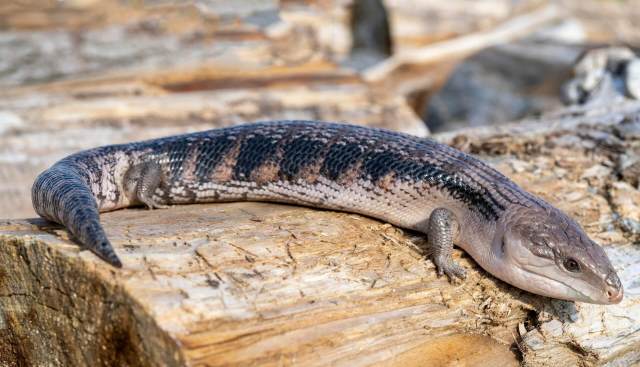
Researchers have embarked upon a five-year research mission to see how the pygmy bluetongue skink handles new territory.
They are testing three different sites that could work for the skink. By monitoring the animal's progress over time, they hope to ensure it can survive in new homes over the long term. These lessons will apply to much more than a single species, however.
"With high biodiversity loss, translocation to 'future-suitable' sites is becoming increasingly urgent for the conservation of numerous reptile species," biodiversity and ecology professor Mike Gardner said.
Why are these Australian lizards important?
The pygmy bluetongue skink is unable to survive in its native habitat because of the shifting climate. Higher heat and less rainfall have limited its access to food, requiring human intervention to help the skink find a new home.
Human-made atmospheric pollution has been contributing to increasingly destructive weather patterns, including floods and droughts. In addition, this pollution has acidified and warmed oceans as well, wreaking havoc on marine ecosystems.
TCD Picks » Quince Spotlight
💡These best-sellers from Quince deliver affordable, sustainable luxury for all




While all this is detrimental to human civilization, wildlife habitat is being battered even harder.
The Australian skink may have humans providing transportation in this instance, but the migration patterns of large mammals in Africa, songbirds in Maine, and caribou in the Arctic have been thrown into chaos. This disruption can misalign vital time windows for feeding and mating.
What's being done about the skinks?
Early results of the project have already been published. Researchers have concluded that it will take more than the two years that they have been monitoring the species for it to acclimate to a new latitude. Luckily, there is still hope for the skinks to naturalize over time.
"So far, these three populations are showing various responses to their new locations, but behavioral variations may not be detrimental in the long term and may potentially aid animals in acclimatising to changed environments to optimise their chance of survival," Gardner said.
|
Do you think America does a good job of protecting its natural beauty? Click your choice to see results and speak your mind. |
 Definitely 👍
Join our free newsletter for good news and useful tips, and don't miss this cool list of easy ways to help yourself while helping the planet.







