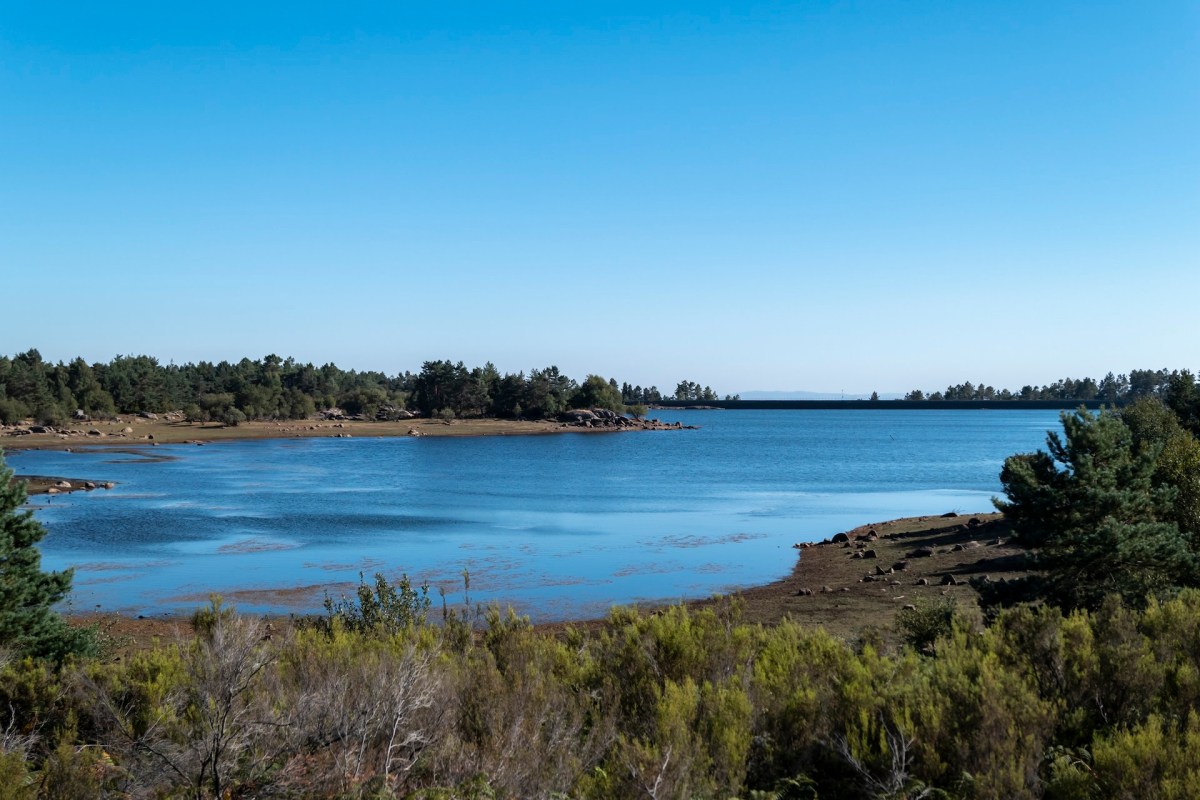
Portugal's reservoirs are on the rise after one of the wettest Novembers since 1931.
The Portugal News reported that, according to data from the National Water Resources Information System, the amount of water stored across all river basins rose from October to November, with four exceeding 80% of their total volumes.
Of the 60 monitored reservoirs, all but three had water storage levels higher than those of the average November dating all the way back to 1990. The article stated that 19 of the basins had water exceeding 80% of their total volumes, while four had less than 40%.
Per Portugal News, the Portuguese Institute for the Sea and Atmosphere said November was the third-wettest November since 2000 and the 13th-wettest since 1931.
The article referenced IPMA's monthly climatological bulletin, stating that November rain levels were "well above normal," reaching "180% of the average value" from 1991 to 2020. Some of the highest precipitation values ever recorded — 15 of them — were called new extremes, while five were considered absolute extremes.
IPMA said much of this was because of Storm Claudia, which formed in the Atlantic Ocean and brought days of heavy rain, hail, thunderstorms, and strong winds. Three deaths, multiple injuries, dozens of displacements, and a tornado with wind speeds over 136 mph were associated with the hurricane.
TCD Picks » Upway Spotlight
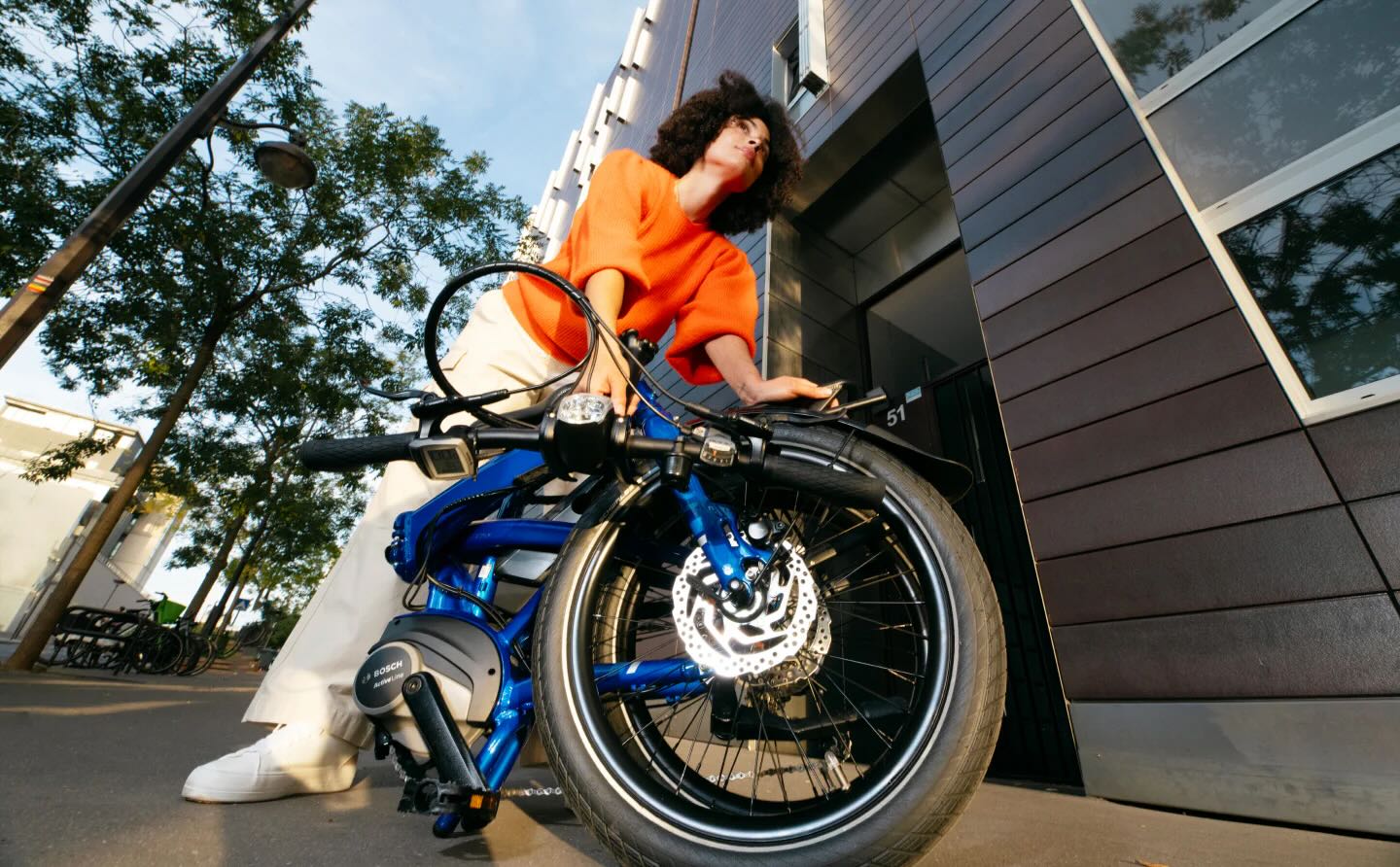
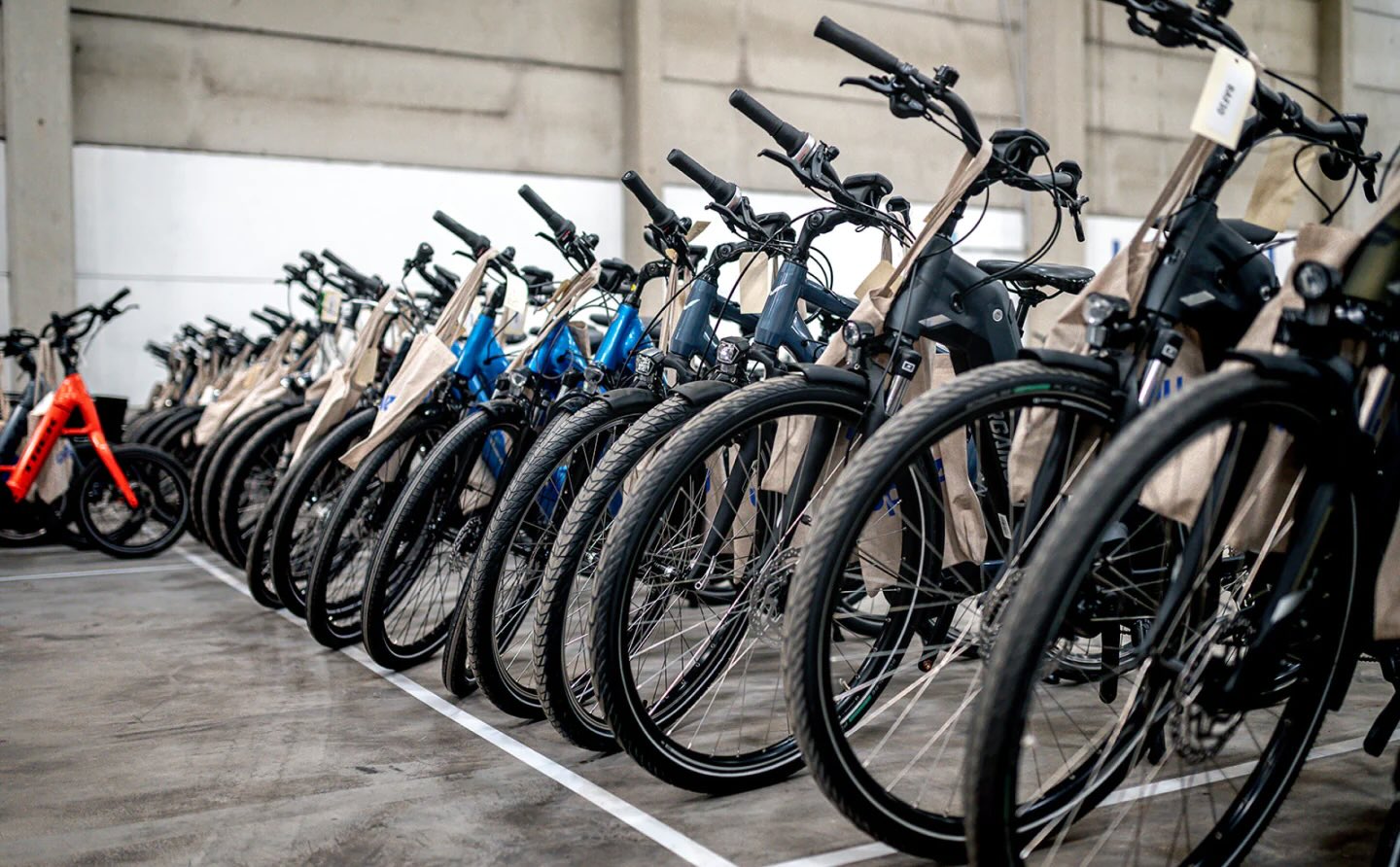
💡Upway makes it easy to find discounts of up to 60% on premium e-bike brands
While having reservoirs at full capacity is a good thing, extreme weather events and their catastrophic side effects are becoming all too common. Human activities are increasing temperatures across the globe, and the readings are only getting higher each year. These higher temperatures mean the atmosphere can hold more water, creating massive storms and floods as well as droughts.
High temperatures are essentially "steroids for weather." It is for this reason that weather reporting now includes terms such as bomb cyclones and atmospheric rivers. It's also why scientists are calling for scale expansions to accurately categorize megahurricanes and increasingly intense tornadoes.
It can be scary and overwhelming, but the good news is that there are ways to cool things down. Swapping out your makeup and skin products for ones from eco-friendly brands that avoid plastics and other toxins will contribute to cooler temperatures and elevate your routine. The same goes for your cleaning supplies. Steering clear of gas- and coal-fueled energy and transitioning to clean sources such as wind and solar are other great ways to save money and lower your carbon footprint.
|
Would you install water-collecting hydropanels on your home?
Click your choice to see results and speak your mind. |
 Definitely 👍
Get TCD's free newsletters for easy tips to save more, waste less, and make smarter choices — and earn up to $5,000 toward clean upgrades in TCD's exclusive Rewards Club.
TCD Picks » Quince Spotlight
💡These best-sellers from Quince deliver affordable, sustainable luxury for all




Cool Picks