


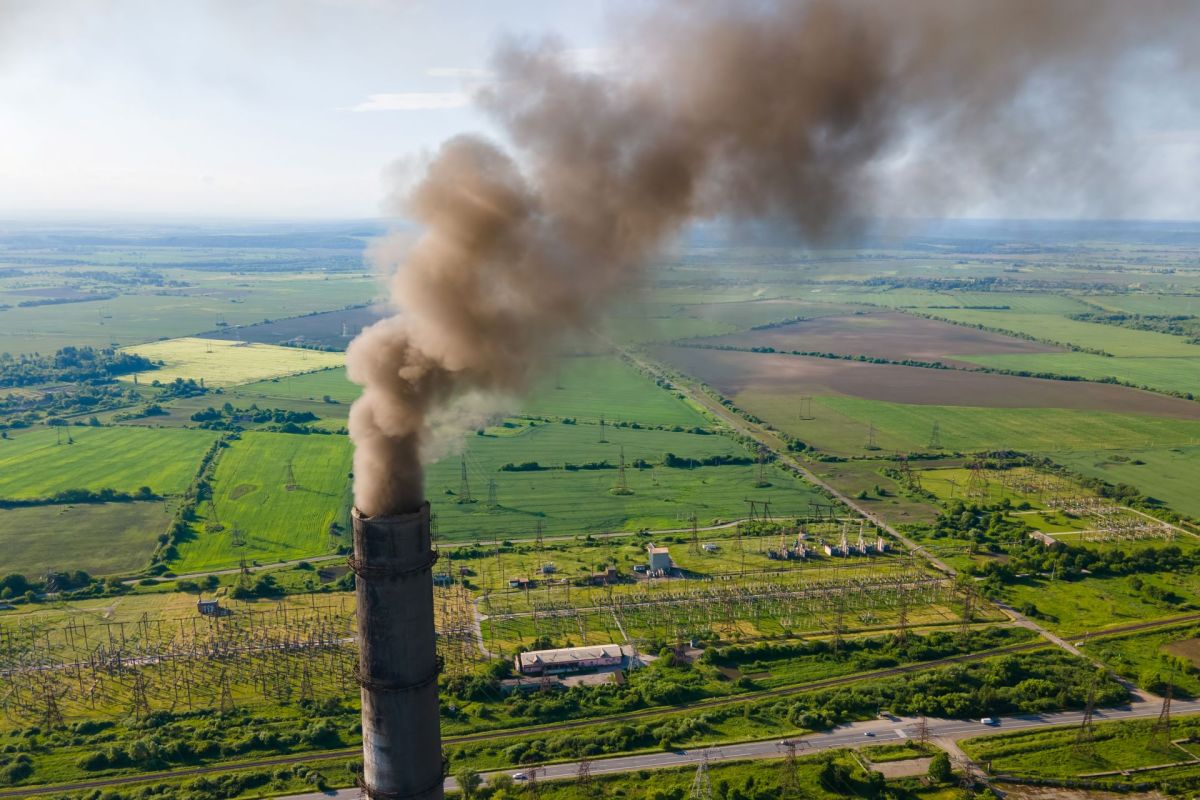
Against the backdrop of a massive annual environmental summit, The Guardian highlighted an ominous new report on global efforts to curtail rising temperatures.
What's happening?
On Nov. 10, leaders from around the world — with some notable political and journalistic abstentions — descended on Belém, Brazil, for this year's Conference of the Parties (COP30).
Participating nations gathered to assess progress on previously set environmental benchmarks and to discuss and coordinate additional efforts and new goals.
One such agreed-upon objective was the Paris Agreement.
Adopted in 2015 at COP21, it's a legally binding treaty to keep temperatures from rising by more than 2°C (3.6°F) above pre-industrial levels, ideally capping them at 1°C (2.7°F) or less by the end of the century.
The Paris Agreement entered into force on Nov. 4, 2016, and the Climate Action Tracker (CAT), an independent scientific effort to gauge its effectiveness, issued an update on global progress toward those goals.
Earth remains "on track for a catastrophic 2.6°C [3.7°F] increase" of average temperatures, the report determined, citing insufficient efforts and poor coordination between countries as factors.
In essence, the Climate Action Tracker's projections matched those of the previous year, a rate of heating that "easily breaches the thresholds" of the Paris Agreement, The Guardian noted.
Bill Hare is the CEO of Climate Analytics, one of two independent research and policy non-profits that produce the CAT, and he didn't mince words on their findings.
"A world at 2.6°C [3.7°F] means global disaster," Hare began, before describing a chain reaction of catastrophic ecological collapse. "That all means the end of agriculture in the UK and across Europe, drought and monsoon failure in Asia and Africa, lethal heat and humidity."
TCD Picks » Quince Spotlight
💡These best-sellers from Quince deliver affordable, sustainable luxury for all




|
Should the government provide incentives to buy EVs?
Click your choice to see results and speak your mind. |
 Absolutely 💯
 "This is not a good place to be. You want to stay away from that," Hare warned.
Why is this important?
Hare touched on the domino effect certain to ensue as temperatures continue to break records, including diminished crops and volatile weather effects that have already come to pass and which now occur with alarming frequency.
In particular, Hare emphasized the extreme weather caused by unchecked warming.
Hurricanes, droughts, wildfires, heavy rains, and heatwaves have always been a part of the planet's weather patterns, but extreme weather is not the same as intense weather.
As the planet continues to overheat, it triggers a self-perpetuating cycle of high heat and increased evaporation.
The resulting effect on intense weather systems is not unlike pouring fuel on a raging fire. All of this weather still occurs — but when it does, it's less predictable, more destructive, and deadlier.
What's being done about it?
According to the report, government inaction is part of the problem, and demanding change is one thing citizens can do.
Given that the American media declined to cover the summit, keeping tabs on key climate issues is critical.

💰Get TCD's free newsletters for easy tips to save more, waste less, and make smarter choices — and earn up to $5,000 toward clean upgrades in TCD's exclusive Rewards Club.
Cool Picks






