


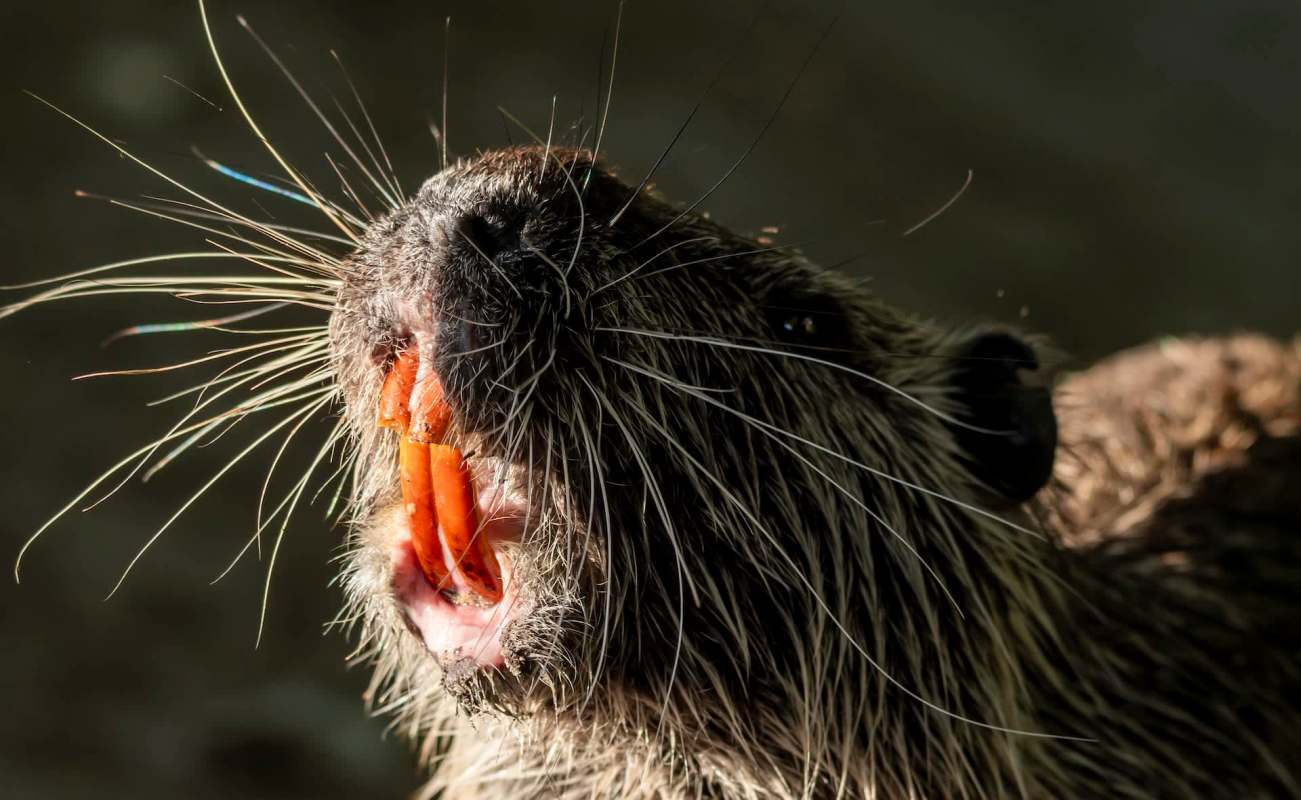
The non-native nutria has reappeared in California for the first time in more than half a century, and new research indicates that the rodent was likely intentionally reintroduced.
The nutria is a large, semi-aquatic rodent with orange teeth. The animal is native to South America and was brought to the United States in the late 1800s for the fur trade, according to the U.S. Department of Agriculture. When demand for fur waned, people released the animals into the wild.
Since their arrival, they have overrun multiple states. Populations took hold and damaged local ecosystems, eating local plants that native species rely on and harming wetland habitats and agriculture, according to the California Department of Fish and Wildlife.
They are so destructive that officials in Mississippi and even the U.S. Fish and Wildlife Service are jumping on a growing trend and encouraging residents to catch and eat the havoc-wreaking rodents.
California declared the species eradicated in the 1970s, according to People. However, a pregnant female was discovered in Merced County in 2017, raising concern anew.
According to research by CDFW scientists, the specimens discovered in 2017 are genetically linked to a population in Central Oregon. This was the first genomic study of nutria.
TCD Picks » Quince Spotlight
💡These best-sellers from Quince deliver affordable, sustainable luxury for all




"This study supports our long-held belief that the current invasion is the result of reintroduction rather than explosive growth of a remnant, undetected population," Nutria Eradication Program Manager Valerie Cook said.
To verify this, the researchers compared DNA from nutria populations worldwide, as well as historical samples, including museum specimens and even a taxidermied nutria. They compiled this data to build a database that shows how closely related populations are.
Since the species reappeared, CDFW's eradication program has removed nearly 8,000 nutria across the Golden State, an undertaking that costs around $5 million annually, according to People.
Officials use tools including motion-detection cameras and detection dogs. These methods have also aided in many other conservation efforts, such as eradicating non-native weeds along riverbanks and finding and protecting rare species, all of which help ecosystems thrive.
"While we can only speculate on the 'reasoning' behind the reintroduction of this incredibly destructive invasive species, these findings highlight the critical importance of biosecurity inspections aimed at preventing the importation and transportation of invasive plants and animals into and within California," Cook stated.

Get TCD's free newsletters for easy tips, smart advice, and a chance to earn $5,000 toward home upgrades. To see more stories like this one, change your Google preferences here.







