


Dogs have up to 300 million olfactory receptors, compared with about 5 to 6 million in humans, giving them a sense of smell that is tens of thousands of times stronger than ours.
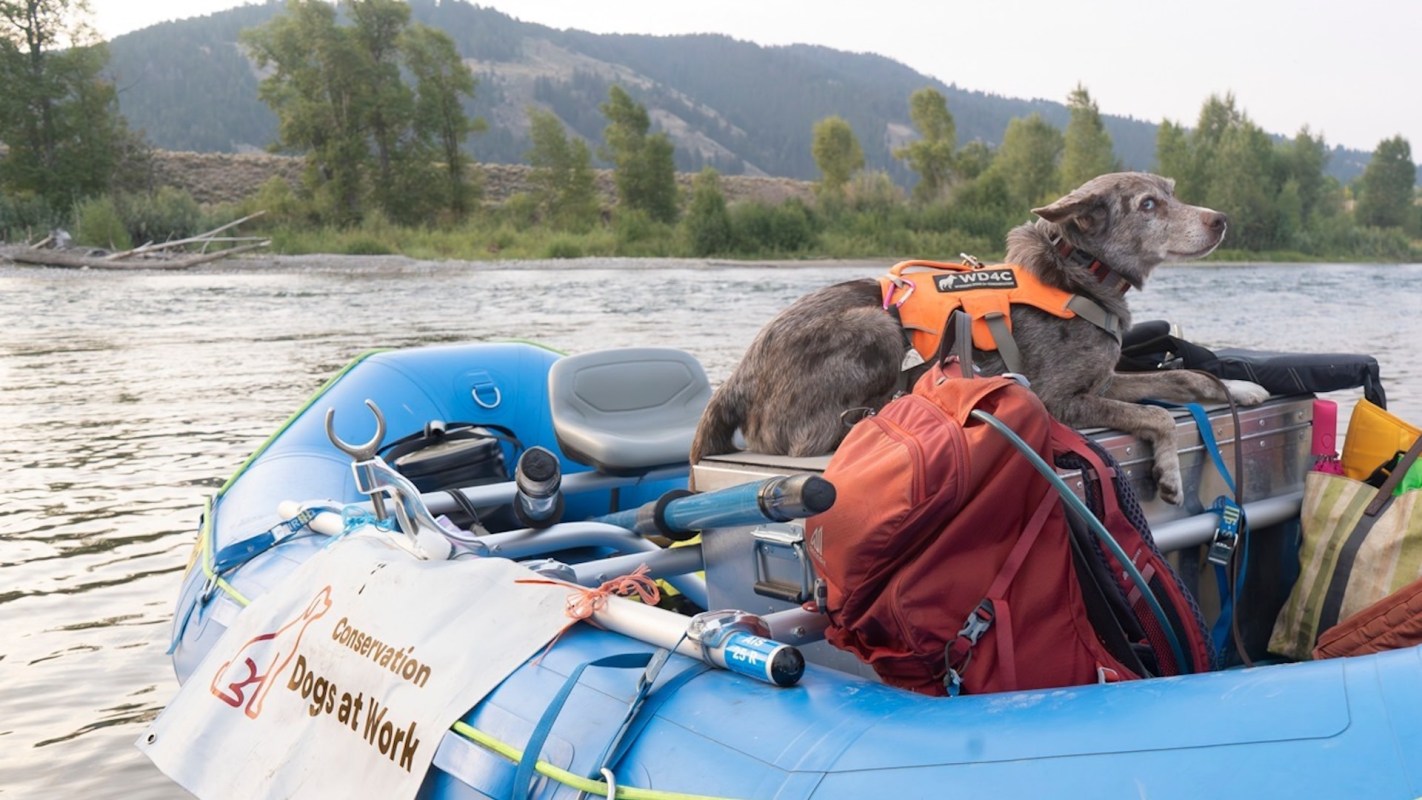
That's why, along Wyoming's Snake River corridor — from Moose to Wilson — specially trained weed-sniffing dogs are teaming up with human partners to detect invasive species in riverbank areas, according to the Jackson Hole News and Guide. This marks the sixth consecutive summer of this work, with teams patrolling exposed gravel bars by raft from August to September. The integration of trained dogs proves how canine detection can offer help in protecting native landscapes.
The dogs are trained to detect saltcedar and perennial pepperweed, which are invasive plants known for creating dense monocultures that displace native species and degrade river systems.
According to a Facebook post from Grand Teton National Park, from 2020 to 2024, dogs uncovered about 190 new infestations, nearly 75% more than human crews detected during the same period. The post says that canines are "better at" detecting invasive species than humans and celebrates their value as precise detection partners.
🐾 Sniffing out invasive species: one wet nose at a time! 🐾 In honor of National Dog Day, we're celebrating some...
Posted by Grand Teton National Park on Tuesday 26 August 2025
Research confirms the scale of their sensory advantage, but it also advises on the importance of ethical training when working with these canines in practice.
Reward-based dog training methods like positive reinforcement are more humane and often more effective and result in better learning, lower levels of anxiety in the dogs, and stronger dog-handler relationships. Meaning, dogs can be ethically integrated into environmental work to help pinpoint invasives.
TCD Picks » Quince Spotlight
💡These best-sellers from Quince deliver affordable, sustainable luxury for all




And we need help, as the global threat of invasive species is ongoing.
A four-year assessment by the Intergovernmental Science-Policy Platform on Biodiversity and Ecosystem Services found they cause at least $423 billion in annual economic damage and are linked to 60% of recorded extinctions worldwide. In the U.S. specifically, the USGS estimates invasive species cost the country over $120 billion each year, so each detection along the Snake River is one step towards limiting this kind of harm.
Jackson Hole Weed Management Association and Teton County Weed & Pest continue to oversee the Snake River Project alongside Working Dogs for Conservation. "It's really wonderful to watch these dogs," said Lesley Beckworth, outreach coordinator with Teton County Weed and Pest, in the JH News and Guide report.
The dogs will continue to return each summer as new infestations are found. If you're interested in getting involved in the effort to reduce invasive species, taking local action can make a difference in your communities.
|
Do you think America does a good job of protecting its natural beauty? Click your choice to see results and speak your mind. |
 Definitely 👍
Join our free newsletter for good news and useful tips, and don't miss this cool list of easy ways to help yourself while helping the planet.







