


Deep in the Powrunna State Forest in Southwest Queensland, three wombat joeys are thriving where their species once nearly disappeared. Trail cameras captured the tiny marsupials tucked safely in their mothers' pouches, the Australian Broadcasting Corp. reported, marking the first wild births at the reserve.
Once common across Eastern Australia, northern hairy-nosed wombats were nearly extinct by the 1980s, with only 35 individuals remaining in Queensland because of habitat loss and invasive species. Conservationists over the past decades have slowly rebuilt their numbers, with roughly 400 now living in Epping Forest National Park in Central Queensland and about 20 at the Richard Underwood Nature Reserve near Surat.
The Queensland Department of the Environment, Tourism, Science, and Innovation began relocating wombats to the 2,800-hectare Powrunna site in May 2024. The joeys have yet to be seen directly.
"Everyone that's been involved in the project is just really over the moon to hear this news," department regional director Rachel Chesher said. "To see that they've actually bred there, it shows they're settling in."
Since June, 11 wombats have joined the Powrunna site, adding to the 25 that were previously relocated there. Setting up the site took careful planning, with fencing and water stations put in place to make sure the wombats were safe. "To have some born on site within that turnaround is really another mark of how successful the project's been," Chesher told ABC News.
The long-term goal is to establish three self-sustaining northern hairy-nosed wombat colonies in Queensland. Wombat Foundation ambassador Leanne Brosnan said spreading the population across different locations is key. "It's all about having thriving populations across their former range," she said. "That creates sustainability, genetic diversity, and safety because you've spread your eggs over different baskets. That's what will really mean they've come back from the brink."
The species' comeback has even sparked a campaign to make the northern hairy-nosed wombat a mascot for the Brisbane Olympics in 2032, according to ABC News. "Many people don't know they exist. They're very surprised to hear there's a Queensland wombat," Brosnan said, noting that the global spotlight could help raise awareness and support.
The joeys are expected to stay in their mothers' pouches for about 10 months. When they emerge, the wombats will play a key role in rebuilding their species and expanding its presence in the wild.
Perk up the winter blues with natural, hemp-derived gummies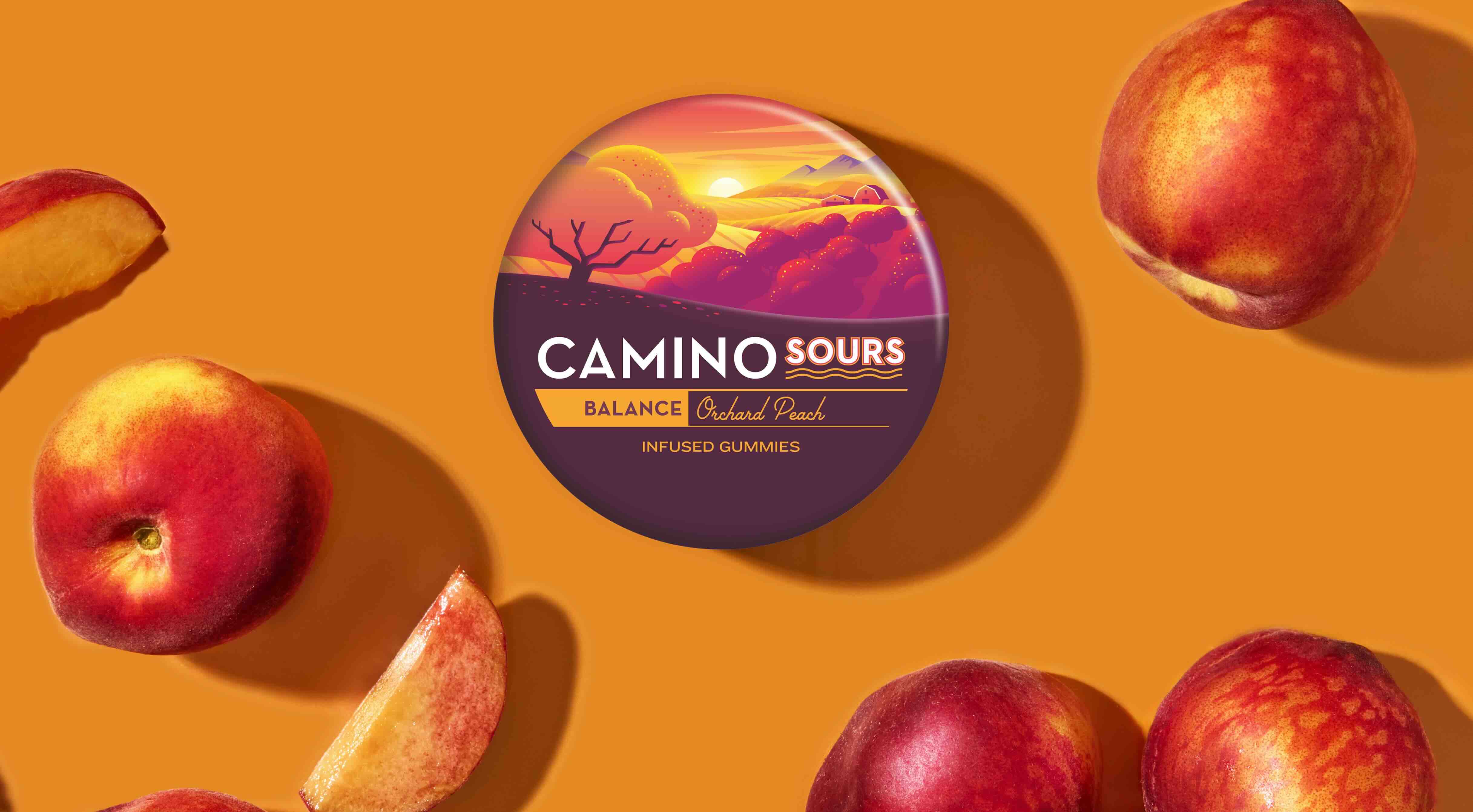 Camino's hemp-derived gummies naturally support balance and recovery without disrupting your routine, so you can enjoy reliable, consistent dosing without guesswork or habit-forming ingredients. Flavors like sparkling pear for social events and tropical-burst for recovery deliver a sophisticated, elevated taste experience — and orchard peach for balance offers everyday support for managing stress while staying clear-headed and elevated.
Learn more → |

|
Do you think America does a good job of protecting its natural beauty? Click your choice to see results and speak your mind. |
 Definitely 👍
💰Get TCD's free newsletters for easy tips to save more, waste less, and make smarter choices — and earn up to $5,000 toward clean upgrades in TCD's exclusive Rewards Club.
Cool Picks






