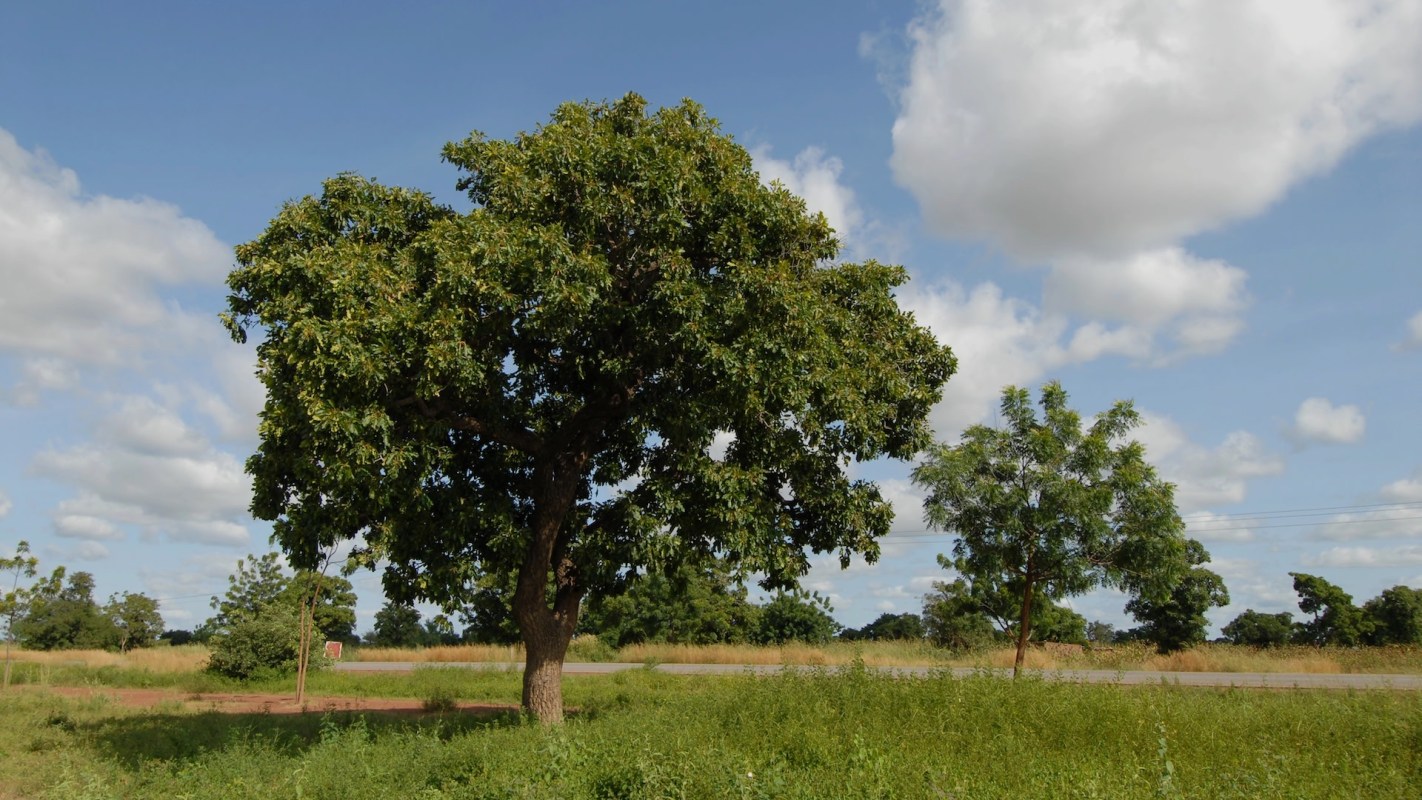
A key Nigerian crop is under threat from illegal burning, according to the Daily Trust.
What's happening?
Nigeria is the world's largest source of shea butter, a popular skincare product. The country generates $15 million annually from shea exports, but those returns are under threat from illegal burning for charcoal.
"While research has reduced the gestation period of shea trees from 25 years to between five and seven years, making them attractive for commercial planting, the ongoing destruction of these trees threatens not only the crop but also the incomes of thousands of rural households," said agronomist Olabisi Fatimah Adekola, per the Daily Trust.
She went on to say that shea trees are flowering less often due to environmental stressors, going from three times each year to once. Nearby Ghana has seen a steady drop in shea yields.
In an attempt to improve the economics of the industry, Nigerian president Bola Tinubu recently imposed a six-month ban on raw shea nut exports. The hope is that the local industry could increase the output of value-added shea butter. A production facility is planned for the Kwara region, which will produce 50,000 tonnes (just over 55,000 tons) of shea butter annually.
Why are shea trees important?
Commercial plantations provide many of the benefits of natural forests, with the added bonus of economic payoff. Mature trees sequester carbon and purify air, and their deep root systems mitigate flood conditions and prevent soil erosion. Transpiration and shade from the trees also reduce heat island effects.
Perk up the winter blues with natural, hemp-derived gummies Camino's hemp-derived gummies naturally support balance and recovery without disrupting your routine, so you can enjoy reliable, consistent dosing without guesswork or habit-forming ingredients. Flavors like sparkling pear for social events and tropical-burst for recovery deliver a sophisticated, elevated taste experience — and orchard peach for balance offers everyday support for managing stress while staying clear-headed and elevated.
Learn more → |

That said, monocultures like commercial palm oil plantations have served to destroy many natural habitats and lower biodiversity as a result.
Burning these trees for charcoal releases the majority of carbon they're sequestering, which exacerbates the very floods and droughts that are plaguing the agricultural industry worldwide.
What's being done about shea trees?
Workshops are underway through the Haashim Initiative for Community Advancement, which aims to protect parklands, grow new shea trees, and teach farmers how to propagate them effectively.
Nigeria's government has voiced support for the shea industry and hopes these tools will ensure its ongoing productivity.
TCD Picks » Upway Spotlight
💡Upway makes it easy to find discounts of up to 60% on premium e-bike brands





"The state is prioritizing agro-industrial development while ensuring that shea cultivation benefits rural economies and preserves our natural resources," said Kwara State Commissioner for Environment and Forestry Hajia Nafisat Buge, per the Daily Trust.
|
Should the government continue to give tax incentives for energy-efficient home upgrades? Click your choice to see results and speak your mind. |
 Absolutely 💯
Join our free newsletter for good news and useful tips, and don't miss this cool list of easy ways to help yourself while helping the planet.
Cool Picks