


Even pretty plants can be invasive.
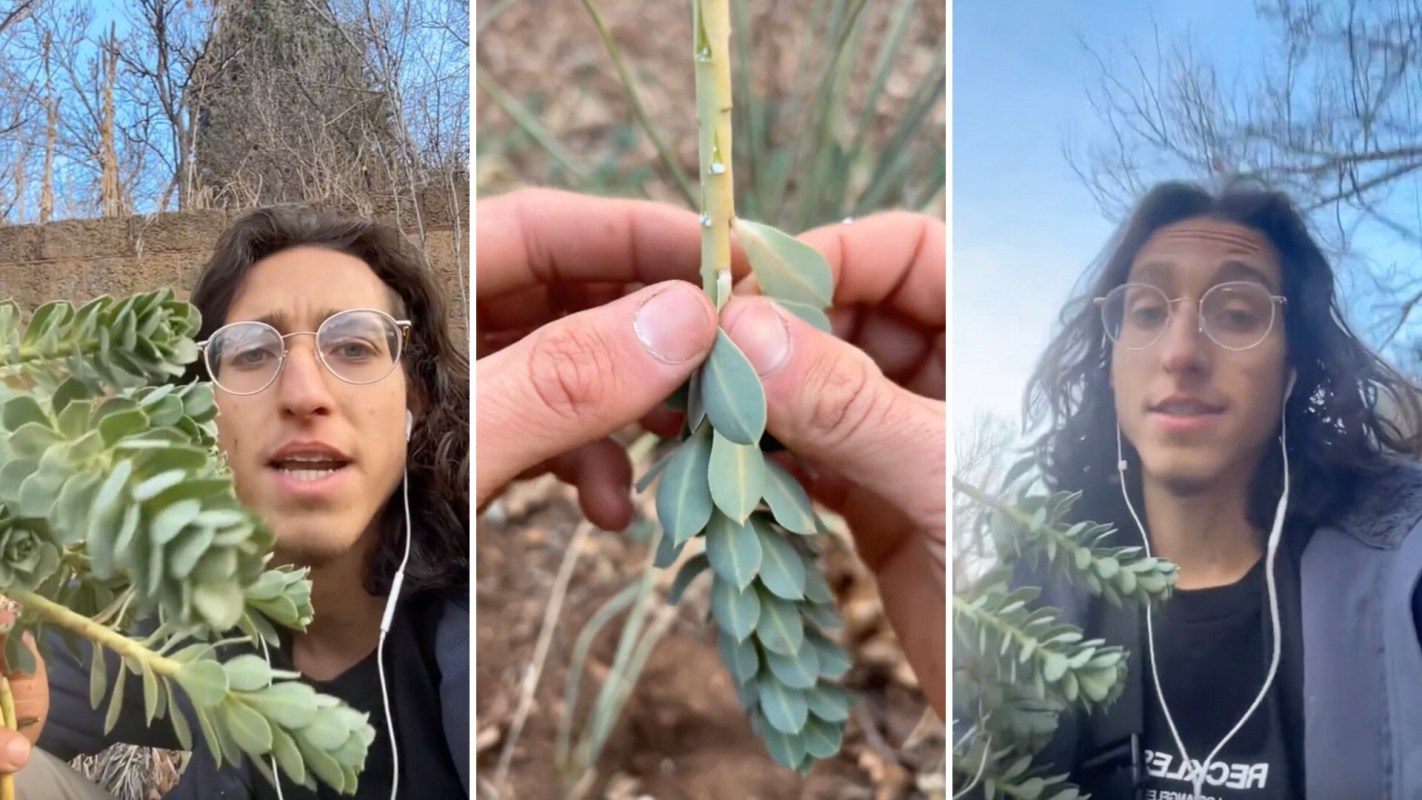
Content creator Virgil G (@youngenfearless) is spreading the word on an "obnoxious [and] noxious" invasive plant damaging ecosystems across North America: myrtle spurge.
@youngenfearless 🚫🌿 Why I pulled ALL of this Myrtle Spurge 🌿🚫 This plant might look pretty, but it's a toxic, Noxious invasive species called Myrtle spurge (Euphorbia myrsinites). 👀 How to identify it: • Blue-green, waxy leaves in a tight spiral • Thick, trailing stems • Yellow-green flowers in early spring • Milky white sap when broken (⚠️ highly irritating) (Has highest concentration of sap during spring) 🚨 Why I removed it: • Not native to North America • Spreads aggressively and outcompetes native plants • Toxic to people, pets, and wildlife • The sap can burn skin and eyes • Reduces habitat for native pollinators 🐝 🌱 I remove invasives to make room for native plants, healthier soil, and real ecosystem balance. Pretty Plants doesn't always mean beneficial. 🧤 Always wear gloves and long sleeves when removing (even though I didn't)and never compost it. Protect native land. Restore what belongs. #InvasiveSpecies #MyrtleSpurge #NativePlants #EcosystemRestoration #landstewardship ♬ Mindful force - KNAwave
"This is a low-growing, evergreen perennial native to southeastern Europe and Asia, and was first introduced to North America as an ornamental ground cover," they explained.
However, this quickly spiraled out of control. Myrtle spurge has escaped its backyard confines and invaded the wild, outcompeting native plants for resources.
Virgil went on to explain that myrtle spurge offers no value to humans. In fact, it's quite the opposite.
"It is toxic to humans and pets and livestock," Virgil said. "If you ingest a little bit of this, you might have some nausea, diarrhea, vomiting."
Plus, if you come into contact with its sap, you may experience skin rashes and swelling.
To help viewers fight back, Virgil gave a few tips on identifying the invasive plant. Its leaves are the best indicator. They're waxy and succulent-like, with a blue-green color and a pointed tip. They also grow in a spiral around the stem. While they remain green all year round, myrtle spurges do produce yellow flowers in the springtime.
So, what should you do if you encounter this plant?
"Whenever you do find some myrtle spurge here in North America, go ahead … and rip this s*** out and chuck it in the trash," Virgil said.
TCD Picks » Quince Spotlight
💡These best-sellers from Quince deliver affordable, sustainable luxury for all




|
What's the hardest thing about taking care of your yard? Click your choice to see results and speak your mind. |
 Mowing the lawn 🏡
 Given the plant's toxic properties, though, it's important to practice caution. Virgil advised viewers to wear protective gear when dealing with these plants and to wash their hands as an extra measure. Lighting the plants on fire is another no-no — the fumes are toxic to breathe in.
"Sorry not sorry, myrtle spurge!" Virgil exclaimed, uprooting the plants.
As Virgil showed in the video, myrtle spurge is relatively easy to remove. According to the Washington State Noxious Weed Control Board, small infestations can be successfully dug or pulled.
However, it takes a few years of regular weeding to eliminate myrtle spurge from the infested area. Larger infestations are tackled with chemicals as well as goat or sheep grazing.
Invasive plants like the myrtle spurge can wreak havoc on your property. Japanese knotweed, for example, is known to take over gardens and compromise building foundations. Similarly, English ivy can invade plant beds, putting your yard at risk.
To combat invasive plants and support your local ecosystem, consider planting a native lawn. Since they've evolved to live in your area's climate, native plants require less water and maintenance than monoculture lawns.
While you'll still need to be on the lookout for invasives, planting native plants remains a solid defense.
Commenters were grateful to Virgil for sharing.
"Thank you for the knowledge," one user said.
"I didn't know that," another admitted. "I have a plant… will cut it out."
Virgil responded ecstatically, "Plant native lets gooo!"

Get TCD's free newsletters for easy tips to save more, waste less, and make smarter choices — and earn up to $5,000 toward clean upgrades in TCD's exclusive Rewards Club.
Cool Picks






