


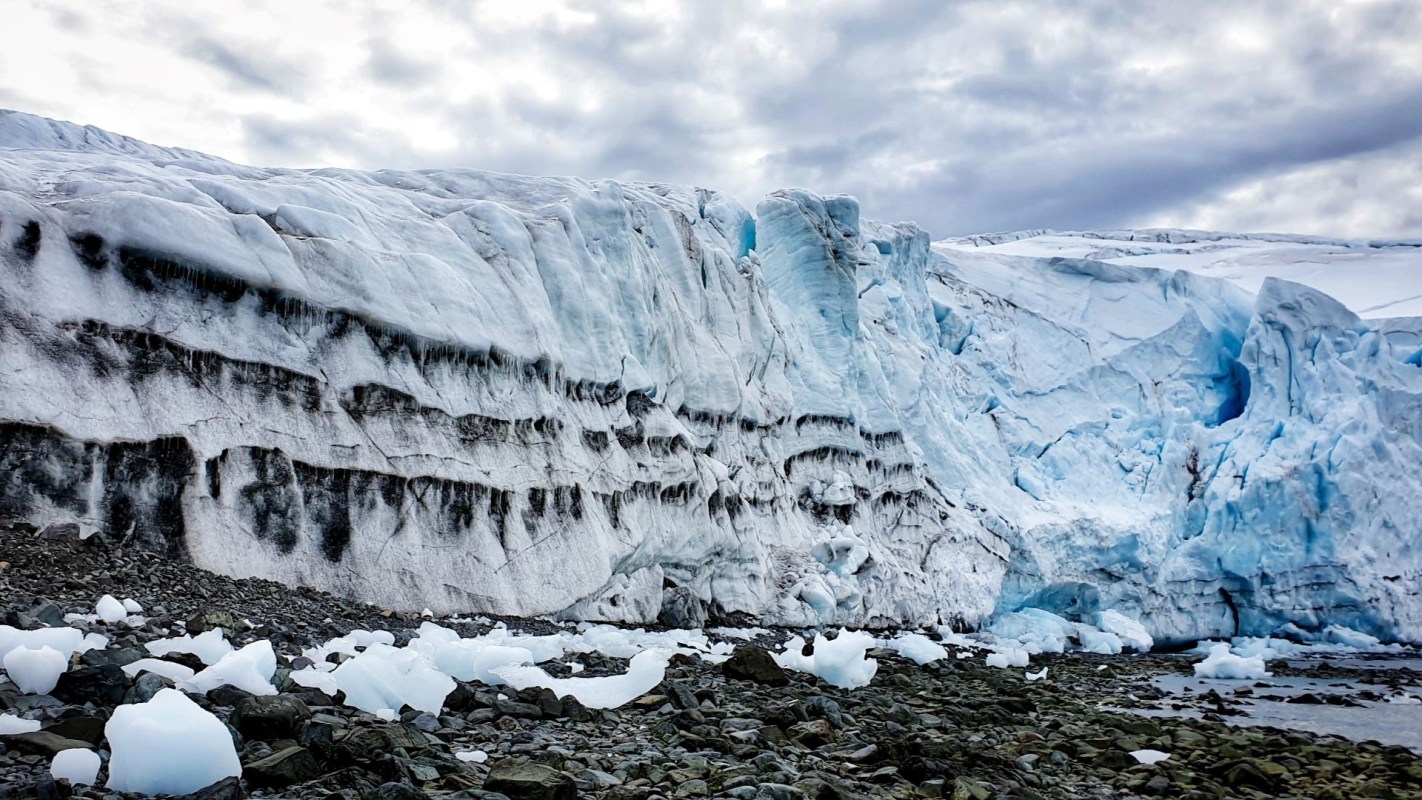
Researchers are sounding the alarm after finding antibiotic resistance genes released from melting Antarctic glaciers.
What's happening?
A study published in the journal Biocontaminant examined the effects of glacial melting on our water supply.
Glaciers serve as reservoirs for antibiotic resistance genes, or ARGs, and other microbes. When they are released from the ice, they enter our water systems, posing a major health risk to people downstream.
Millions of people get their water from glacier-fed rivers and lakes. ARGs are strands of DNA that make bacteria more resistant to drugs. When ARGs in meltwater make their way into our water supply, they become a global public health risk.
The study emphasizes the importance of viewing glaciers, rivers, and lakes as being part of a "glacier continuum." This means they are an interconnected system rather than separate environments.
Why are melting glaciers concerning?
From our gas-powered cars to overconsumption, human activity has contributed to the production of heat-trapping gases that warm the planet. Rising global temperatures have caused glaciers to rapidly melt, causing elevated sea levels and releasing ARGs.
ARGs from melting glaciers are worrisome because they help facilitate the spread of diseases. This threat is compounded by the fact that our growing microplastic problem is also helping antibiotic-resistant bacteria breed. As a result, medicines are being rendered less effective.
What can be done about melting glaciers?
One way we can combat warming temperatures is by making more eco-friendly lifestyle choices. This might include installing solar panels, which can help you slash utility rates and cut energy-related pollution.
TCD's Solar Explorer curates competitive bids from vetted installers, saving you up to $10,000 on installation. EnergySage, a TCD partner, provides a free service that helps people find installers, save thousands, and understand available incentives.
Ongoing research into the effects of glacial melt helps us understand and approach the problem of ARGs.
TCD Picks » Quince Spotlight
💡These best-sellers from Quince deliver affordable, sustainable luxury for all




|
What's the most you'd pay per month to put solar panels on your roof if there was no down payment?
Click your choice to see results and speak your mind. |
 $200 or more 💰
 "Climate change is reshaping microbial risks in ways we are only beginning to understand," study co-author Guannan Mao of Lanzhou University told The Microbiologist.
"Recognizing glaciers as part of the global antibiotic resistance landscape is an important step toward protecting both environmental and human health."

Get TCD's free newsletters for easy tips to save more, waste less, and make smarter choices — and earn up to $5,000 toward clean upgrades in TCD's exclusive Rewards Club.
Cool Picks






