


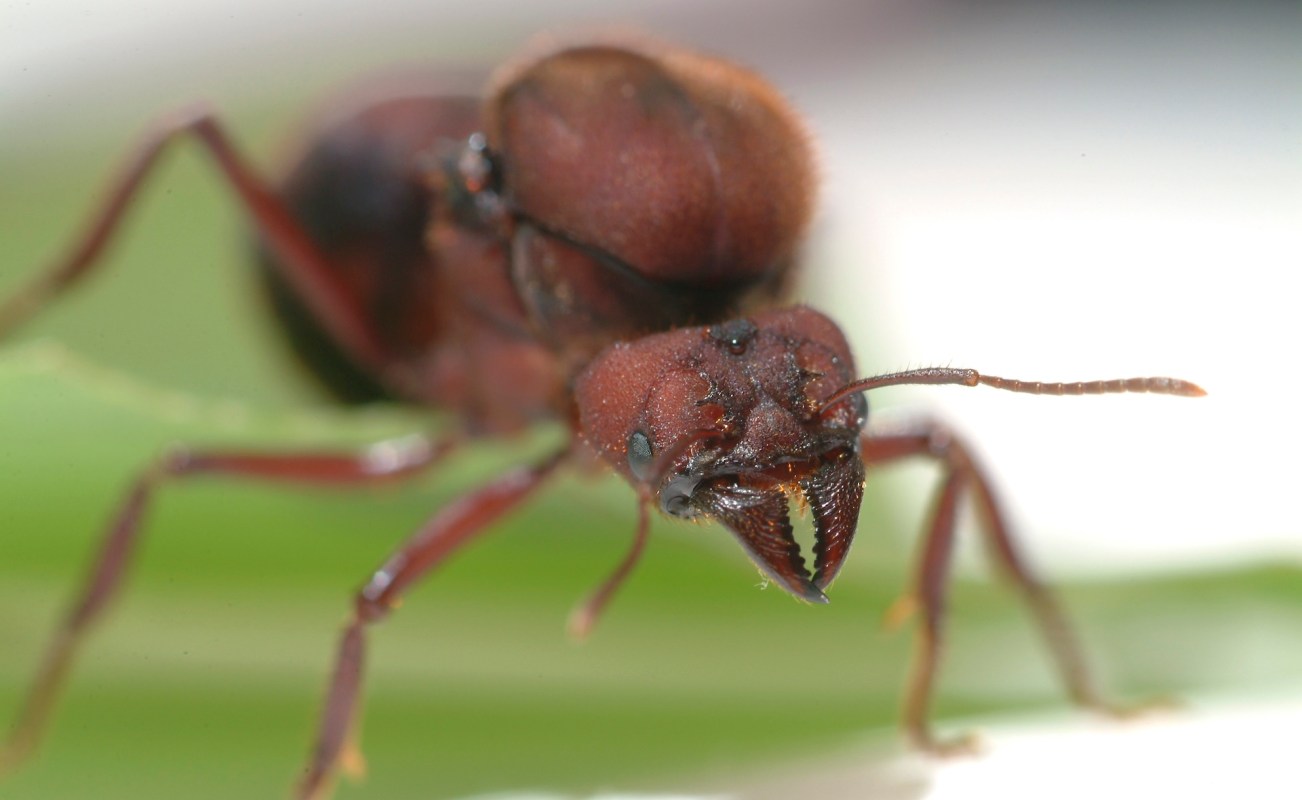
Move over, ivory and rhino horn — there's a new, unexpected player in the world of wildlife trafficking: live ants.
In parts of Kenya, collectors are targeting queen ants and selling them into a growing black market fueled by hobbyists who keep colonies as pets, the BBC reported.
What's happening?
During the rainy season, swarms of ants emerge from underground nests across regions like Gilgil.
This brief window is when queen ants, the only ants capable of starting entire colonies, take flight — making them easier to capture and creating an opportunity for traffickers.
Experts say prized species like the giant African harvester ant, described as "many people's dream species" by Ants R Us, can sell for as much as $220 per queen on the black market.
Authorities uncovered the scale of the trade last year when roughly 5,000 live queen ants were discovered in a guesthouse, reportedly destined for buyers in Europe and Asia.
In a more recent incident, officials intercepted another 2,000 queen ants hidden inside luggage at an airport.
"It is likely only a fraction of the actual ants being traded that are being detected, so one can only guess at the scale for now," said entomologist Dino Martins, per the BBC.
Why is this concerning?
While ants may seem like an unlikely target, experts warn that their removal can trigger far-reaching ripple effects.
"Harvester ants are both keystone species and ecosystem engineers. They harvest seeds of grasses and other plants and, in so doing, also help to disperse the seeds," Martins explained.
TCD Picks » Quince Spotlight
💡These best-sellers from Quince deliver affordable, sustainable luxury for all




|
Which of these savings plans for rooftop solar panels would be most appealing for you?
Click your choice to see results and earn rewards to spend on home upgrades. |
 Save $1,000 this year 💸
 Removing large numbers of queen ants can collapse entire colonies, disrupting ecosystems and threatening biodiversity.
"If the trade volume of invasive ants continues to grow, it's only a matter of time before a few escape from their formicaria and become established in the wild," said Zhengyang Wang, assistant professor at Sichuan University, per the BBC.
He warned that this could "wreak havoc," especially in areas where agriculture depends on stable ecosystems.
On a broader scale, wildlife trafficking — whether it involves elephants, exotic plants, or even insects — undermines conservation efforts and compromises biodiversity worldwide.
What's being done about it?
Authorities in Kenya are ramping up enforcement, including arrests, fines, and calls for stronger monitoring at airports and border crossings.
Conservationists are also urging the adoption of greater global protections. Currently, ants are not covered under the Convention on International Trade in Endangered Species, which regulates the trade of many plants and animals. Some experts argue that including ants could introduce much-needed oversight.
Others advocate for a more balanced approach. Kenyan officials approved policy guidelines last year to regulate and sustainably manage the trade, allowing communities to benefit economically while protecting ecosystems.

Get TCD's free newsletters for easy tips to save more, waste less, and make smarter choices — and earn up to $5,000 toward clean upgrades in TCD's exclusive Rewards Club.
Cool Picks




