


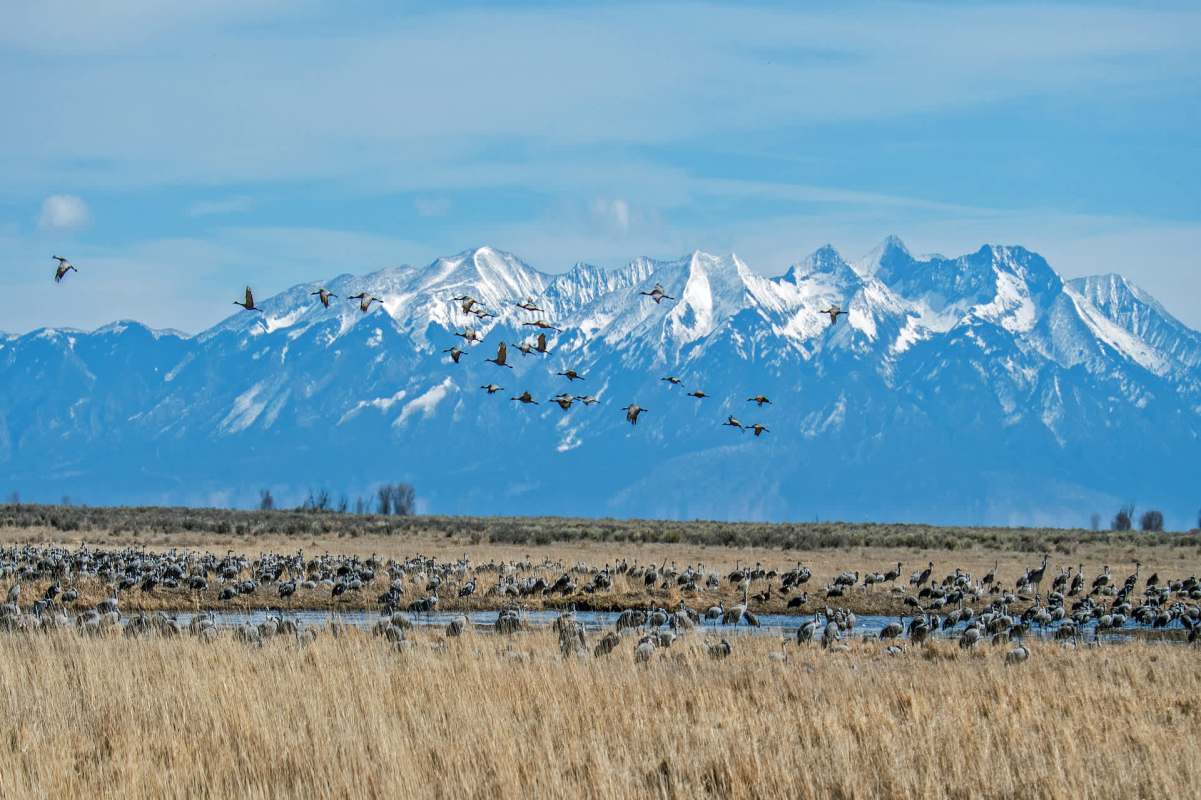
As an extraordinary drought in Turkey continues, areas that were once thriving wetlands for migratory birds and locals are struggling, and the situation is likely to worsen.
What's happening?
The Lake Mogan area, located near the Turkish capital of Ankara, is experiencing the worst drought the region has faced in recent years, putting both locals and wildlife at risk, according to a Xinhua report.
Per Xinhua, the Turkish State Meteorological Service reported that the dry period from August 2024 to July 2025 was among the worst in the past 65 years.
That period has not ended, as the effects of the dry season continue to threaten both the region and the country.
"Nearly 70 percent of the country is under severe or exceptional drought," said Mikdat Kadioglu, a meteorology professor at Istanbul Technical University, in the Xinhua report. Kadioglu pointed to factors including long-term trends tied to rising global temperatures and overuse of water.
The Ankara area has seen diminished reservoirs, farmers having trouble irrigating crops, and rapidly shrinking wetlands, according to a press officer from the Ankara Water and Sewerage Administration cited in the report.
Elsewhere in the country, the Tekirdag region has seen severely reduced rainfall levels recently, as well as over the past decade, according to Reuters. The country in general experienced a 71% decline in rainfall in the year leading up to this July.
Residents in some areas, such as Golbasi, a suburb of Ankara near Lake Mogan, reported seeing fewer migratory birds, like storks and herons, appear during the summer due to the heat drying out the wetland regions they traditionally flocked to in the past.
Why is the drought in Turkey concerning?
Droughts can have long-lasting effects on a region's ability to sustain itself, as water is essential to many human activities. In Turkey, as elsewhere, water is necessary for crop irrigation. It is critical for humans and habitats around Lake Mogan.
"People often see these lakes as places for picnics or fishing. But their ecological role is much bigger. They filter water, recharge groundwater, and mitigate floods. If they vanish, the consequences will be felt," said Cagatay Tavsanoglu, a Hacettepe University scholar, per Xinhua.
TCD Picks » Quince Spotlight
💡These best-sellers from Quince deliver affordable, sustainable luxury for all




|
Do you worry about the quality of the air inside your home?
Click your choice to see results and speak your mind. |
 Yes — often 😬
 Many migratory birds, such as flamingos and herons, which once populated Turkey's wetlands, are now forced to leave due to the drought and find new habitats to avoid the heat.
"Wetlands are highly vulnerable to climate extremes. They rely on a delicate balance of rainfall and groundwater inflow. When this balance is disrupted by prolonged drought, their ecological function collapses very quickly," said Tavsanoglu.
Droughts like these are affecting regions across the globe, including villages in Africa, which are beginning to experience food shortages due to the inability to grow crops.
Cattle farmers in Arizona are also facing challenges as a lack of rain and intense heat dry up their land designated for grazing.
What's being done about the drought in Turkey?
The Turkish government has already made efforts to invest in modern irrigation systems and techniques to prevent water overuse, but more work will be needed to conserve and restore water supplies in the long term.
Global efforts are also still needed to support the broader adoption of energy sources that do not release harmful, planet-warming gases into the atmosphere, thereby mitigating the effects of rising temperatures and extreme weather events, such as drought.

Join our free newsletter for good news and useful tips, and don't miss this cool list of easy ways to help yourself while helping the planet.
Cool Picks




