


The Trump administration appears to be closing in on a deal to approve a road project in Alaska that has long drawn the ire of environmentalists and Indigenous leaders.
What's happening?
As reported by the New York Times, the Trump administration is seeking to finalize a deal that would pave the way for the Izembek National Wildlife Refuge road project. The years-long proposal has sought to build a road through protected wilderness to connect the isolated fishing community of King Cove, Alaska, to an all-weather airport in the neighboring community of Cold Bay.
The project has faced significant backlash since the approval of a similar proposal during the first Trump administration. That plan was canceled under the Biden administration in 2023, but in 2024, an alternate road construction plan proposed under Biden received similar criticism.
While proponents say the project aims to improve infrastructure for residents in the region, many fear that the risks to Alaska Native communities and sensitive habitats for migratory birds and other wildlife are too great.
Elizabeth Peace, a spokesperson for the Interior Department, confirmed in mid-September that the project is being discussed. "The department is moving forward with required reviews to evaluate a potential land exchange that would enable a road between King Cove and Cold Bay," Peace said in a statement. "We are committed to completing this process in full compliance with federal law and with robust public and Tribal engagement."
What could be at stake?
The road has been designed to provide a transportation route for residents of King Cove to access the larger airport in Cold Bay for year-round medical evacuations. As the Times reported, at least 18 King Cove residents are thought to have died because they did not receive timely medical care.
King Cove is currently only accessible by marine and air transport, and these modes of transportation are often hindered by extreme weather conditions. The proposed 40-mile road would include a 10-mile stretch that cuts through a narrow strip of protected wilderness within the Izembek National Wildlife Refuge.
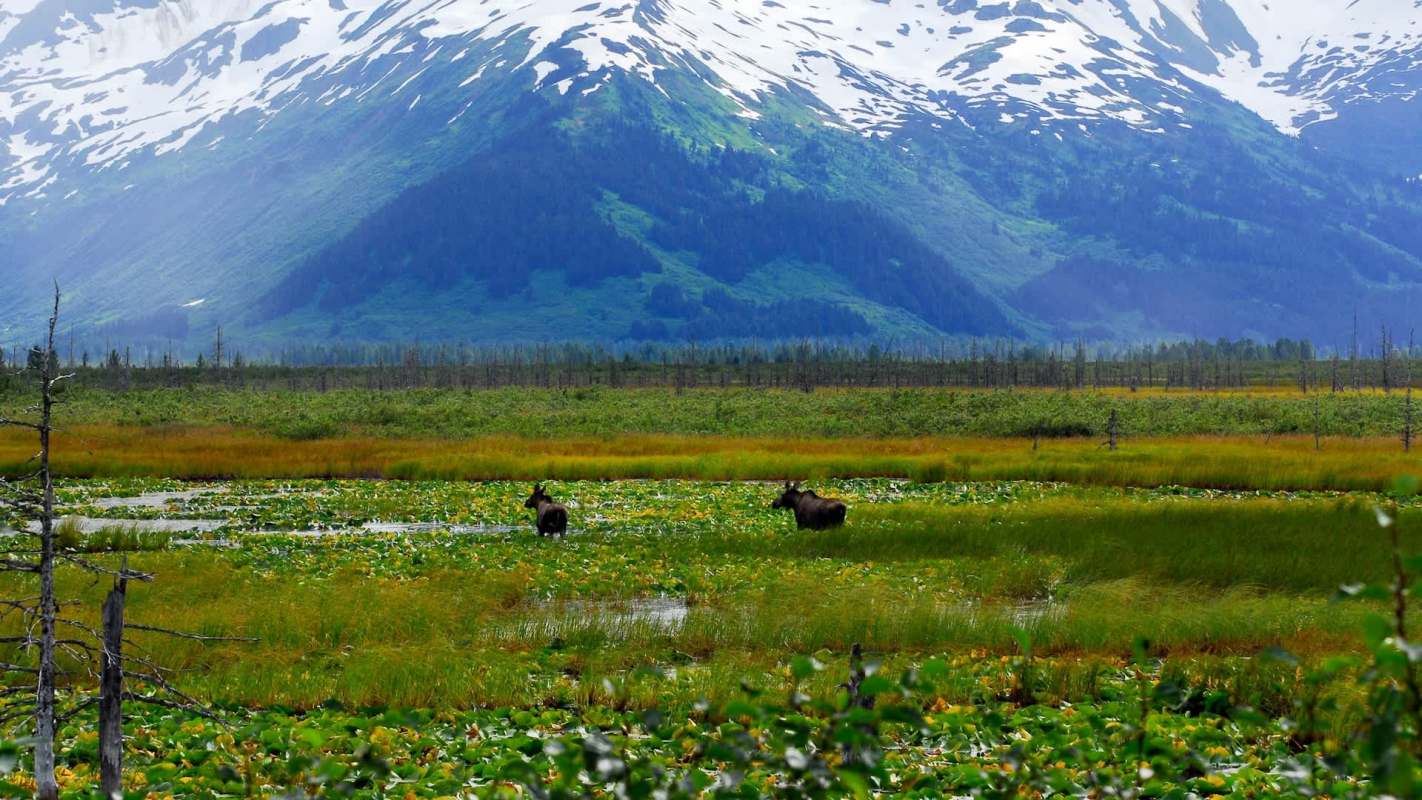
Environmental groups have strongly opposed the road, arguing it would cause irreversible damage. The area is a critical wetland habitat for millions of migratory birds, including the Pacific black brant, Steller's eiders, and emperor geese.
Risks to wildlife could pose threats to the ecosystem and to Alaska Native communities whose lives and livelihoods depend on hunting, fishing, and land stewardship.
"We understand the needs of King Cove and Cold Bay, but reliable solutions exist to improve access between the communities that would not jeopardize our Tribe and others throughout Alaska," Native Village of Hooper Bay Chief Edgar Tall said in a press release from Earthjustice issued in November 2024, when the U.S. Fish and Wildlife Service under the Biden administration released its environmental impact statement for its alternate road plan.
TCD Picks » Quince Spotlight
💡These best-sellers from Quince deliver affordable, sustainable luxury for all




|
Do you think America does a good job of protecting its natural beauty? Click your choice to see results and speak your mind. |
 Definitely 👍
 "As Secretary [Deb] Haaland has noted, respecting Tribal sovereignty requires really listening to Tribal communities."
Nicole Whittington-Evans, senior director of Alaska and Northwest programs at Defenders of Wildlife, pointed to the hazards roadway construction could pose to vulnerable habitats, ultimately leading to biodiversity loss. "This place is a biodiversity stronghold that is very, very deserving of protection," Whittington-Evans told the Times this September.
What's being done about roadways in Alaska?
On Sept. 22 of this year, U.S. Senator Dan Sullivan announced that the U.S. Department of Transportation had redistributed $183.4 million in federal funds to the Alaska Department of Transportation & Public Facilities. The release from his office said the move aims to help "deliver infrastructure projects that strengthen highway safety, preserve pavement, and improve access across the state."
As Tall and others have advocated since the initial project proposals years back, listening to Indigenous community members and other residents could be the least harmful path to solving the lack of roadways across the state.
And while the Izembek road plan has yet to become final, Michelle Sinnott, an attorney at the environmental organization Trustees for Alaska, told the New York Times that even if it does, her group and those it represents would "not stop fighting."

Join our free newsletter for good news and useful tips, and don't miss this cool list of easy ways to help yourself while helping the planet.
Cool Picks




