


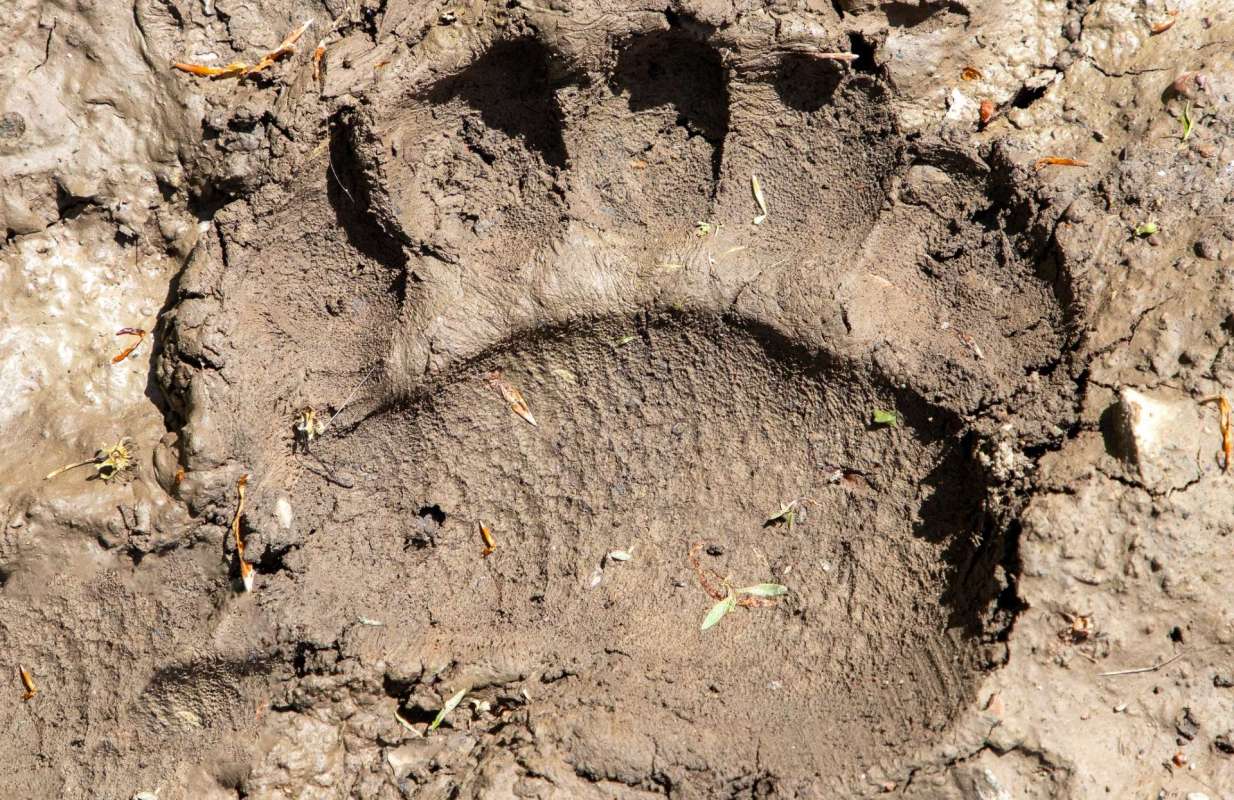
Bears in Italy are getting smaller and less confrontational, which is beneficial for humans but might be detrimental to the animals in the long term.
What's happening?
According to a study by an international team of researchers, summarized by the Oxford University Press, Apennine brown bears living near villages in Central Italy have evolved to have smaller bodies and display less aggressive behavior than their Asian, North American, and European counterparts.
The study, published in the journal Molecular Biology and Evolution, reported that the bear species has lived near people for thousands of years and has likely become more domesticated as a result of population bottlenecks caused by human culling of aggressive bears.
While this means that more docile bears have a greater chance of survival, it may come at the cost of reduced genetic resilience and an increased risk of harmful mutations.
"Human-wildlife interactions are often dangerous for the survival of a species, but may also favor the evolution of traits that reduce conflict," one of the study's authors, Giorgio Bertorelle, explained.
"This means that even populations that have been heavily and negatively affected by human activities may harbor genetic variants that should not be diluted, for example, by restocking."
Why are these changes in bears concerning?
The researchers noted that habitat changes, land-use pressures, and climatic shifts have likely driven evolutionary changes in Apennine brown bears.
"One major cause of decline and isolation was probably forest clearance associated with the spread of agriculture and increasing human population density in Central Italy," said the paper's lead author, Andrea Benazzo.
As the team said, it's great news for humans, but the loss of diversity among the bear population could make them less adaptable and more vulnerable to diseases and environmental shifts in the future.
Human encroachment into animal habitats has forced wildlife to evolve over time, but not all of these adaptations are beneficial to the long-term health of bears and other species.
TCD Picks » Quince Spotlight
💡These best-sellers from Quince deliver affordable, sustainable luxury for all




|
Do you think America does a good job of protecting its natural beauty? Click your choice to see results and speak your mind. |
 Definitely 👍
 It's also worth noting that the destruction of the natural world has negative impacts on humans, since we rely on these resources for survival just as other animals do.
For example, the warming climate largely caused by human activities such as the burning of fossil fuels is creating the perfect conditions for vector-borne diseases like malaria to spread, including in the United States. While locally acquired cases are considered rare, there have been more reports in Florida and Texas in recent years.
Human land development is also pushing some bears, like grizzlies and Asiatic black bears, closer to towns and cities as the animals hunt for food, increasing the likelihood of human-animal conflicts.
How can I protect brown bears?
Since the cause of bears becoming more aggressive (and also non-aggressive, in the case of the Italian bears) is largely due to human activities, one way we can protect them is to switch to energy-efficient appliances, vehicles, and fuel sources that benefit the climate.
Driving an electric vehicle, using solar panels instead of relying on the grid, and switching to a heat pump rather than using a furnace, for example, are all great ways to help bears thrive.
You can also donate to environmental and wildlife organizations that work on conservation projects to ensure that bears and humans can coexist peacefully.

Get TCD's free newsletters for easy tips to save more, waste less, and make smarter choices — and earn up to $5,000 toward clean upgrades in TCD's exclusive Rewards Club.
Cool Picks






