


Florida's yearly python hunt may suggest that one giant snake is the state's defining environmental headache. In reality, Burmese pythons are just one piece of a much larger invasive-species problem.
Snake removals in the Everglades are still ongoing, but non-native predators and other harmful animals are also expanding their range in Florida and putting strain on wildlife, infrastructure, pets, and agriculture.
What's happening?
During the 2026 10-day Florida Python Challenge, 69-year-old longtime hunter Tom Rahill captured 96 Burmese pythons, taking the event's top title, Fox News reported. Across the competition, 907 participants removed 280 invasive pythons from the Everglades, according to The Times of India.
In a separate removal in January, contracted hunter Carl Jackson and his family pulled a female python weighing 202 pounds and measuring nearly 17 feet from Big Cypress National Preserve — the second-heaviest python ever documented in Florida.
Burmese pythons spread in Florida after years of exotic pet imports in the 1970s and 1980s, along with escapes, deliberate releases, and a python breeding facility thought to have been destroyed in a 1992 hurricane. Florida's warm wetlands came stocked with an abundance of prey and no natural predators, creating perfect conditions for the species to flourish.
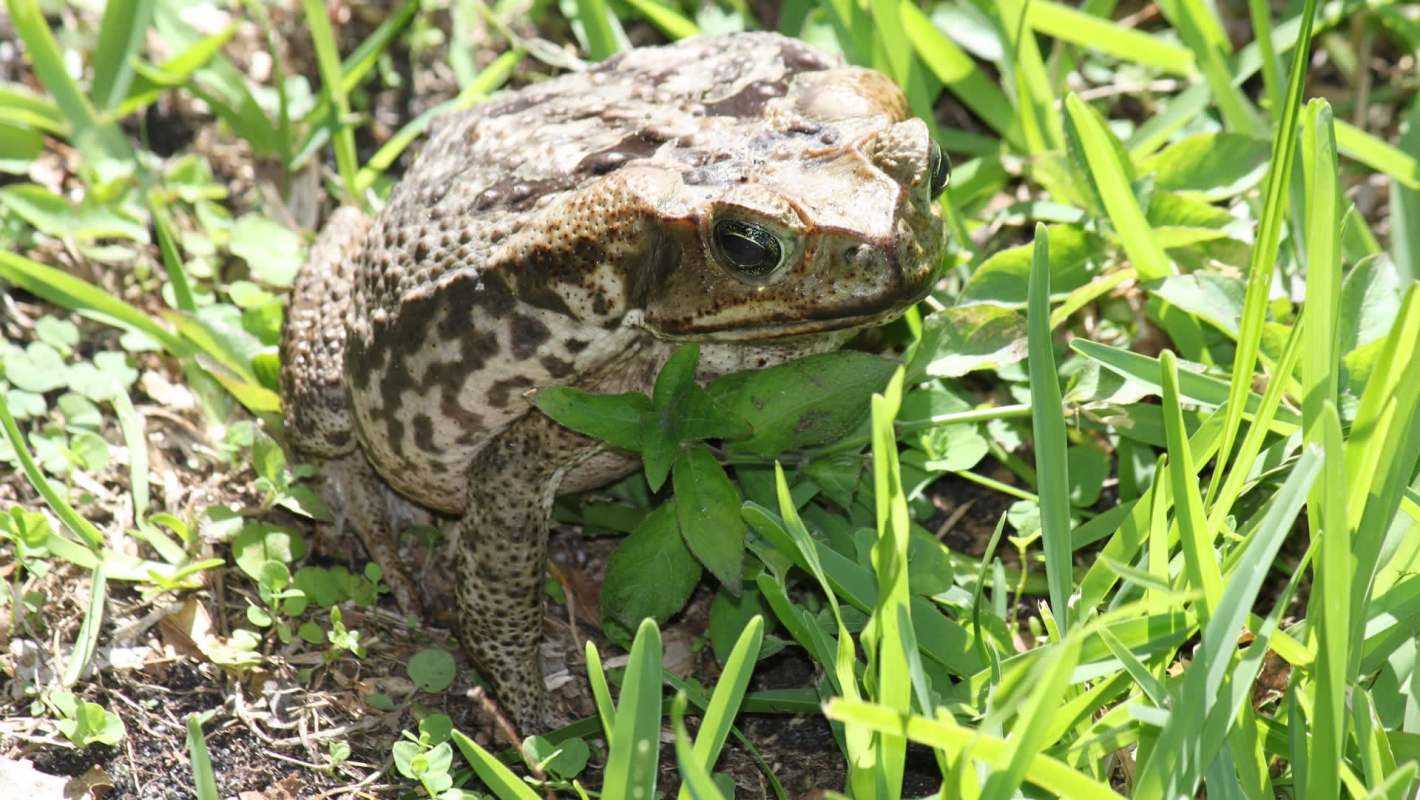
Those favorable conditions have helped more than pythons. Other invasive species now established in Florida include Argentine black-and-white tegus, green iguanas, Pacific lionfish, feral hogs, and cane toads.
TCD Picks » Quince Spotlight
💡These best-sellers from Quince deliver affordable, sustainable luxury for all




Why does it matter?
Native ecosystems can lose stability when invasive animals take over, disrupting food webs, reducing biodiversity, and making it more difficult for Florida's landscapes to remain healthy and resilient.
The risks vary by species. The Argentine black-and-white tegu raids nests and consumes eggs, threatening animals including gopher tortoises and burrowing owls. In coastal waters, lionfish displace native reef fish. On land, feral hogs rip up wetlands, forests, and cropland, creating expensive problems for farmers and land managers.
Meanwhile, green iguanas dig around canals, seawalls, levees, and sidewalks, which can worsen infrastructure problems in developed areas. Cane toads also pose a danger to pets because dogs that bite them can be poisoned.
Combined, these invasions erode native habitats and make it tougher for communities to safeguard water systems, maintain outdoor spaces, and sustain the plants and animals Florida relies on.
What's being done?
One of the state's most visible responses is the Florida Python Challenge, which aims to curb damage by removing invasive animals before they can reproduce further. Contracted hunters are also still pursuing large pythons in sensitive areas like the Everglades and Big Cypress National Preserve.
Florida has also used watch lists to single out some of its most harmful invaders, including the "Dirty Dozen," which added green iguanas in early 2026. Labels like that can help focus public attention and management resources on species causing the most ecological and structural harm.
People can also help by not releasing exotic pets and by reporting invasive species sightings through state wildlife channels.
Florida is unlikely to solve every invasion through hunting alone, but ongoing removals, better monitoring, and more responsible pet ownership can significantly reduce harm and improve native wildlife's chances of recovery.

Get TCD's free newsletters for easy tips, smart advice, and a chance to earn $5,000 toward home upgrades. To see more stories like this one, change your Google preferences here.







