


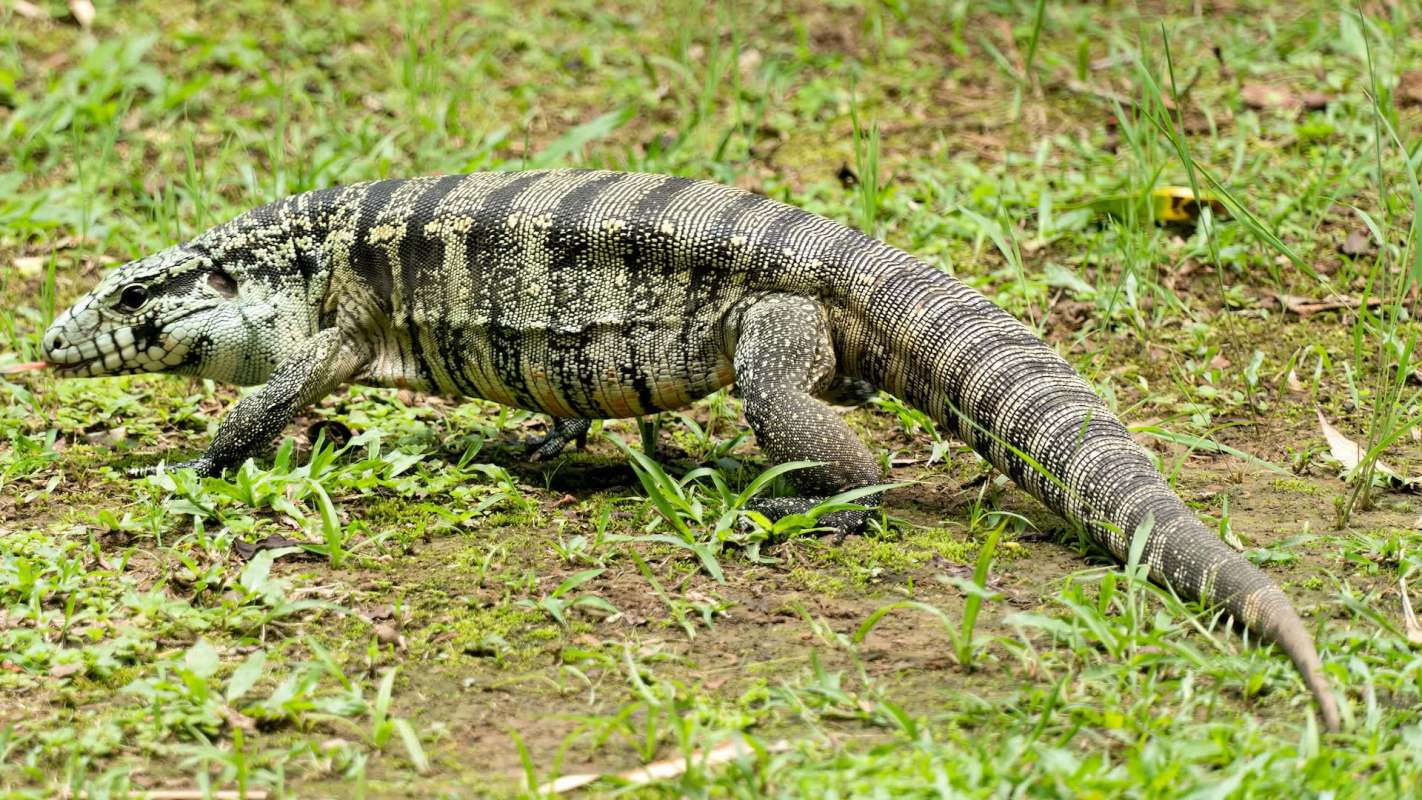
Florida's invasive-species problem goes well beyond the Burmese pythons that often grab headlines. In the Everglades, another fast-spreading reptile is threatening wildlife by targeting the eggs of other animals.
The Argentine black-and-white tegu, a large lizard introduced through the pet trade, has established itself in parts of South Florida and is adding new pressure to an ecosystem already struggling with multiple destructive invaders.
What's happening?
According to the Florida Fish and Wildlife Conservation Commission, as NBC Miami reported, Argentine black-and-white tegus now live in the Everglades and prey on alligator eggs and the eggs of other native animals.
The lizards are native to parts of South America, but after arriving through the pet trade, they became established in Florida.
According to NBC Miami, their size and lifespan make them formidable invaders. Tegus can grow to about five feet long and live for roughly 20 years, giving them plenty of time to spread and reproduce.
In cooler months, the lizards stay in burrows and enter brumation, a hibernation-like state for cold-blooded animals. When spring returns, breeding begins again, and they may produce about 35 eggs each year, helping their numbers rise quickly, the outlet reported.
TCD Picks » Quince Spotlight
💡These best-sellers from Quince deliver affordable, sustainable luxury for all




Wildlife officials, according to NBC Miami, refer to the tegus as "egg eaters," as the reptiles have been known to prey on gopher tortoise hatchlings and alligator eggs.
Why does it matter?
Egg predators can have outsized effects on native wildlife because they target animals before they even have a chance to survive on their own. When an invasive species raids nests, it can reduce future populations of animals already living within a delicate ecological balance.
With few natural predators in Florida, tegus can spread more easily and keep putting pressure on native species, NBC Miami reported.
What's being done?
NBC Miami reported that the agency still does not have a current estimate of the tegu population, so sighting reports can help officials understand where the reptiles are spreading.
Residents who spot a tegu are encouraged to report it through the free IveGot1 mobile app or at IveGot1.org, NBC Miami said. That kind of community participation can give wildlife managers more information as they work to track invasive populations.
Because the species arrived in Florida through the pet trade, its spread is also a reminder that releasing exotic pets into the wild can cause long-term harm.

Get TCD's free newsletters for easy tips, smart advice, and a chance to earn $5,000 toward home upgrades. To see more stories like this one, change your Google preferences here.







