Scientists have uncovered a troubling first in Canada's Prince Edward Island. An invasive snail species has appeared, and it was possibly introduced by a pet owner.
What's happening?
CBC News reported that scientists on Prince Edward Island have uncovered a suspected invasive snail species that has never before been identified anywhere in the Maritimes.
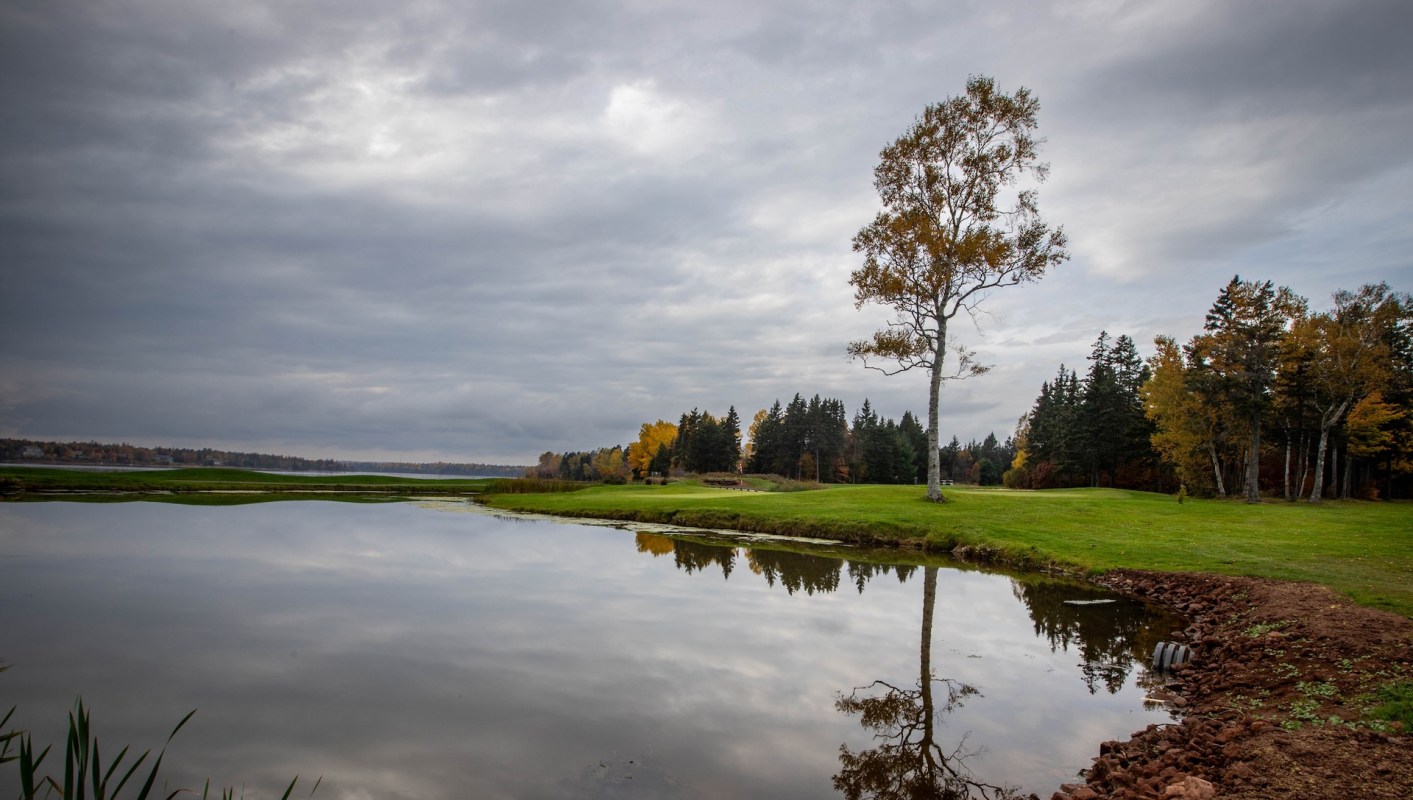
According to Nature P.E.I., the snail was found in Andrew's Pond and appears to be the big-eared Radix, a freshwater snail native to Europe.
Genetic testing is underway to confirm the identification, but experts say it raises concerns about how the snail arrived and what it could mean for local ecosystems.
The find was reported by Jess Dewey, an aquatic species technician with the P.E.I. Invasive Species Council, who said the snail was discovered in an urban area. That points to a likely cause — someone emptying out their aquarium.
"I'm judging it on where we found it," Dewey said. "A large possibility is that it actually did get here through the dumping of tank contents."
TCD Picks » Upway Spotlight
💡Upway makes it easy to find discounts of up to 60% on premium e-bike brands





Why are these snails concerning?
Prince Edward Island is home to roughly 25 known freshwater snail species, many of which are important food sources for native fish. Introducing a new, aggressive competitor could disrupt that balance.
Dewey said the big-eared Radix could pose a particular threat to the island's native ramshorn snail, though it is still too early to know for sure. What worries researchers just as much is how little is known about freshwater snails on the island overall.
"There is a really large, critical gap in our knowledge of the composition of species, the abundance and the distribution of freshwater snails in Prince Edward Island," Dewey said, noting that only a limited number of ponds have been surveyed so far.
There's also a broader environmental concern. Warming temperatures may allow species that once couldn't survive this far north to establish themselves, making future invasions more likely.
TCD Picks » Quince Spotlight
💡These best-sellers from Quince deliver affordable, sustainable luxury for all




|
Do you think America has a plastic waste problem? Click your choice to see results and speak your mind. |
 Definitely 👍
 Climate shifts have extended the range of other species, spreading disease-carrying ticks into new areas and introducing invasive mosquitoes near major transport hubs.
What's being done about invasive snails?
The Invasive Species Council's "Don't Let it Loose" program urges pet owners not to dump aquarium contents into the wild.
"A lot of species can become invasive from doing this and… it's very inhumane to the pet as well," Dewey said. Instead, owners can ethically surrender their pets to the P.E.I. Humane Society, or check with local schools or research labs that may want them.
Meanwhile, researchers hope continued funding will allow them to expand pond surveys. While that could lead to more discoveries, it may also be the only way to understand and limit the spread of invasive species before lasting damage is done.

Get TCD's free newsletters for easy tips to save more, waste less, and make smarter choices — and earn up to $5,000 toward clean upgrades in TCD's exclusive Rewards Club.
Cool Picks