


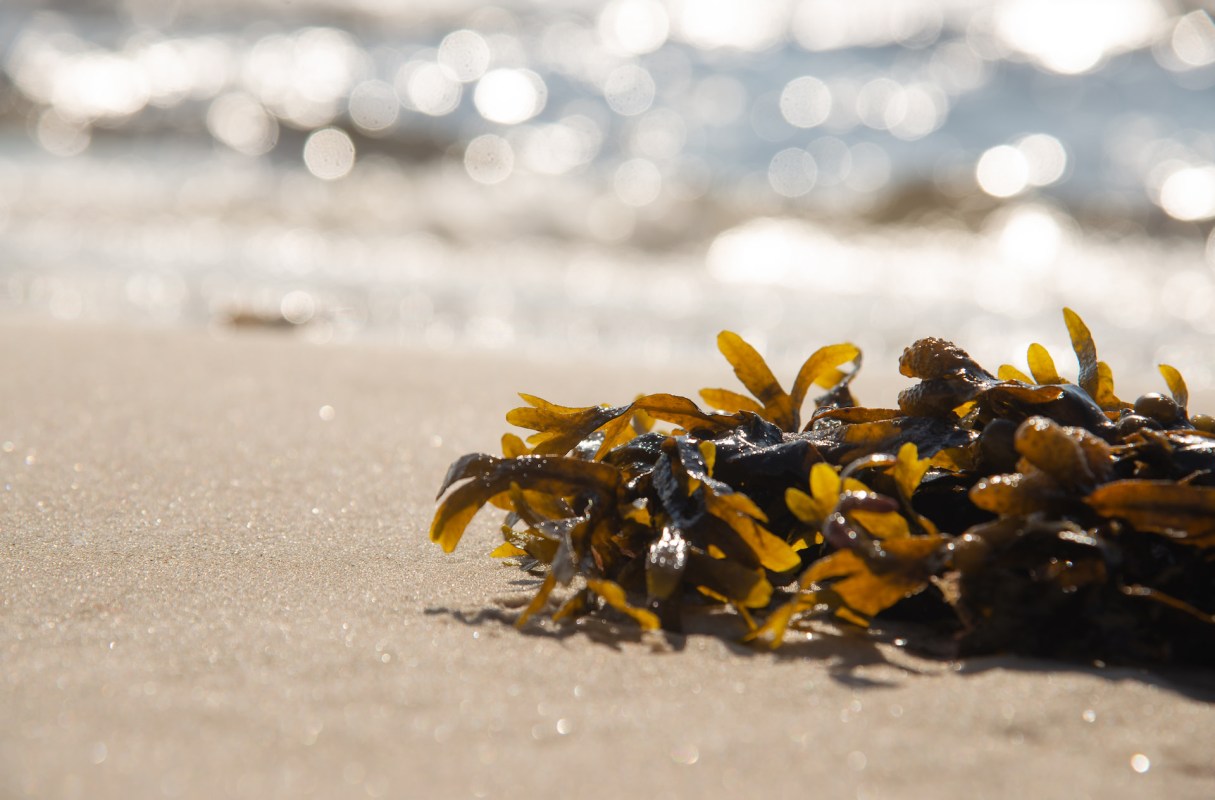
The smell hits you first. By the time you see the mounds of seaweed on La Caleta beach in Cádiz, Spain, you already know the crews in orange vests have been there for hours.
What's happening?
According to The Guardian, crews have hauled Rugulopteryx okamurae — a brown alga from East Asia — into trucks bound for landfills. Since late spring, more than 1,200 tons have been cleared, including 78 tons in a single day.
Marine biologists believe the species arrived in the Mediterranean in the ballast water of ships passing through the Suez Canal. In just over a decade, it has spread from its first recorded sighting in Ceuta to much of Spain's southern coast, the Canary and Azores Islands, and parts of the Basque Country.
"Whenever the wind is westerly, we know we're in for another wave," said José Carlos Teruel, who oversees Cádiz's beaches, per The Guardian.
Why is this invasion concerning?
This is more than an eyesore for tourists. The seaweed smothers rocks, blocks sunlight from reaching native plants, and tangles the nets of local fishing boats. Shallow waters lose oxygen, leaving fish gasping or gone entirely.
Ensuring the health of native species helps conserve natural habitats, stop the spread of disease, and protect the food supply.
Businesses that depend on summer visitors — hotels, restaurants, corner shops — see fewer customers when the shore smells like rot.
It's also a stubborn enemy. Because it is an invasive species, the plant reproduces in multiple ways, tolerates toxins, and has no natural predators. What washes ashore is only part of the problem; most of it remains below the surface.
"In the first phase of an invasion such as this, it can be controlled," University of Cádiz biologist Juan José Vergara said, per The Guardian. "But now the scale of it makes it impossible to control."
Left unchecked, invasives can erase local habitats. Similar stories, like lionfish crowding out reef fish in the Caribbean and cane toads overrunning parts of Australia, show how fast an ecosystem can tip out of balance.
|
Do you think America does a good job of protecting its natural beauty? Click your choice to see results and speak your mind. |
 Definitely 👍
 What's being done about it?
Andalucía's regional government has announced a four-part response: more research, tighter monitoring, public education, and finding uses for the seaweed.
One proposal would turn it into biomass for fuel, fertilizer, or even biodegradable containers. Spanish law normally forbids commercial use of invasive species, but exceptions exist if it aids eradication or protects public health.
For residents, the simplest defenses are still the most effective: cleaning boats before moving between harbors, avoiding the release of aquarium species, and planting natives instead of imports.
Keeping local species healthy means open fishing grounds, inviting beaches, and a bustling economy.
TCD Picks » Quince Spotlight
💡These best-sellers from Quince deliver affordable, sustainable luxury for all





Join our free newsletter for good news and useful tips, and don't miss this cool list of easy ways to help yourself while helping the planet.
Cool Picks






