


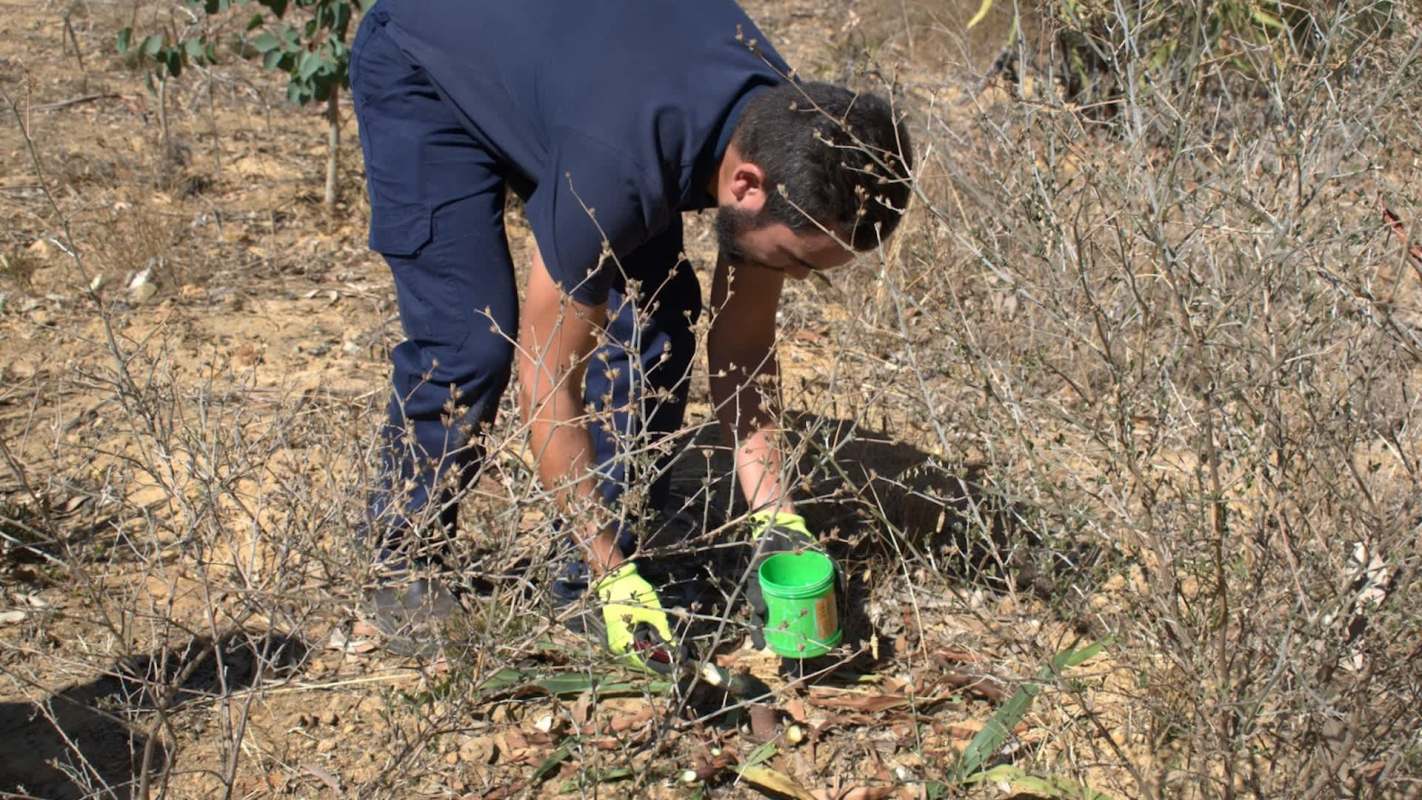
In South Africa, a group of students and faculty did their part in clearing invasive vegetation species from their college campus.
According to SMF News, the project took place at the Bellville Park campus of Stellenbosch University in Stellenbosch, South Africa. The town is located in the country's Western Cape province. According to the university, the group chose the campus since it is considered a "highly-infested area."
The small group targeted Port Jackson and Blue Gum species that were growing across the campus. Port Jackson trees are native to Australia and have been considered an invader plant in South Africa for years due to their ability to spread rapidly and replace native vegetation, endangering entire ecosystems and food webs.
Similarly, the Blue Gum tree, or common eucalyptus, is native to parts of Australia as well as Tasmania. The Blue Gum is also known for its ability to grow rapidly and outcompete native vegetation, which is devastating for biodiversity.
Once the invasive species are completely removed from the campus, the group intends to introduce "indigenous fynbos plants endemic to the area."
There are several benefits to rewilding outdoor spaces with native plant species or replacing traditional turf grass with options like clover and buffalo grass. Native plants require less maintenance and water, saving both time and money. This is due to the fact that native species are able to establish deeper roots, which allows them to consume water from underground sources.
Native species can also promote biodiversity and a healthy ecosystem. These species are often better adapted to the local environment and can provide essential food and shelter for native wildlife, including pollinators that protect our food supply.
Christine Groenewald, the environmental sustainability coordinator at SU, stressed the importance of removing invasive plant species.
"We cannot rehabilitate unless we get rid of the invasive species," Groenewald said. "The eucalyptus leaves a very acidic soil, so nothing else can grow. And they are very water-hungry, so they take up all the water that we get."
According to Sonia Twongyeirwe, a student at SU, putting in work now to clear the campus of Port Jackson and Blue Gum plants is a step in the right direction.
TCD Picks » Quince Spotlight
💡These best-sellers from Quince deliver affordable, sustainable luxury for all




|
Should we be actively working to kill invasive species? Click your choice to see results and speak your mind. |
 Absolutely 💯
 "I think this is a small measure being taken to ensure the native species can continue to thrive," Twongyeirwe said.

Join our free newsletter for good news and useful tips, and don't miss this cool list of easy ways to help yourself while helping the planet.
Cool Picks






