


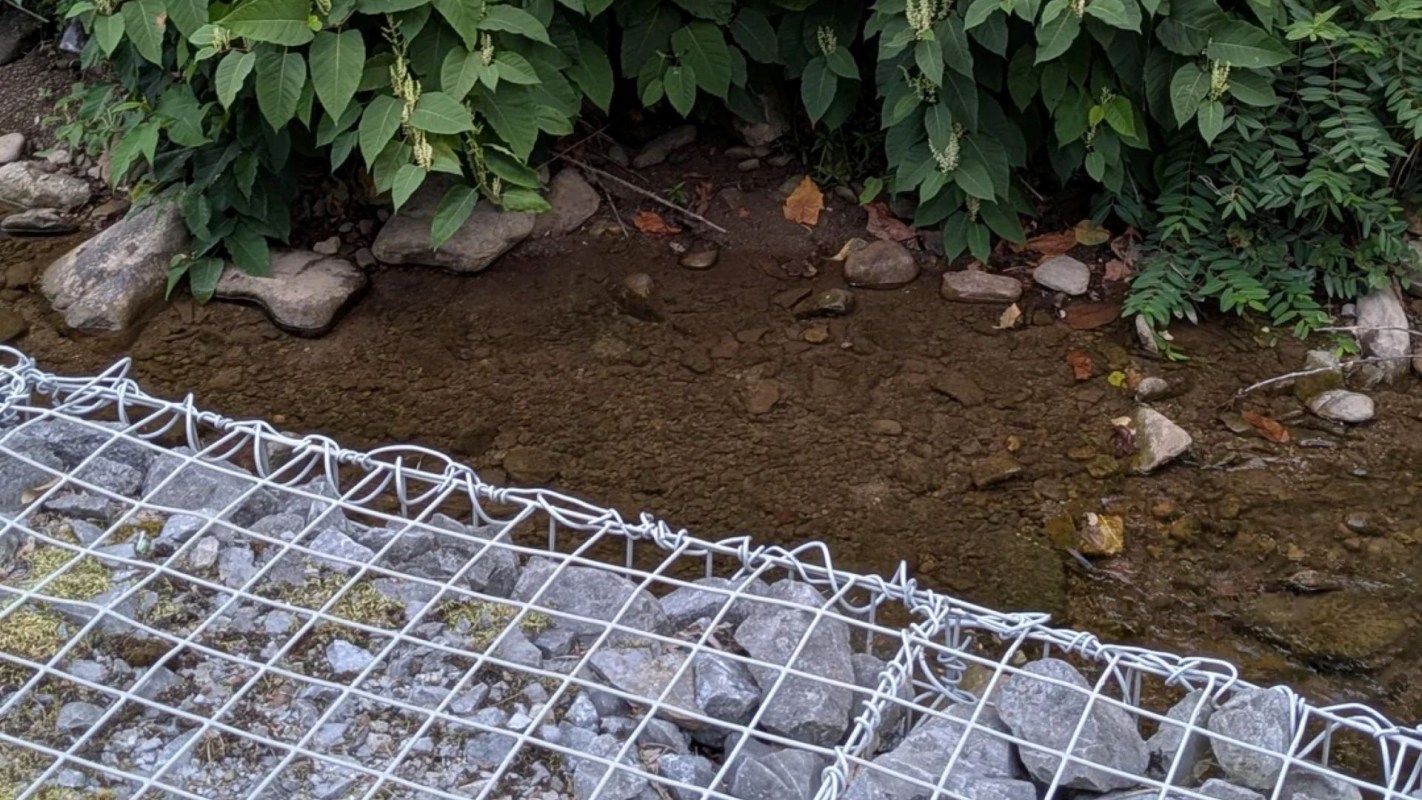
One pedestrian was appalled to find invasive plant species on the campus of Pennsylvania State University, which is known for its extensive research in areas including land and agriculture.
They recorded the two most pervasive invasive plant species they saw on their stroll and shared photos with the r/InvasiveSpecies subreddit.
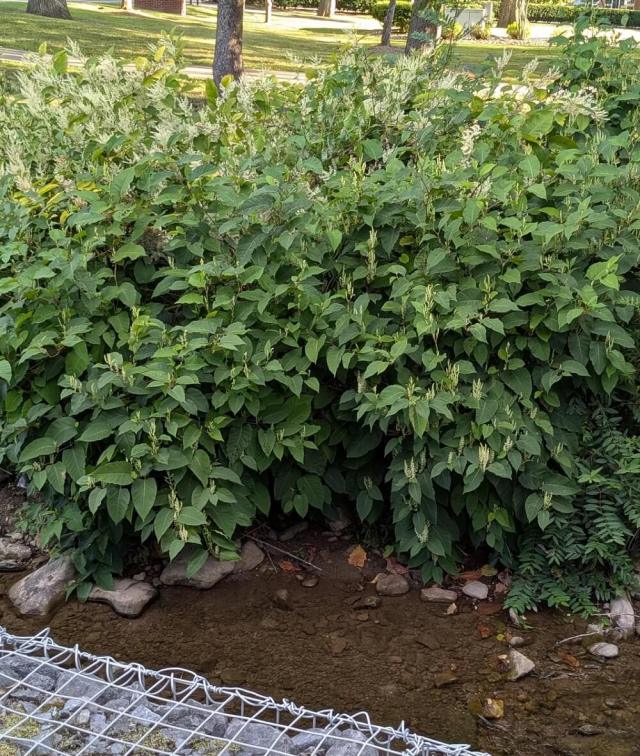
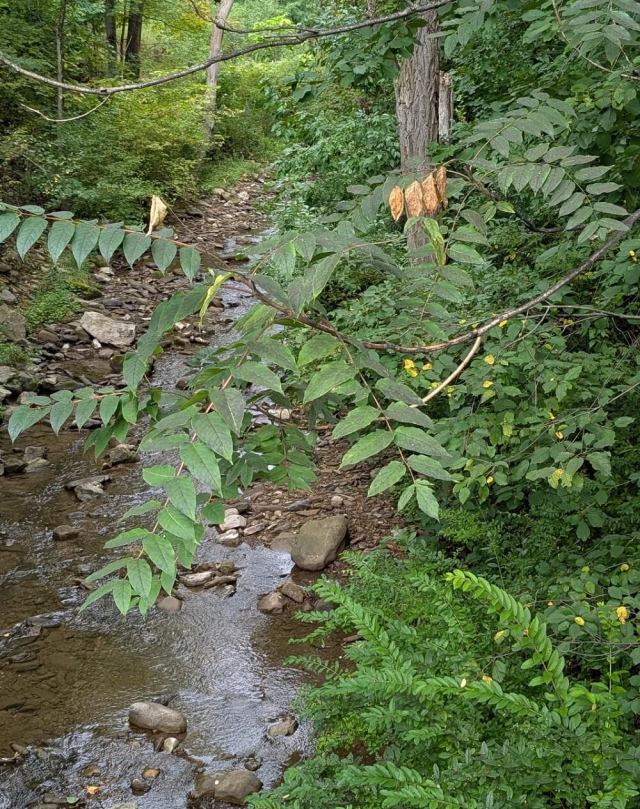
"Penn State? You know the university with the 'gold standard' of information on eradicating Japanese knotweed and the tree of heaven?" the original poster shared. "How ironic."
The different snapshots show multiple Japanese knotweed and tree of heaven plants throughout the university's Altoona campus, which goes to show how widespread these invasive species have gotten.
"Some other invasive trash I've found on this campus include Norway Maple, Bradford pear, periwinkle, wintercreeper, multiflora rose, purple loosestrife, and English ivy," the OP wrote.
Penn State is one of three universities in the United States that has received a "land-, space-, sun-, and sea-grant" university status. This means that Penn State is federally recognized, as well as federally funded, in research and education related to these four areas. The ultimate goal of the research it gathers is to benefit the public good.
TCD Picks » Quince Spotlight
💡These best-sellers from Quince deliver affordable, sustainable luxury for all




As the OP mentioned, Penn State has a wealth of knowledge on invasive plants, including workshops and articles on how to identify and properly dispose of invasive plant species.
Penn State contributors have written extensively on how to identify and manage Japanese knotweed and the tree of heaven, particularly, which makes their presence on the university's campus incredibly ironic.
Invasive plant species are unwanted guests in native habitats due to their aggressive growth and ability to overtake native plants. This reduces biodiversity in the ecosystem, which negatively impacts food availability for local wildlife.
Japanese knotweed, for example, is a resilient invasive plant species that can overtake natural habitats and even damage property.
|
Do you worry about the quality of the air inside your home?
Click your choice to see results and speak your mind. |
 Yes — often 😬
 Flavour Fred (@flavourfred), TikToker and plant expert, explained that Japanese knotweed can grow in and around solidified magma, which means it can also damage a property's foundation if it grows nearby.
Knowing what kind of invasive species is growing on your turf can help you devise a plan to remove them. Some invasive plants must be completely dug out, while others are burned — taking all fire safety precautions.
You can also prevent invasive plant species from taking over your property by supporting native plant growth. A native lawn promotes ecosystem biodiversity and invites local pollinators to your yard, which further protects plant reproduction — including crops — in the local ecosystem.
Native lawns are also slower-growing and less water-hungry than invasive grass species, which could save you time and money on lawn maintenance and water bills.
An alternative lawn replacement option for homeowners looking to save on lawn maintenance, while maintaining lawn creativity, is a xeriscaped lawn.
Xeriscaped lawns are landscaped with drought-resilient plants instead of traditional grass, which minimizes the need for weekly mowing and watering.
"Before I scrolled down I was like 'it's definitely 'Toon Town,'" one commenter replied, referring to the university's Altoona campus. "Which is a shame because it's such a beautiful campus."

Join our free newsletter for good news and useful tips, and don't miss this cool list of easy ways to help yourself while helping the planet.







