


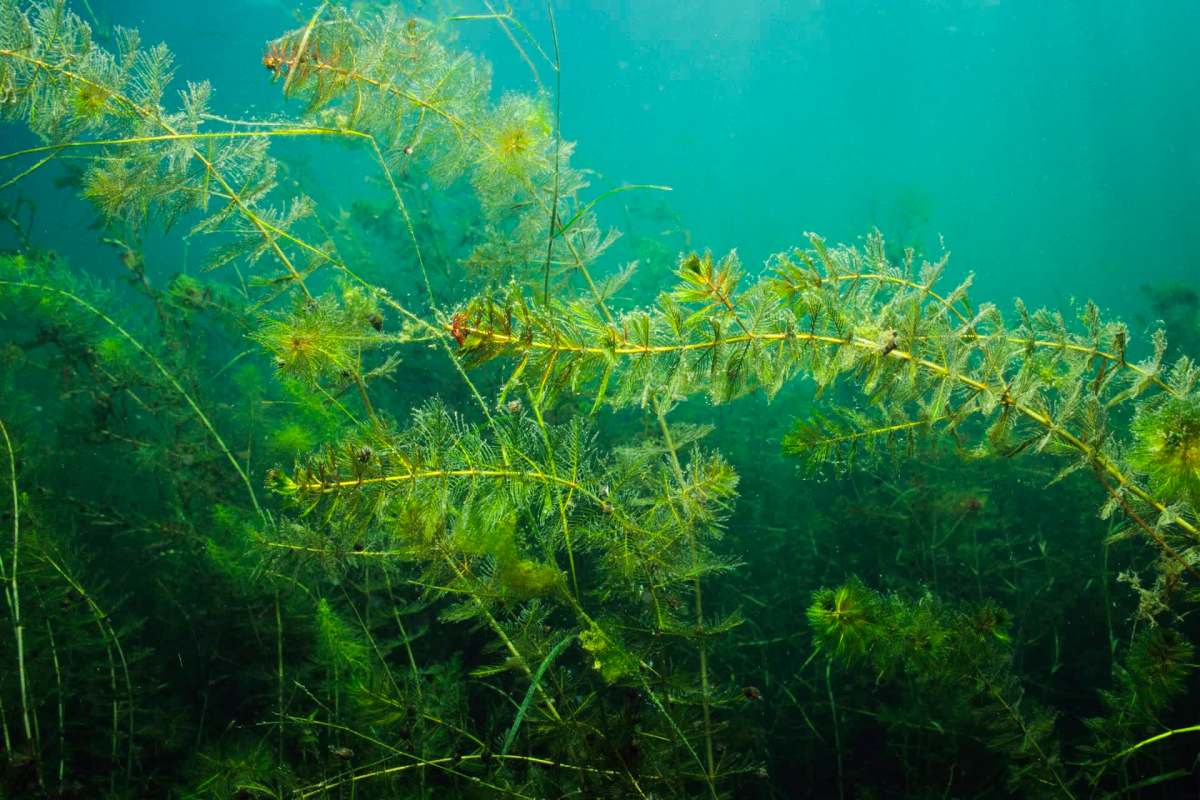
Boaters using Indian Lake, New york, are being urged to slow down and leave plenty of room around a marked work area as a dive crew continues removing Eurasian watermilfoil, or EWM, by hand through the end of July.
While the work may cause a temporary inconvenience for lake users, it is intended to protect the long-term health of a place residents and visitors rely on for recreation, according to NNY360.
What's happening?
Invasive weed removal is underway on the 334-acre Indian Lake in the town of Bellmont and is expected to continue through the end of July.
Boaters are being asked to stay clear of the areas where divers are working, per NNY360.
After working in water ranging from 3 to 10 feet deep, the four-person team came back to shore on Tuesday, July 14, with batches of Eurasian watermilfoil collected from the lake's northwest corner.
Those divers included University of Cincinnati junior Nick Garee, SUNY College of Environmental Science and Forestry sophomore Chase Maybery, Florida State University graduate Alana Acevedo del Toro, and supervisor Alexis Lea.
TCD Picks » Quince Spotlight
💡These best-sellers from Quince deliver affordable, sustainable luxury for all




Two divers work in the water in shifts of up to three hours while the others watch from a dive boat and a kayak before swapping places.
Why does it matter?
Eurasian water milfoil is a fast-spreading invasive aquatic plant that can create serious problems for lakes if left unchecked.
Thick mats of the plant can crowd out native vegetation and disrupt fish habitat.
EWM can also make boating, paddling, and swimming more difficult.
Keeping invasive plants under control can also reduce the chances that fragments will spread to other parts of the lake or hitch a ride to nearby waterways on boats and trailers.
What's being done?
Trained divers are removing the weeds directly from the lake.
Hand-pulling can be labor-intensive, but it is often used in targeted management because it allows crews to focus on problem areas without causing as much disruption as broader mechanical methods.
Clear markers around the work area are part of the safety plan, while the pontoon boat, along with buoys and diver-down flags, lets passing boaters know a crew is operating below the surface.
Slowing down near work zones can help protect the divers and keep the removal effort on schedule.
Beyond this project, cleaning boats, trailers, and gear before moving between lakes can help prevent future infestations.
Small steps such as removing plant fragments and draining water can help stop invasive species from spreading.

Get TCD's free newsletters for easy tips, smart advice, and a chance to earn $5,000 toward home upgrades. To see more stories like this one, change your Google preferences here.







