


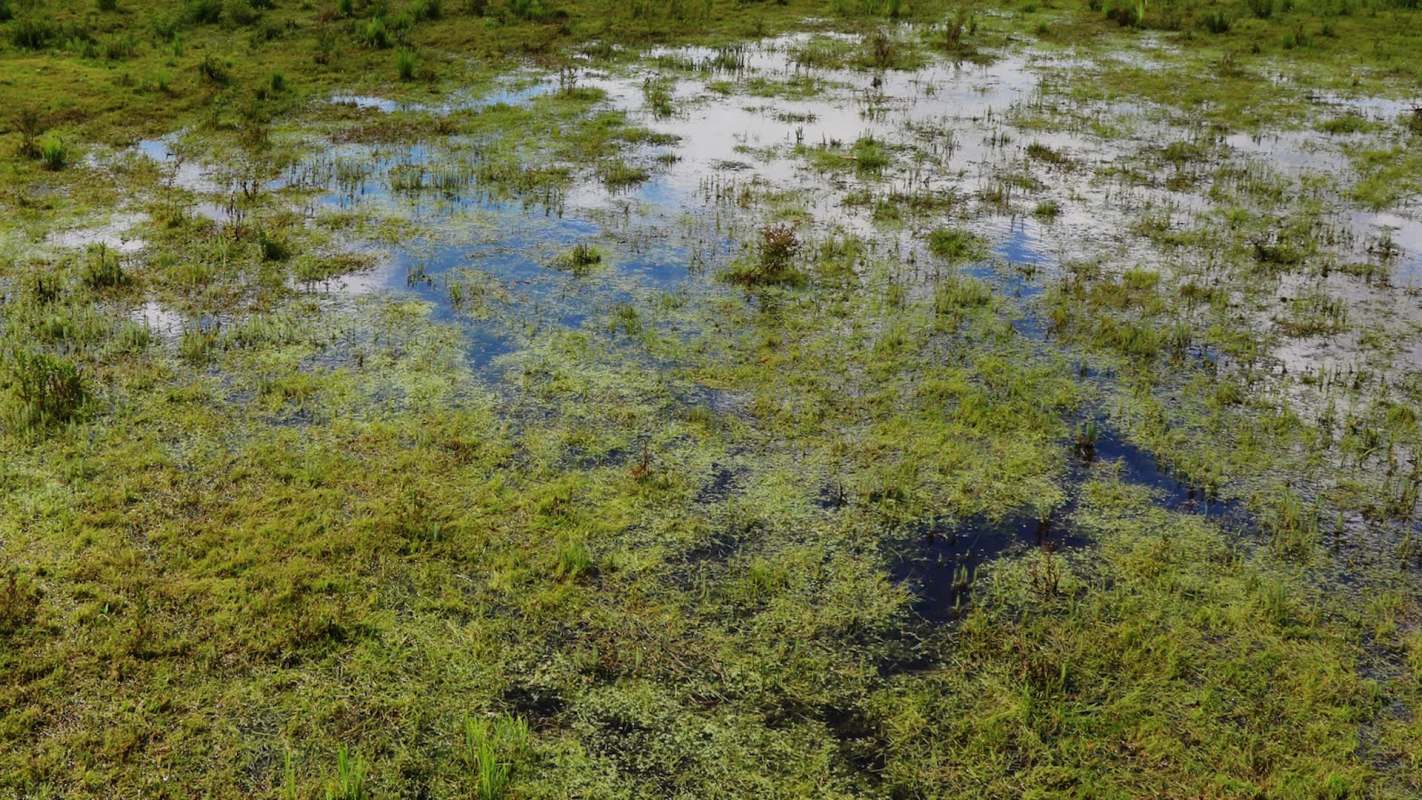
One stubborn, invasive aquatic plant, variable milfoil, is winning a war against its human foes in several New Hampshire lakes.
Despite many New Hampshire residents' best efforts, the milfoil appears to be winning the battle.
What's happening?
Unfortunately, despite the extensive removal efforts from teams of New Hampshire residents, this plant invader seems to be here to stay, the New Hampshire Bulletin reported.
Addressing the milfoil invasion has proven frustrating, expensive, and extraordinarily difficult.
Now, the New Hampshire Department of Environmental Services says roughly 100 bodies of water across the state are known to contain invasive plants. Making matters worse, the NH LAKES programs director, Brea Arvidson, said there are likely many additional infestations that have not yet been reported.
Part of what makes these species so difficult to control is how aggressively they spread. They grow quickly, crowd out native vegetation, and can regenerate from even tiny plant fragments.
TCD Picks » Quince Spotlight
💡These best-sellers from Quince deliver affordable, sustainable luxury for all




In some cases, a plant disturbed during an attempted removal can help start the next infestation.
As one volunteer working to remove the invader put it: "We're not making progress. We're keeping it at bay."
Why does it matter?
Their spread affects both ecosystems and recreation, leaving less room for native species, worsening water quality, and making swimming and boating more difficult.
David Neils, an employee for the New Hampshire Department of Environmental Services, told the New Hampshire Bulletin, "If you just let them go, they will become dominant. They could affect the ecosystem, and they could affect peoples' enjoyment of the water body."
Since the state's lakes help support recreation, the effects of dense invasive growth extend well beyond the shoreline.
People can and have unintentionally moved these plants from lake to lake on boats and outdoor equipment, and climate change may further tilt conditions in their favor through warmer waters and shifting nutrient levels.
What's being done?
To fight back, lake associations and state officials are using a mix of prevention, monitoring, and removal. Depending on the severity of an infestation, that can include divers hand-pulling plants, suction harvesting from the lakebed, or herbicide treatments.
Fighting the plants takes serious resources. A dive session can cost a few hundred dollars, and larger treatment projects can rise into the tens of thousands.
On June 3, the New Hampshire state government approved nearly $235,000 in grants for local lake associations to help control invasive plants. And while that funding offers support, much of the work still falls to volunteers.

Get TCD's free newsletters for easy tips, smart advice, and a chance to earn $5,000 toward home upgrades. To see more stories like this one, change your Google preferences here.






