


The European Union is taking the plastic crisis seriously, but officials are concerned that a decrease in recycling capacity is undermining those efforts, the Financial Times reported.
What's happening?
In late 2024, the EU adopted a measure requiring member states to incrementally phase out single-use plastics by 2030.
On Monday, the EU reiterated its goal of transitioning to a circular economy — maximizing resources to avoid waste and pollution — with "a particular focus on the plastics sector."
In a news release, European Commissioner Jessika Roswall cited Europe's "struggling plastics recycling sector" as an area in which improvement was sorely needed. In an interview, she told the Financial Times that the EU's plastic recycling industry was in "deep crisis."
Roswall explained that 10 plastic recycling plants had shuttered over an 18-month period in the Netherlands.
At the same time, the EU lost 1 million tons of recycling capacity, roughly equivalent to France's annual plastic recycling demand.
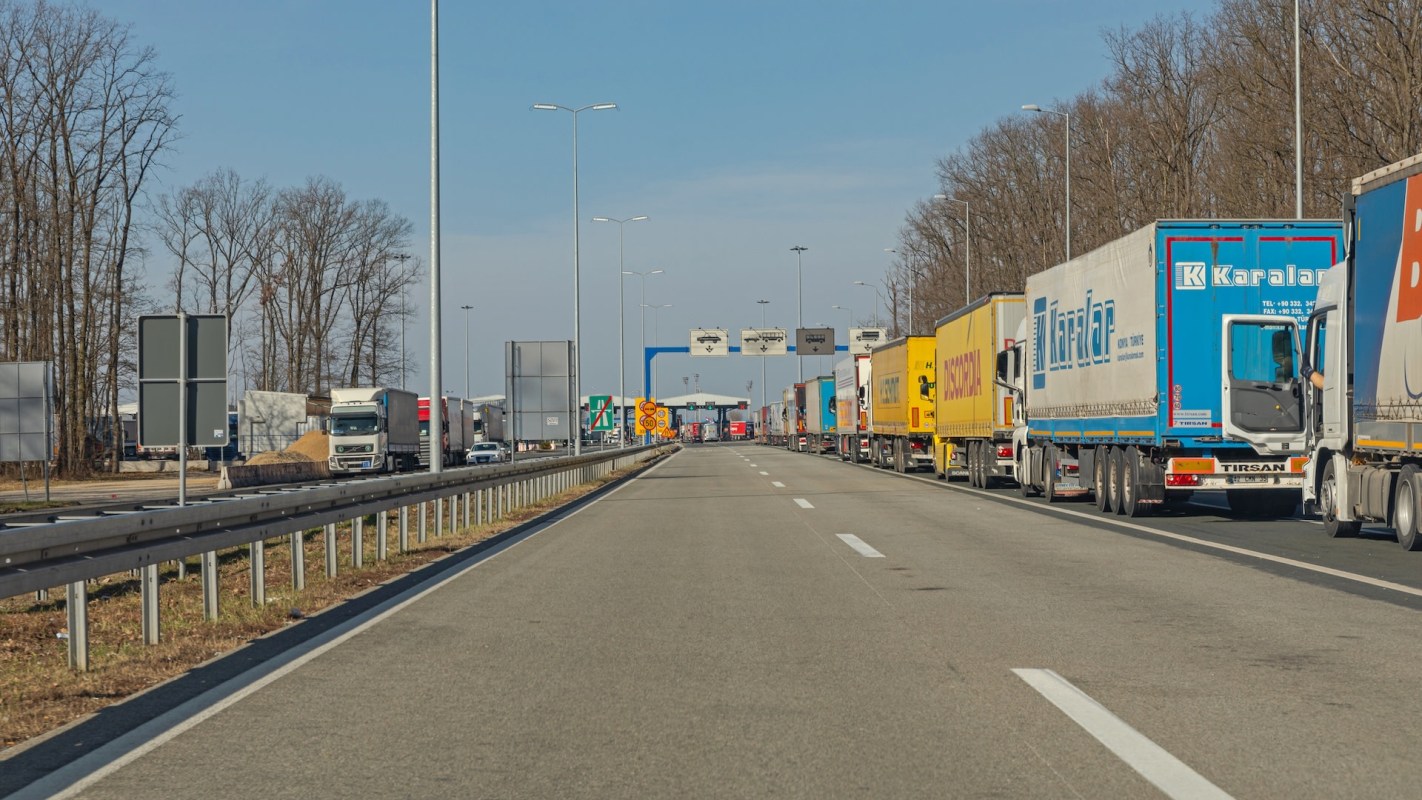
According to Roswall, the EU is still contending with a massive influx of plastic from China despite "antidumping" fines imposed in 2024, and customs officials are often unable to distinguish virgin plastic from recycled plastic.
"There is an overflow of plastic coming in from third countries," Roswall said, per FT.
Why is imported plastic concerning?
New plastic is sometimes misrepresented as recycled, and the EU currently struggles to distinguish the two.
Roswall acknowledged, per FT, that new plastic is often cheaper than recycled, but its continued use was "not sustainable."
TCD Picks » Quince Spotlight
💡These best-sellers from Quince deliver affordable, sustainable luxury for all




|
Do you think America has a plastic waste problem? Click your choice to see results and speak your mind. |
 Definitely 👍
 Plastic pollution goes beyond litter: It's an environmental scourge and a major threat to public health, with "cradle-to-grave implications."
As Greenpeace once put it, "every piece of plastic ever made still exists," a statement that sounds like hyperbole but isn't. Plastic can take centuries to break down, and that process is damaging to the planet and its inhabitants.
As plastic decomposes, it sheds innumerable microplastic particles, a pollutant first documented in 2004. In the two decades since, researchers have identified a number of adverse ecological outcomes and grave risks posed to humans and wildlife by microplastics.
Much in the way plastics are designed to resist breaking down, microplastics lodge themselves in the bodies of people and animals alike.
Exposure to microplastics has been linked to a number of adverse health outcomes, including heart attacks and cancer.
What's being done about the plastics crisis?
Since 2022, the United Nations has sought to adopt a binding global plastics treaty to curb this widespread problem, but oil-producing member states have stalled those efforts.
While governments clash, avoiding single-use plastics and replacing your most-used items with plastic-free alternatives limit both your direct exposure and environmental plastic pollution.
The EU is urgently soliciting proposals to address plastic imports, but Roswall saw an opportunity, per FT.
"We need to have one single market for waste," she said. "We need to see waste as a resource, not trash — how do we turn trash to cash?"

Get TCD's free newsletters for easy tips to save more, waste less, and make smarter choices — and earn up to $5,000 toward clean upgrades in TCD's exclusive Rewards Club.
Cool Picks






