


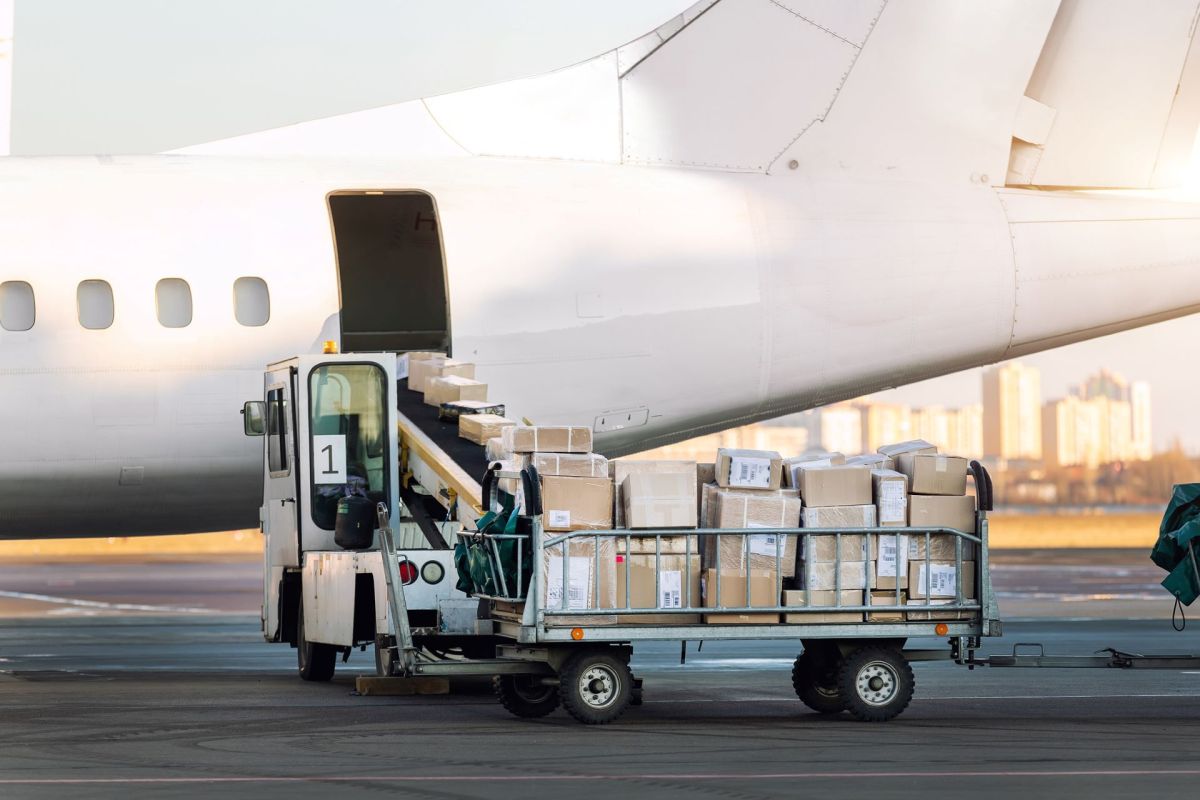
Three people were recently arrested at Bengaluru's Kempegowda International Airport after customs officials intercepted suitcases of smuggled exotic animals on a flight from Bangkok, according to Mid-Day. Authorities said the animals were intended for the illegal pet trade, a market that has become an increasing concern in India.
What's happening?
On Jan. 16, customs officials in Bengaluru intercepted multiple suitcases containing live reptiles and mammals being trafficked across borders. Many of the animals were found dead.
The seizure included two squirrel monkeys, one of which was dead; five live green and yellow iguanas; 11 albino iguanas, four of which were dead; five live blue iguanas; two Abert's squirrels, one dead; two Patagonian hares, one dead; and eight albino sugar gliders, seven of which were dead.
All surviving animals were transferred to wildlife authorities and will be returned to their countries of origin in accordance with customs regulations.
As Mid-Day reported, the market for trafficked exotic pets is no longer limited to wealthy collectors. Experts say the demand increasingly comes from everyday people who are influenced by the glamorization of exotic pet ownership on social media.
Why is the illegal pet trade concerning?
The illegal pet trade directly contributes to the decline of wild populations, putting entire ecosystems at risk. Animals are often captured from their natural habitats faster than they can reproduce — especially at-risk species like blue iguanas and Patagonian hares. This overexploitation can push already vulnerable species closer to extinction and weaken entire ecosystems, making them less resilient to climate shifts, disease, and other environmental pressures.
Another concern with the illegal pet trade is the spread of invasive species. Foreign animals that escape or are released by owners who can no longer care for them can establish populations in non-native environments. Invasive species often outcompete local wildlife for resources and cause long-term ecological harm that is difficult (and costly) to reverse.
The illegal pet trade also increases the risk of disease transmission between wildlife, domestic animals, and humans. The unregulated movement of wildlife across borders can introduce diseases into areas without defenses, threatening biodiversity and, in some cases, public health. As the International Fund for Animal Welfare highlighted, SARS, HIV, Ebola, and the avian flu are all zoonotic diseases that originally passed to humans through wildlife interactions.
What's being done about the illegal pet trade?
In response to the recent seizure, conservationists and wildlife officials are urging authorities to investigate whether it is linked to a larger wildlife trafficking network. Experts told Mid-Day that stronger coordination among multiple agencies is needed to identify supply routes and disrupt illegal trade operations.
"Just imagine what would be coming in from the sea route and the roadways across borders unknown and unchecked," Pawan Sharma, an advocate and wildlife conservationist, told Mid-Day. "A national counter-trafficking team — including multiple agencies and multi-jurisdictional powers — is the need of the hour."
TCD Picks » Upway Spotlight
💡Upway makes it easy to find discounts of up to 60% on premium e-bike brands





|
What's the most you'd pay per month to put solar panels on your roof if there was no down payment?
Click your choice to see results and speak your mind. |
 $200 or more 💰
 Global governments and international organizations are working to curb the illegal pet trade through enhanced law enforcement, tighter regulations, and public education. Customs agencies and wildlife authorities conduct inspections, seize trafficked animals, and prosecute traffickers under national laws and international agreements such as the Convention on International Trade in Endangered Species of Wild Fauna and Flora (CITES). At the same time, conservation groups support rescue, rehabilitation, and reintroduction efforts for seized animals.
The International Fund for Animal Welfare has also called on social media users to avoid engaging with influencers who showcase exotic pets online, warning that such engagement can inadvertently fuel illegal wildlife trade.
"Your likes, views, and follows on their content are used as currency, bringing them more exposure and sponsorship deals," IFAW noted. "That exposure can increase popularity and influence others to buy exotic pets, leading to more animals killed, tortured, and abandoned by people who can't care for them — as well as transmitting new diseases to humans."

Get TCD's free newsletters for easy tips to save more, waste less, and make smarter choices — and earn up to $5,000 toward clean upgrades in TCD's exclusive Rewards Club.
Cool Picks






