


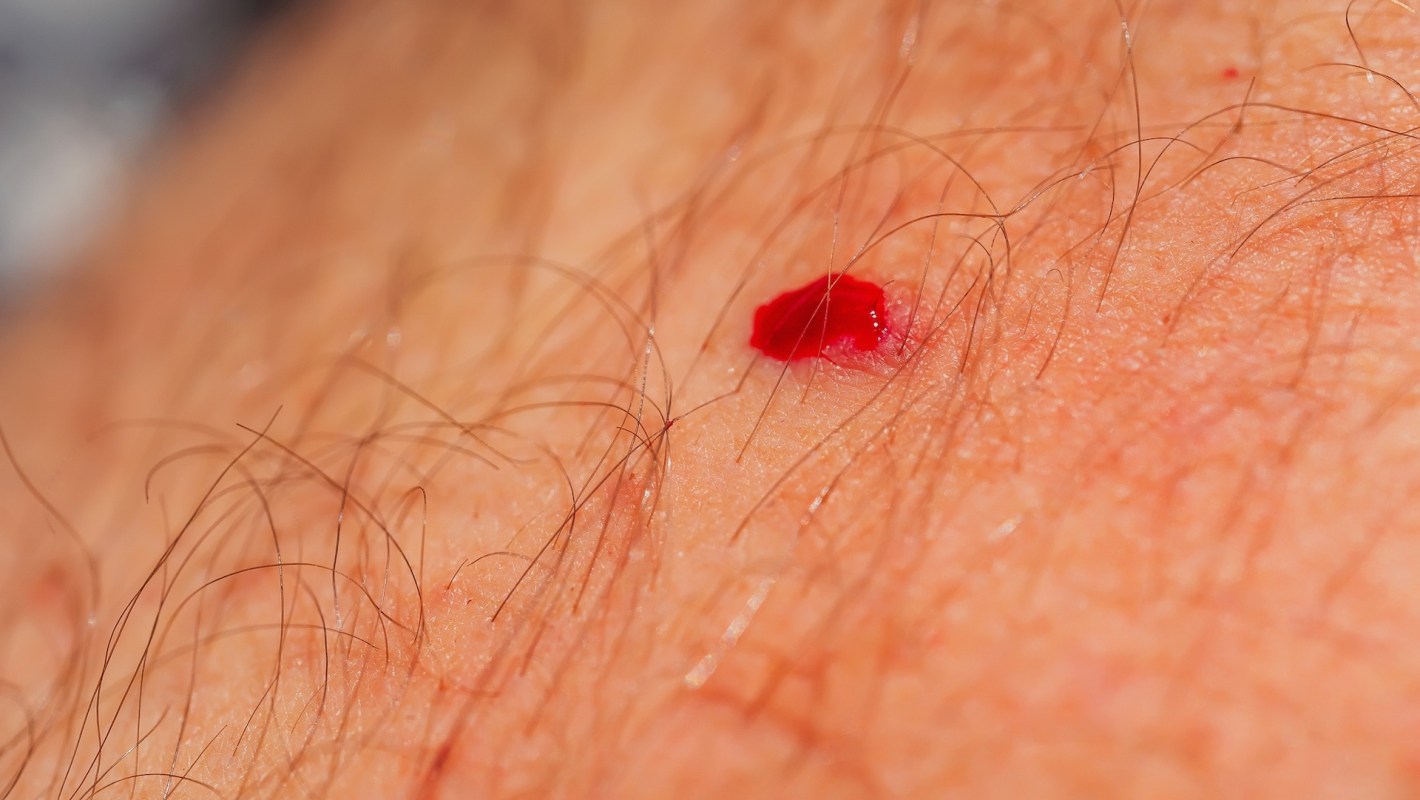
Keep your insect spray handy — mosquitoes are getting hungrier for human blood.
What's happening?
Mosquito bites are an itchy nuisance in most cases but can also pose serious health threats.
New research in the Frontiers in Ecology and Evolution journal has found that mosquitoes are increasingly turning to humans to find their next meal.
The study looked at the Atlantic Forest in Brazil, noting that only a third of the original forest remained after human expansion. Where previously mosquitoes could feed on a whole host of birds, mammals, and amphibians, the biodiversity of the area has shrunk, and the mosquitoes are in closer proximity to humans.
Of the 24 samples of blood the researchers could identify across 1,714 captured mosquitoes, 18 of them came from humans. Blood from one amphibian, six birds, one canid, and one mouse made up the remainder of the study.
Why is this mosquito study concerning?
Vectors, such as mosquitoes, ticks, flies, and fleas, are major disease-spreaders. They account for over 700,000 deaths every year, according to the World Health Organization.
Mosquitoes thrive in warm, humid climates. As global temperatures rise and storms are "super-charged" by burning oil, gas, and coal, mosquito habitats can expand. Vector-borne diseases are now on the rise, even in milder climates.
A preference for human blood over that of other animals could signify a further increase in mosquito-borne diseases.
Co-author of the report, Dr. Sergio Machado, told EuroNews, "This is crucial [research] because, in an environment like the Atlantic Forest with a great diversity of potential vertebrate hosts, a preference for humans significantly enhances the risk of pathogen transmission."
What's being done about mosquito-borne diseases?
One way scientists are trying to prevent illnesses and deaths caused by mosquitoes is by introducing the bacteria Wolbachia to mosquito populations.
TCD Picks » Quince Spotlight
💡These best-sellers from Quince deliver affordable, sustainable luxury for all




|
What's the most you'd pay per month to put solar panels on your roof if there was no down payment?
Click your choice to see results and speak your mind. |
 $200 or more 💰
 The bacteria don't harm the insects but prevent them from transmitting diseases. As mosquitoes with the Wolbachia bacteria breed, their offspring are unable to infect people either.
If you want to keep yourself free from mosquitoes while relying less on chemical-filled bug sprays, you can make your own or add plants to your garden that naturally repel them.
Vanilla extract or herbs such as lavender, peppermint, and thyme act as low-cost natural mosquito repellents. Just keep in mind there may be situations where turning to a conventional repellent could be more appropriate to ensure you're protected.

Get TCD's free newsletters for easy tips to save more, waste less, and make smarter choices — and earn up to $5,000 toward clean upgrades in TCD's exclusive Rewards Club.
Cool Picks






