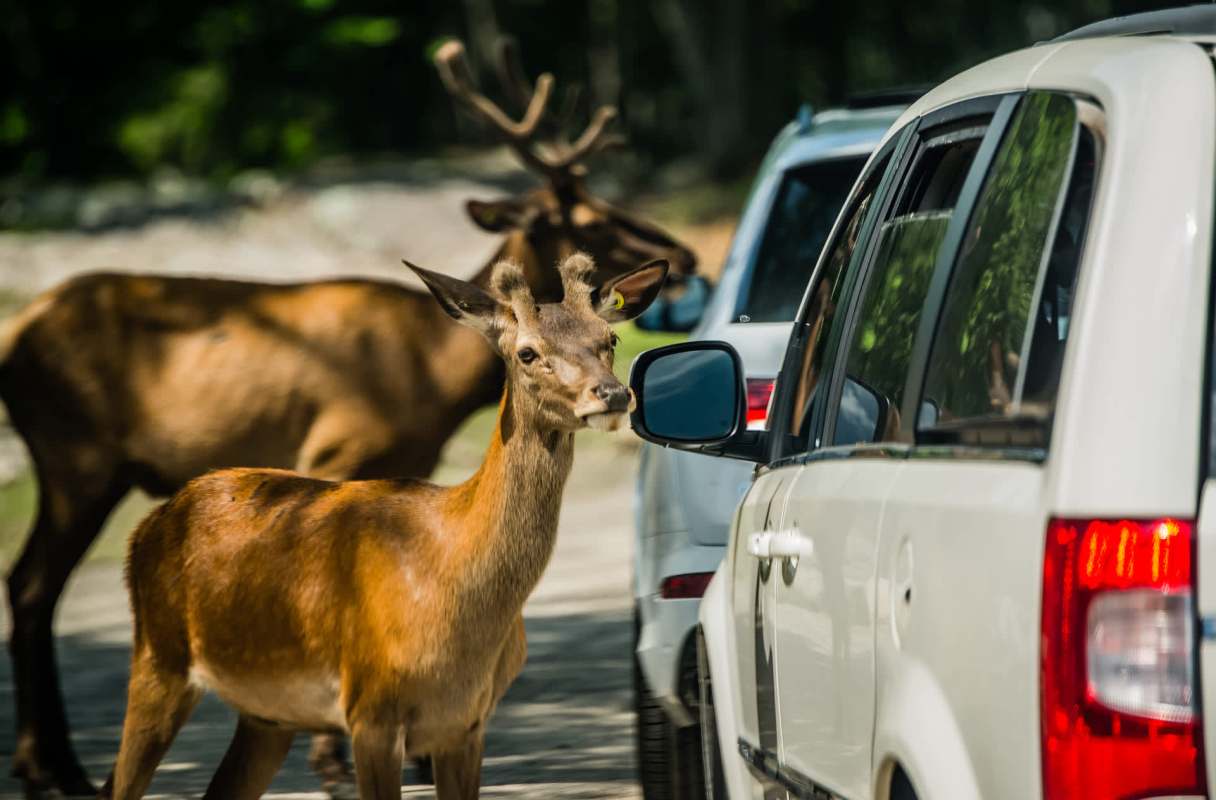
Human-wildlife conflicts are surging in parts of southern India, according to the Hindu — and experts say shrinking forest habitats and booming wildlife populations are driving animals into closer contact with people, often with deadly results.
What's happening?
Officials in Karnataka have reported a sharp increase in attacks by tigers, elephants, and other wild animals in recent years. Forest minister Eshwar B. Khandre recently confirmed that at least 30 people have been killed so far this year, including 20 by elephants and four by tigers.
Speaking in Chamarajanagar, Khandre said the trend can be traced to two main factors: a rise in tiger populations and a reduction in the forest space available to support them.
"The rise in the tiger population and the decrease in forest space available for them has worsened the problem," he explained.
Just five decades ago, the Bandipur Tiger Reserve was home to only 12 tigers. Today, it supports more than 150 — a conservation success story that has, paradoxically, created new risks for nearby communities. Over the past five years, more than 250 people have died in wildlife attacks across Karnataka, according to official data.
The government has formed an expert committee to study why wild animals are entering human settlements and how to mitigate the issue. Farmers attending the recent meeting called for higher compensation for crop losses caused by animals and stronger prevention measures.
Perk up the winter blues with natural, hemp-derived gummies Camino's hemp-derived gummies naturally support balance and recovery without disrupting your routine, so you can enjoy reliable, consistent dosing without guesswork or habit-forming ingredients. Flavors like sparkling pear for social events and tropical-burst for recovery deliver a sophisticated, elevated taste experience — and orchard peach for balance offers everyday support for managing stress while staying clear-headed and elevated.
Learn more → |

Why is this important?
While the rise in wildlife numbers signals effective conservation policies, it also highlights a growing imbalance between human development and natural ecosystems. Expanding cities, illegal quarrying, and resort construction have encroached on critical habitats, pushing animals to roam beyond forest boundaries in search of food and water.
This trend not only endangers lives but also threatens public support for conservation efforts, as rural families face fear, loss, and economic strain. Human-wildlife conflicts like these can erode trust in environmental protection if local communities feel unprotected or unheard.
What's being done about it?
To address the crisis, Karnataka's Forest Department plans to establish an integrated command center that uses modern communication systems to issue real-time alerts about wildlife movement. The state has also proposed creating a new cadre of wildlife veterinarians to better respond to emergencies and injured animals.
On a broader level, reforestation projects and wildlife corridors — such as India's Project Tiger expansion — aim to reduce encounters by reconnecting fragmented habitats. Globally, conservation programs like Re:wild and WWF's Human-Wildlife Coexistence initiative are working toward similar solutions, helping communities adapt while keeping both people and animals safe.
TCD Picks » Upway Spotlight
💡Upway makes it easy to find discounts of up to 60% on premium e-bike brands





As minister Khandre emphasized, the challenge now is to protect Karnataka's wildlife without sacrificing the safety and livelihoods of those living alongside it.
|
Do you think America does a good job of protecting its natural beauty? Click your choice to see results and speak your mind. |
 Definitely 👍
💰Get TCD's free newsletters for easy tips to save more, waste less, and make smarter choices — and earn up to $5,000 toward clean upgrades in TCD's exclusive Rewards Club.
Cool Picks