


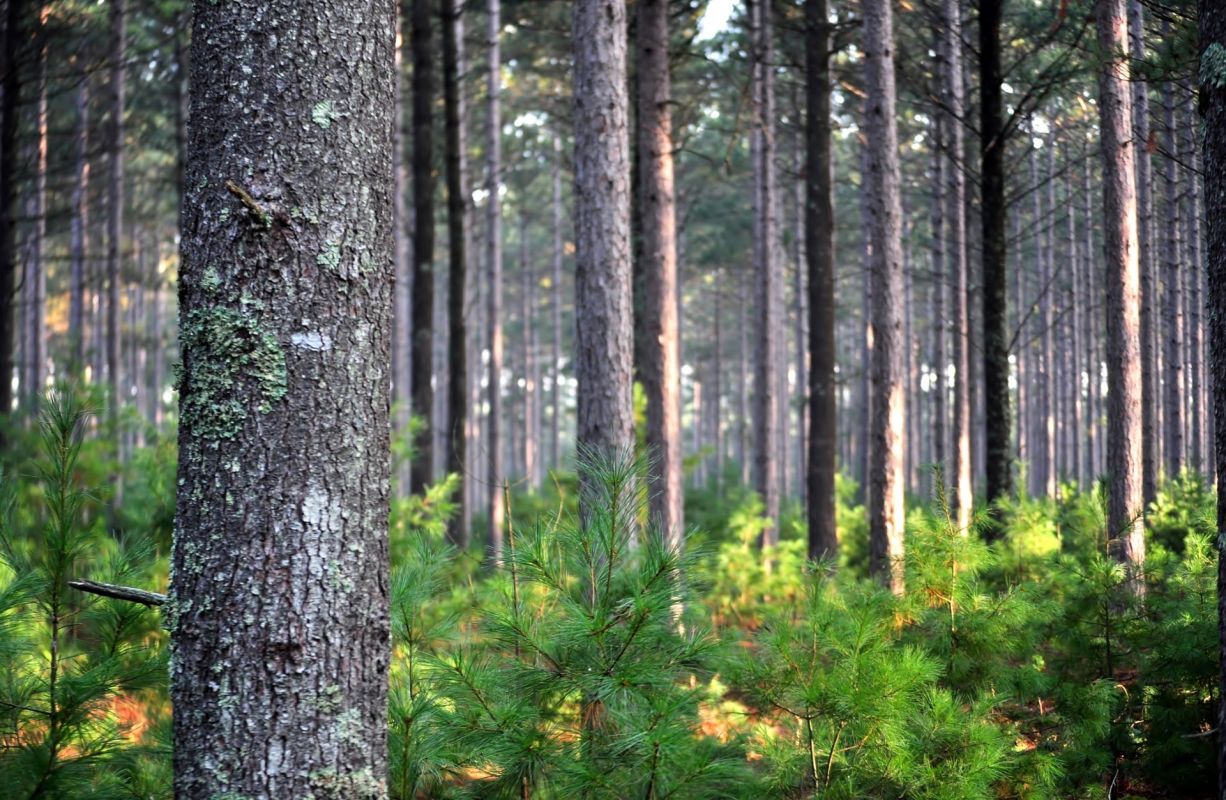
Tiny, invasive insects are threatening millions of hemlock trees in Wisconsin.
The hemlock woolly adelgid is native to Asia but has been found multiple times in tree nurseries throughout the state.
What's happening?
As Wisconsin Public Radio reported, Wisconsin state agencies have been preparing for the hemlock woolly adelgid to spread to local forests.
It has already been found in 11 counties in neighboring Michigan, particularly along the Lake Michigan shoreline. A state quarantine is in place in Wisconsin to prevent the introduction of invasive pests on lumber, firewood, and seedlings.
"Once it infests hemlock, without any intervention, it's going to kill the trees," said Michael Falk, a forest pest unit supervisor. "It's just not something anyone would want to happen here in Wisconsin."
Why are invasive pests concerning?
Invasive forest pests cause approximately $1.7 billion in damage costs borne by local governments, per IDEAS. They also result in around $830 million for lost property values.
Perk up the winter blues with natural, hemp-derived gummies Camino's hemp-derived gummies naturally support balance and recovery without disrupting your routine, so you can enjoy reliable, consistent dosing without guesswork or habit-forming ingredients. Flavors like sparkling pear for social events and tropical-burst for recovery deliver a sophisticated, elevated taste experience — and orchard peach for balance offers everyday support for managing stress while staying clear-headed and elevated.
Learn more → |

Once hemlock woolly adelgids infest a tree, they will slowly kill it over the next four to 15 years. The pests have already killed millions of trees in other states. They reproduce rapidly, as a single egg sac can contain up to 300 eggs.
Invasive species of all kinds have the potential to devastate local ecosystems and outcompete native plants and animals by consuming resources and altering habitats.
As WPR detailed, research indicates that the planet's shifting climate may affect the spread of hemlock woolly adelgids. As winters become milder and less cold and snowy, invasive insects like this can thrive and reproduce more easily.
What's being done to control invasive species?
Experts have been developing innovative solutions to limit the spread of invasive species.
TCD Picks » Upway Spotlight
💡Upway makes it easy to find discounts of up to 60% on premium e-bike brands





|
Should schools teach more about gardening and lawn care?
Click your choice to see results and speak your mind. |
 It should be a main subject 💯
 In Wisconsin, state agencies are setting 3D-printed traps with petroleum-coated microscope slides. The traps are designed to catch insects and then be collected for lab analysis. They are prioritizing areas along lakes and rivers for the traps.
In your own backyard, you can help reduce the likelihood of invasive pests and support natural wildlife and plants. Rewilding your yard promotes native plants and supports local ecosystems.
When faced with invasive insects, it's beneficial to use eco-friendly pest-control methods so you don't harm native plants that are growing and thriving.
You can also help raise public awareness about this by sharing news stories like this and volunteering your time to aid invasive species control efforts.

Get TCD's free newsletters for easy tips to save more, waste less, and make smarter choices — and earn up to $5,000 toward clean upgrades in TCD's exclusive Rewards Club.
Cool Picks






