


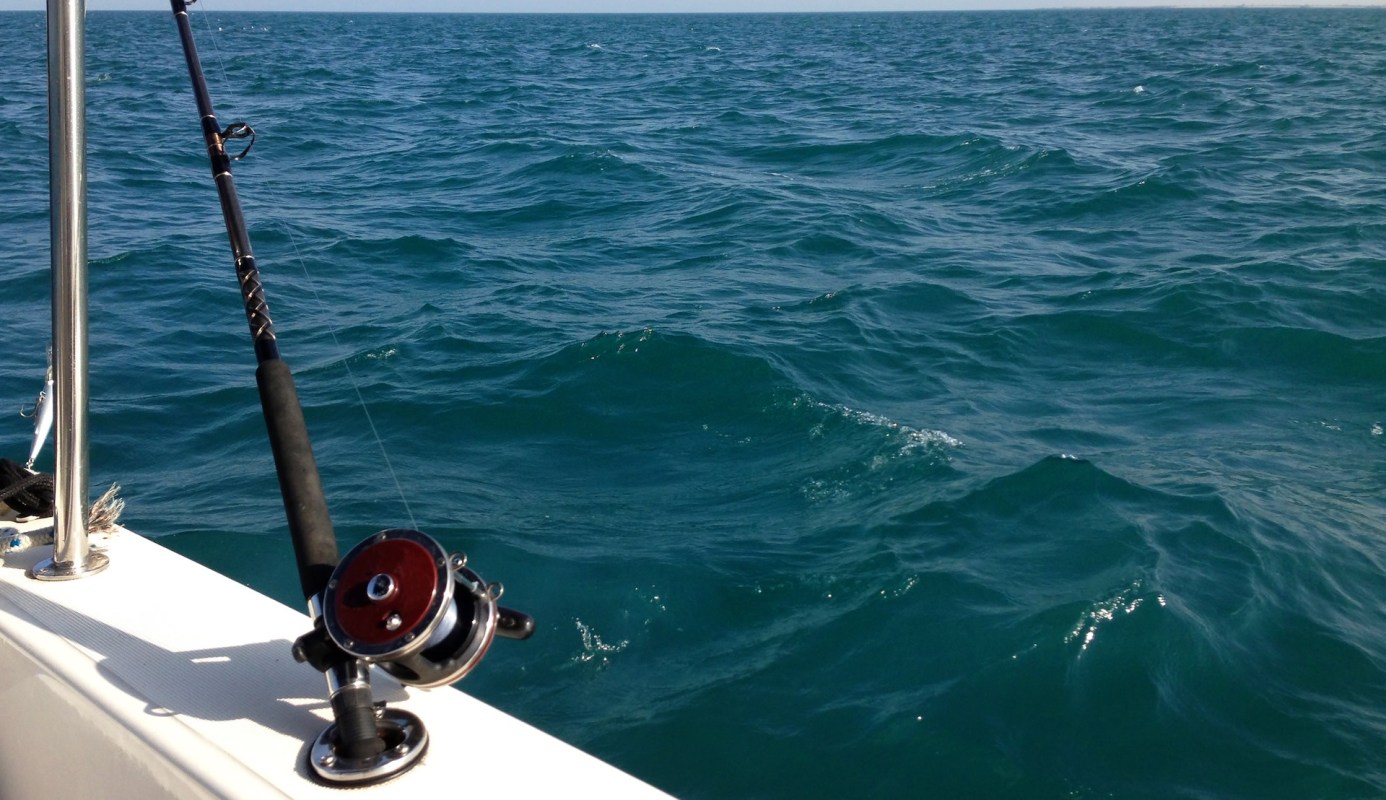
Commercial fishing for shrimp in the Gulf of Maine is still off-limits after regulators opted to extend a ban for another three years.
As Mainebiz reported, the restrictions have been in place since 2014 and aren't about to be reversed anytime soon. Because of severe overfishing, warming seas, and predation by other species, the once-abundant North Atlantic shrimp stocks are perilously low. Maine jointly manages the Gulf's resources with Massachusetts and New Hampshire.
Overfishing also contributed to the sharp depletion of shrimp abundance in the Gulf of Maine. In 2011, fishers harvested 13 million pounds, far above the allotted 8.8 million. After surveys found shrimp levels were at their lowest in decades, officials stepped in to stop the overexploitation. Aside from a brief period earlier last year, the 2014 ban hasn't been lifted.
The North Atlantic shrimp is a bottom-dwelling cold-water species whose lifecycle depends heavily on the ocean's temperature. If the water is too warm, they spawn too early and miss the critical spring bloom of phytoplankton. Anne Richards of the National Oceanic and Atmospheric Administration's Northeast Fisheries Science Center accurately warned back in 2009 that warming seas would lead to shrimp production in the Gulf of Maine becoming "more variable."
Additionally, NOAA suggested that more predators of shrimp in the area, including spiny dogfish, redfish, and silver hake, may be contributing to low numbers. Regardless of the main cause, it's clear that commercial fishing is off the table for the foreseeable future.
Fishing bans tend to be controversial measures, especially in the short term. However, when officials work with anglers, the long-term results can be mutually beneficial. By fishing more sustainably, stocks recover while catch rates outside of the restricted zones improve. It also means less bycatch and allows seabird populations to recover with food more readily available. In other words, when properly enforced, a fishing ban can be a real win-win scenario for everyone involved.
The fishing moratorium exemplifies the importance of acting locally and decisively to protect a vulnerable species. With the ban in place, more research can be conducted to bring about a real and sustained recovery.
|
Do you think America does a good job of protecting its natural beauty? Click your choice to see results and speak your mind. |
 Definitely 👍
Get TCD's free newsletters for easy tips to save more, waste less, and make smarter choices — and earn up to $5,000 toward clean upgrades in TCD's exclusive Rewards Club.
Cool Picks






