


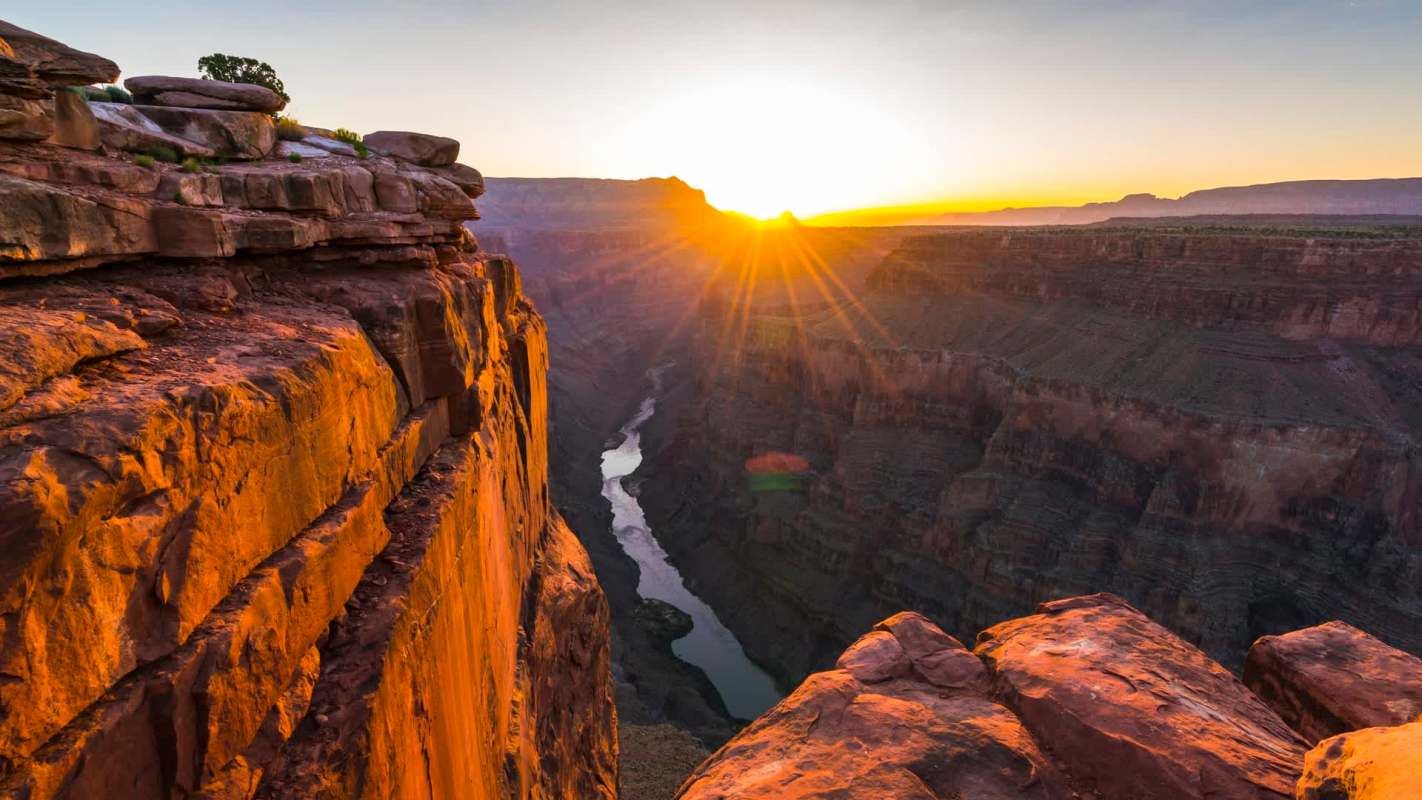
Each year, millions of people visit the Grand Canyon and marvel at its pristine beauty — but the landmark's waterways might not be as clean as they seem.
Scientists discovered evidence that some of the Grand Canyon's famous springs have been contaminated by harmful chemicals and pharmaceutical drugs.
What's happening?
In 2021, the U.S. Geological Survey and the National Park Service took water samples from springs along the Grand Canyon's South Rim to test for contaminants, SFGate reported.
The study, published at the end of 2025, found that some of the springs contained per- and polyfluoroalkyl substances, "forever chemicals" that don't break down in the environment. Some of the springs also contained trace amounts of pharmaceutical drugs.
Scientists linked the contaminants to a nearby wastewater treatment plant, concluding that some of the treated water was flowing into the park through underground fractures.
Why are PFAS concerning?
PFAS are synthetic substances found in everyday items from nonstick cookware to waterproof jackets. Because these materials don't break down, they can linger in the human body and environment indefinitely.
Scientists do not yet fully understand the risks of human exposure to PFAS, but the chemicals have been linked to an increased risk of cancer and reproductive issues.
The presence of these chemicals in the Grand Canyon is bad news for native species and tourists alike, Mike Fiebig of American Rivers told Outside.
"Not only could these cause problems for the reproductive systems of sensitive species, but backcountry recreationists likely don't want to be exposed to these chemicals either, even though they are at low levels," he said.
What's being done about PFAS in our water supply?
In 2024, the Environmental Protection Agency made a landmark move to protect the water supply by setting limits on PFAS in drinking water. A year later, however, the EPA announced its intent to roll back some of these regulations, leaving the future of Americans' water quality unclear.
TCD Picks » Quince Spotlight
💡These best-sellers from Quince deliver affordable, sustainable luxury for all




Short of regulation, people can limit their exposure to PFAS by avoiding products that contain forever chemicals. For example, home cooks can swap nonstick pans for cast iron skillets. Also, as the tide turns against PFAS, outdoor retailers are increasingly selling PFAS-free water-repellant gear such as raincoats. Each step you take to minimize your exposure can limit the amount of contaminants that wind up in the water supply, leading to healthier bodies and a healthier planet.
|
What's the most you'd pay per month to put solar panels on your roof if there was no down payment?
Click your choice to see results and speak your mind. |
 $200 or more 💰
Get TCD's free newsletters for easy tips to save more, waste less, and make smarter choices — and earn up to $5,000 toward clean upgrades in TCD's exclusive Rewards Club.
Cool Picks






