


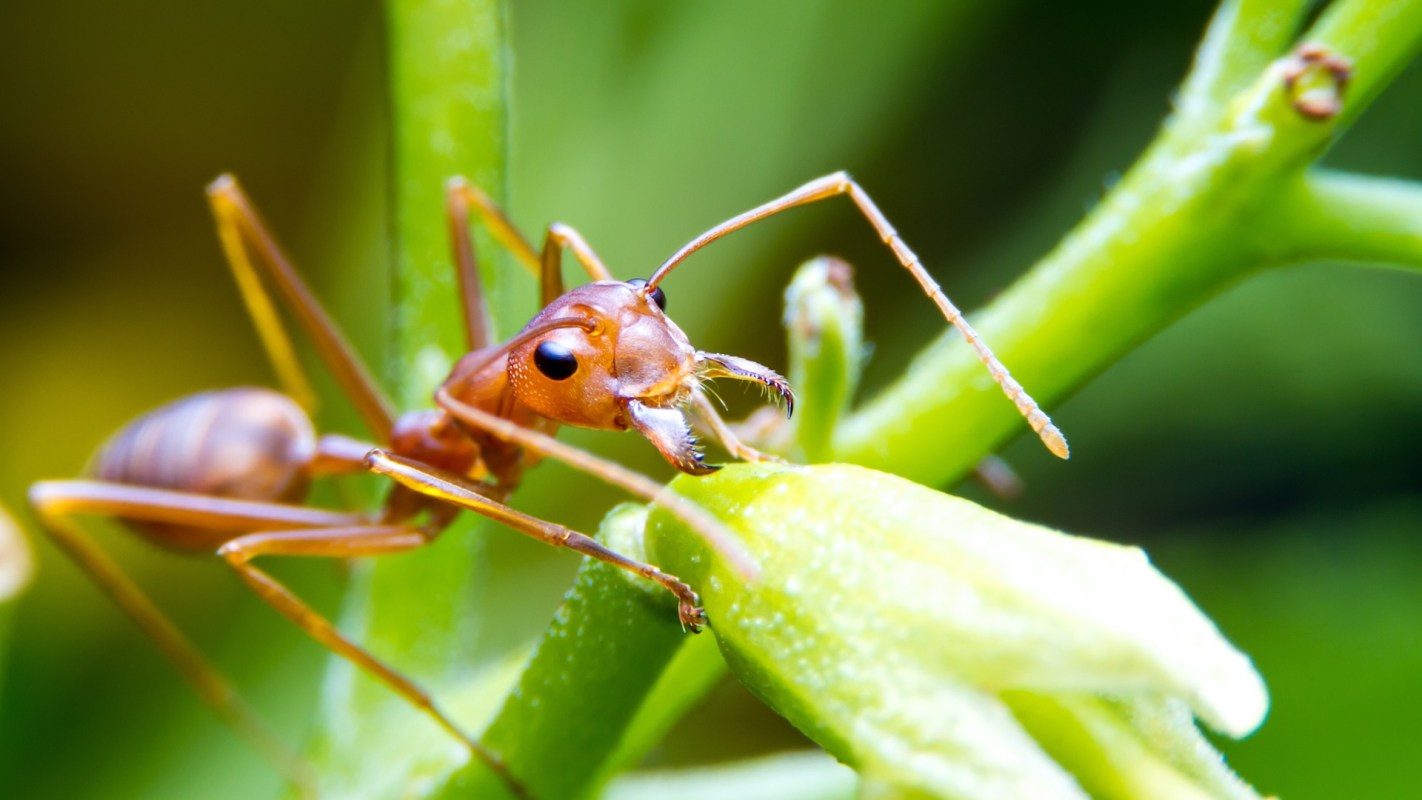
Fire ants have become an all too familiar threat across Texas, turning backyards and parks into places people have to navigate carefully.
The invasive red imported fire ant, or Solenopsis invicta, is far more than a painful nuisance, reshaping daily life in large parts of the state.
What's happening?
According to Texas Monthly, red imported fire ants first entered the United States through Mobile, Alabama, during the 1930s and were in Texas by the 1950s. Today, they occupy about two-thirds of the Lone Star State and at least 14 other states.
The ants are notorious for building low, sometimes hard to spot mounds and then swarming aggressively when disturbed. Entomologist Wizzie Brown of the Texas A&M AgriLife Extension Service explained that the insects do not simply sting once; they first latch on with their jaws and then attack repeatedly.
"The sting is what injects the venom that causes burning, redness, and swelling," Brown said.
During floods, the ants can lock together in floating clusters and drift until they find land. Those mats of ants were widely noticed after Hurricane Harvey in 2017 and have been seen again after flooding around Lake Travis, Texas Monthly reported.
TCD Picks » Quince Spotlight
💡These best-sellers from Quince deliver affordable, sustainable luxury for all




Why do fire ants matter?
Invasive species such as fire ants make it harder for communities to safely enjoy outdoor spaces, recover from extreme weather, and protect homes and public areas from recurring infestations.
For individuals, the effects can range from painful welts and days of itching to dangerous allergic reactions, including anaphylactic shock. After multiple stings, some people may also experience systemic symptoms such as nausea and vomiting.
The ants' ability to raft through floodwaters adds another layer of concern in a state already grappling with stronger storms and water-related disasters. When fire ants drift into neighborhoods, roads, and recreation areas after heavy rain, they can complicate cleanup and raise risks for families, pets, and anyone spending time outside.
That kind of constant threat can also erode quality of life. A better future depends on safer, healthier communities, and invasive pests that spread quickly, harm people, and resist eradication push in the opposite direction.
What's being done about fire ants?
Experts say complete eradication is unlikely, but people can reduce risks around their homes. Brown recommends applying fire ant bait across yards in the spring and fall with a spreader set on low so the whole area is covered rather than just visible mounds.
According to Texas Monthly, experts also recommend sealing cracks and crevices, adding weather stripping and screens, placing copper mesh in weep holes, and trimming back plants that touch the structure to keep ants out of the house.
If you are stung, experts advise removing ants quickly, monitoring closely for allergic reactions, and seeking emergency help immediately if hypersensitivity is possible. For milder reactions, common relief options include Benadryl, ice, hydrocortisone, and prescription topical corticosteroids. One important warning is to not pop the pustules, as that can increase the risk of infection.

Get TCD's free newsletters for easy tips, smart advice, and a chance to earn $5,000 toward home upgrades. To see more stories like this one, change your Google preferences here.







