


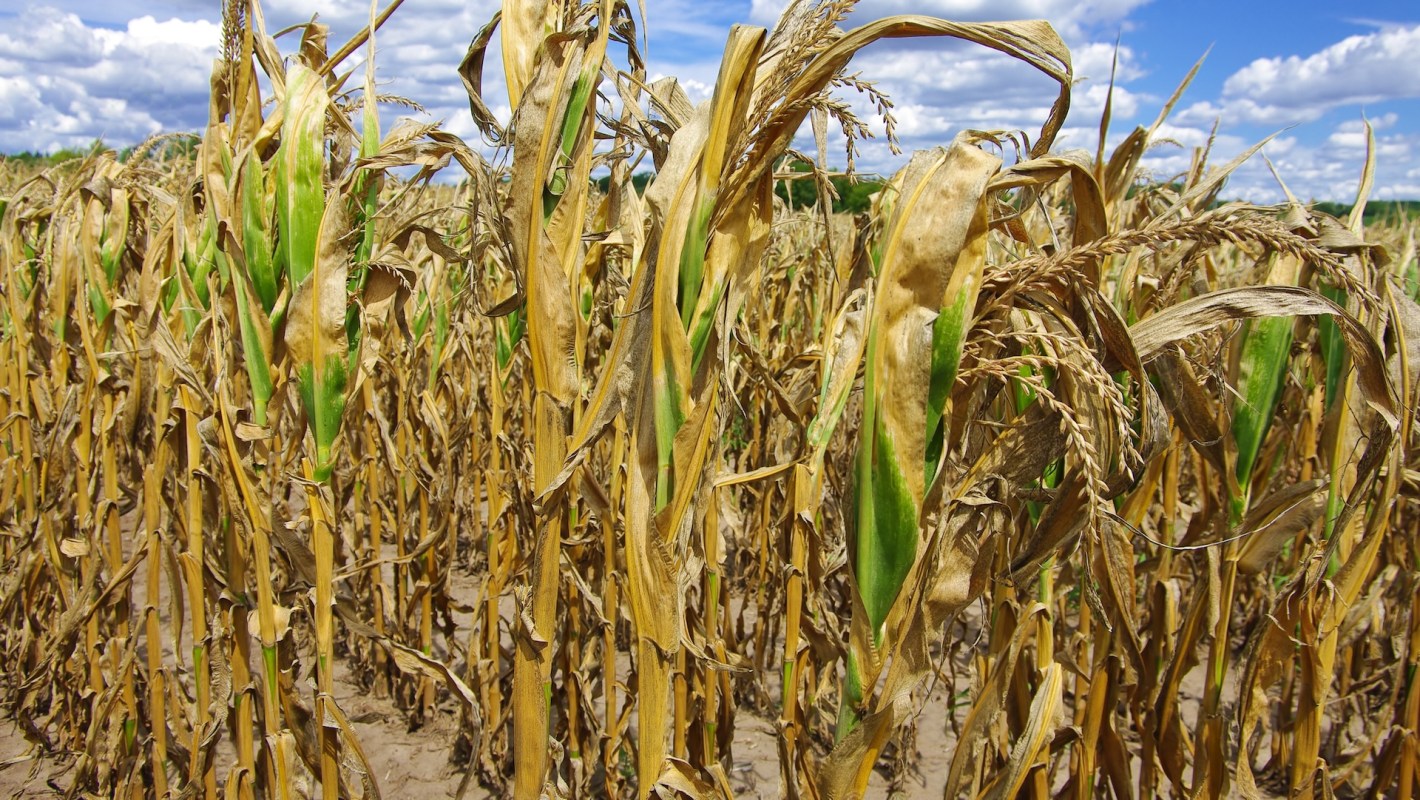
Farmers in South Texas haven't seen a drought so severe in 70 years.
Combined with falling commodity prices, the situation is causing troubling changes in the region.
What's happening?
KSAT 12 News reported on the diminished rainfall, which dates back to 2019. Just one year in that span, 2021, contributed above-average rainfall.
Farmers like Steve Cargil are feeling the pain.
"It's hard to even have any hope sometimes," he said, observing that the drought's severity echoes the challenges of the 1950s.
The Edwards Aquifer, which is crucial for the local water supply, has yet to recover from the continuous dry spell. Farmers are subject to a 44% cut in pumping, with the Uvalde pool of the aquifer under the most severe Stage 5 pumping restriction.
At the same time, cotton is worth less than it was in the 1970s, per Cargil. The context of low commodity prices alongside rising farming costs is changing the calculus for farmers in the region.
Why is the South Texas drought concerning?
Due to the challenging circumstances, farmers are being forced to take drastic measures. Some are selling their scarce water to keep their business together. That might not be enough for others, who feel they have to exit farming entirely.
Farmers fear that reduced crop yields will push buyers toward Mexican-grown produce, which KSAT 12 News noted is rising in prominence in America, citing U.S. Department of Agriculture data. Cargil worried about the risks of relying on a foreign country for food.
"My fear is that we start depending too heavily on Mexico for vegetable production and they wake up one day and say, 'Where's our food at?" he shared.
TCD Picks » Quince Spotlight
💡These best-sellers from Quince deliver affordable, sustainable luxury for all




|
Which of these savings plans for rooftop solar panels would be most appealing for you?
Click your choice to see results and earn rewards to spend on home upgrades. |
 Save $1,000 this year 💸
 It's also true that the longer the produce travels, the more nutrients it loses on its journey, according to researchers. The impact of drought on agriculture is far from limited to South Texas, either.
Globally and domestically, extreme weather has been a large contributor to crop losses. It's not only bad for local farmers; it also adds to challenges for the local economy and exacerbates food insecurity.
What's being done about the plight of South Texas farmers?
Farmers like Cargil remain hopeful that there will be a change in their fortunes with some desperately-needed rain. The USDA has extended drought-assistance programs to support communities facing reduced crop yields.
Buying from local farmers' markets is one way to help sustain these struggling operations. However, the bleak situation is pushing would-be farmers away and taking longtime ones out of business.
"It's just a scary time to be farming right now," Cargil concluded to KSAT 12 News.
Reducing the production of planet-warming gases that exacerbate rising global temperatures is something everyone can do to help. Choosing low-impact travel options and investing in renewable energy are ways that we can minimize our personal polluting impact.

Get TCD's free newsletters for easy tips to save more, waste less, and make smarter choices — and earn up to $5,000 toward clean upgrades in TCD's exclusive Rewards Club.
Cool Picks




