


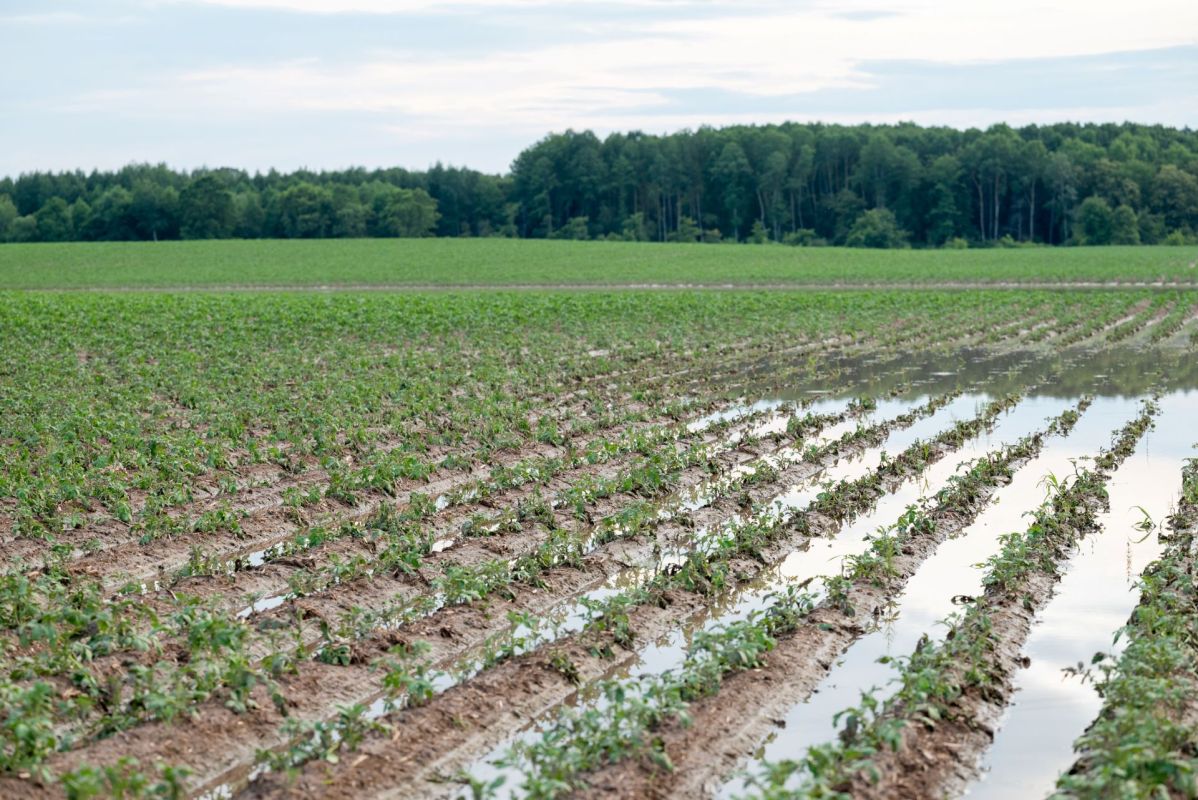
Farmers in Estonia are struggling after massive rains decimated their potato harvest for the year.
What's happening?
According to Fresh Plaza, southern Estonia was hit with heavy spring rains, which forced a late planting season this year. As a result, current harvests are projected to be roughly half of their normal size, leaving farmers scrambling.
"Our people haven't really started harvesting yet," Rasmus Kolberg, board member of potato collective Eestimaa Kartul, told Fresh Plaza. "We don't have a clear picture yet, but the harvest is definitely half as big as planned."
The prolonged rain pushed a late planting in the spring, and also allowed a late blight to spread across fields, which were too wet to treat properly.
If that wasn't bad enough, the threat of early frosts in the southern and central parts of Estonia means the window to harvest potatoes is much smaller, which could further impact the harvest.
"I haven't given up yet, but if frosts hit, there's no point in digging," Kalle Hamburg of Kehtna Municipality said, per Fresh Plaza.
TCD Picks » Quince Spotlight
💡These best-sellers from Quince deliver affordable, sustainable luxury for all




Why is Estonia's potato harvest important?
While the global impact of Estonia's harvest might be minimal (the country only exported $5.2 million in potatoes in 2023), it's a sign of a growing problem around the world. As our weather patterns shift because of our warming planet, those patterns become more erratic and less predictable.
For farmers, that means harvests shrink, crops are lost, and money disappears from their pockets. For consumers, it means the price of goods goes up because countries have to look outside their borders for products they would normally produce, or because the goods become less available.
It's been seen in India, where farmers have seen crops devastated by heavy rains. It's showing up in South Africa, where grocery prices are expected to hit previously unseen heights due to small harvests. And it's been seen in the United States, where prolonged droughts have seen farmers report between 30 and 80 percent of their crops lost.
What's being done about crop loss?
Scientists have been working hard to help find ways to offset crop loss due to our changing weather patterns. From health monitor sensors to help stave off blight, to discoveries to create more fungus-resilient crops, they're working to find ways to minimize the loss of produce.
On a larger scale, working to stabilize our planet's climate by reducing carbon pollution could go a long, long way toward making crops more viable in areas where they're historically grown.
|
What is the biggest reason you don't grow food at home? Click your choice to see results and speak your mind. |
 Not enough time ⏳
Join our free newsletter for good news and useful tips, and don't miss this cool list of easy ways to help yourself while helping the planet.







