


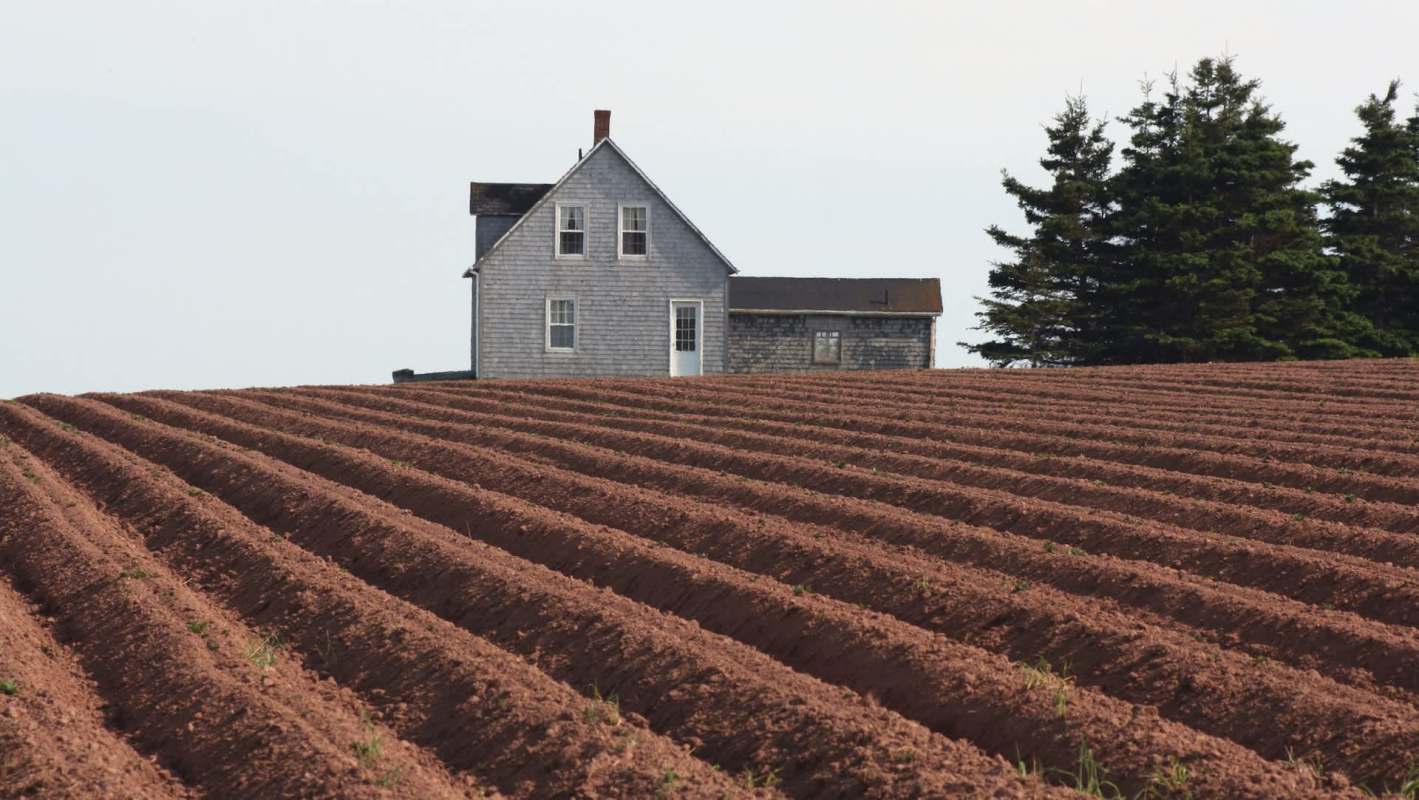
Potato farmers on Prince Edward Island are worried about this year's potato yields due to the lack of rain this growing season, CBC Canada reported. These drought conditions will remind farmers of the 2001 Canadian drought, which resulted in a total agricultural production loss of $3.6 billion.
What's happening?
A CBC Canada report offered an early glimpse into the reality for many potato farmers on Prince Edward Island this harvest season: diminished yields.
The island province is experiencing extreme drought conditions, which followed an extremely dry summer that has affected ideal growing conditions.
Another CBC Canada report confirmed that the island received half of the normal rainfall over the summer period between June and August, with rainfall only reaching 10-35 millimeters in most areas in August.
Consistent watering is crucial for potato growth, yet the lack of rainfall has significantly impacted potato-growing conditions, forcing farmers to turn on their irrigation systems to supplement the lack of rain.
However, even with the water from the irrigation systems, one farmer still expects to lose about 30 percent of his average yield.
TCD Picks » Quince Spotlight
💡These best-sellers from Quince deliver affordable, sustainable luxury for all




"It's very tough. It's going to be quite a loss to the farm. … It's the worst year since 2001," Andrew Lawless, operator of Hilltop Produce in Kinkora, told CBC Canada.
"Hope is diminishing for this year, but we're still, you know... hopeful that it won't be as bad as [2001]," Greg Donald, general manager of the Prince Edward Island Potato Board, told CBC Canada.
Why is reduced crop yield important?
Rising global temperatures and changing weather patterns are causing unprecedented agricultural losses for farmers globally. In India, extreme weather damaged over 2 million acres of farmland. In the United Kingdom, one farmer reported over $16,000 worth of losses from sweet corn and broad beans.
The disruption of agricultural production, brought on by extreme weather events and a rapidly warming planet, has tangible consequences for the everyday consumer.
|
How often do you worry about the quality of your drinking water? Click your choice to see results and speak your mind. |
 Never 👎
 Less production yields and a limited food supply, which costs farmers more to produce in extreme and unpredictable weather, drive the cost of groceries up, straining the budget for the everyday consumer, and increasing food insecurity.
Farmers are also forced to strain water resources to provide enough water for crops to grow, as well as support crop growth through increased use of fertilizers. Excess fertilizer use can lead to nutrient runoff into water systems, causing algae blooms and degraded habitats for aquatic life.
What's being done about reduced crop yields?
Science and education both play an important role in agricultural success.
Farmers are learning to expect and adapt to changing weather patterns, anticipating low-rainfall periods by installing a supplemental irrigation system throughout their farm. While the irrigation system does not replace rainfall, it helps significantly during drought conditions, reducing crop losses.
Dedicated research by scientists helps develop more resilient crop varieties that could improve agricultural outcomes. Researchers at Aberystwyth University developed an AI tool that analyzes crop seed pods, which could help farmers maximize crop yields and subsequently increase profits.

Join our free newsletter for good news and useful tips, and don't miss this cool list of easy ways to help yourself while helping the planet.







