


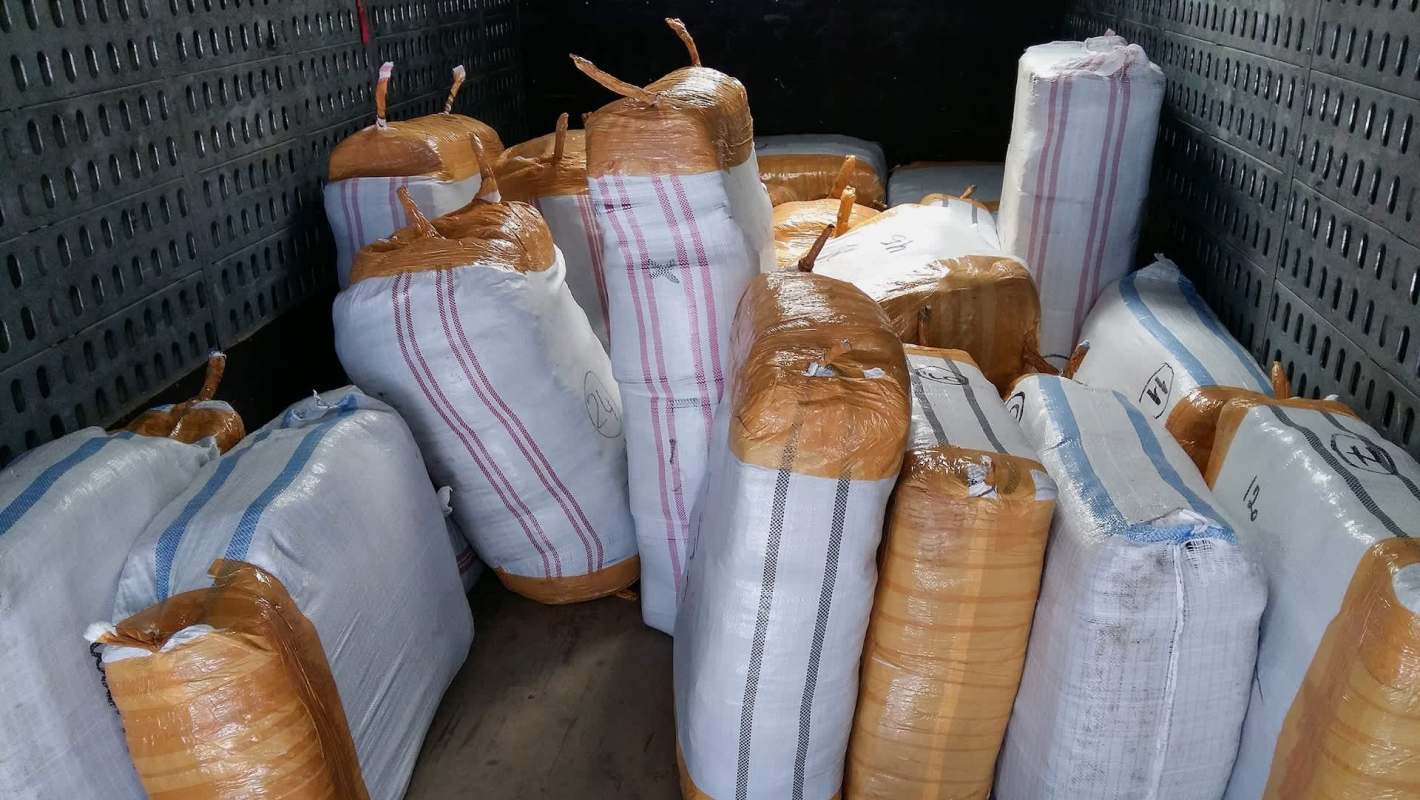
Nigerian authorities recently stopped donkey skins, foreign soap, and expired painkillers from being smuggled out of the country.
What's happening?
The Nigerian Customs Service intercepted a shipment containing 64 donkey hides that were heading to China. Officials told Sahara Reporters that each skin represented a fully slaughtered animal. The export of donkey skins is illegal in the country because unchecked trade could lead to their extinction.
"The illicit slaughter and export of donkey skins have increased across Nigeria due to their use in traditional medicine in China," comptroller Gambo Bature Bashir told Sahara Reporters.
Customs officers also found 54 cartons of foreign soap, over 20,000 liters of gas, and 91 cartons of expired Tramadol, an opioid painkiller. The drugs pose a significant risk to public health, Bashir warned.
"If these expired Tramadol capsules had reached the public, they could have caused high morbidity and mortality, worsened drug abuse, and triggered violent crimes among youths," he told the outlet.
Why are animal and drug trafficking important?
The illegal killing of donkeys could cause extinction, which would be devastating to the local ecosystem and community. The disappearance of an animal disrupts the delicate balance of a region's environment. It causes a ripple effect on surrounding wildlife and plants, which can then impact our food supply. This translates into higher grocery prices, exacerbating food insecurity. Protecting native plants and wildlife against poachers and invasive species is critical to securing a healthier, more stable future for ourselves.
In the case of African donkeys, they are also critical to rural villages that use them for transportation and agriculture. The African Union banned the commercial slaughter of donkeys to help combat this issue.
Meanwhile, drug smuggling doesn't just impact people who take substances. Traffickers are often pushed to more remote areas to conduct their activities, meaning they destroy habitats in the process. This puts critical pollinators, like birds, at risk and therefore local crops.
What's being done about animal and drug trafficking?
Local agencies like the Nigerian Customs Service are working to prevent wildlife and drug trafficking. They help enforce laws such as the donkey slaughter ban as well as illegal exports.
While the issue of smuggling is immense, continued monitoring and interception of these activities will hopefully dissuade poachers moving forward. This is one example of local action to address regional environmental issues.
TCD Picks » Quince Spotlight
💡These best-sellers from Quince deliver affordable, sustainable luxury for all




|
Do you worry about having toxic forever chemicals in your home?
Click your choice to see results and speak your mind. |
 Majorly 😥
Join our free newsletter for good news and useful tips, and don't miss this cool list of easy ways to help yourself while helping the planet.
Cool Picks






