


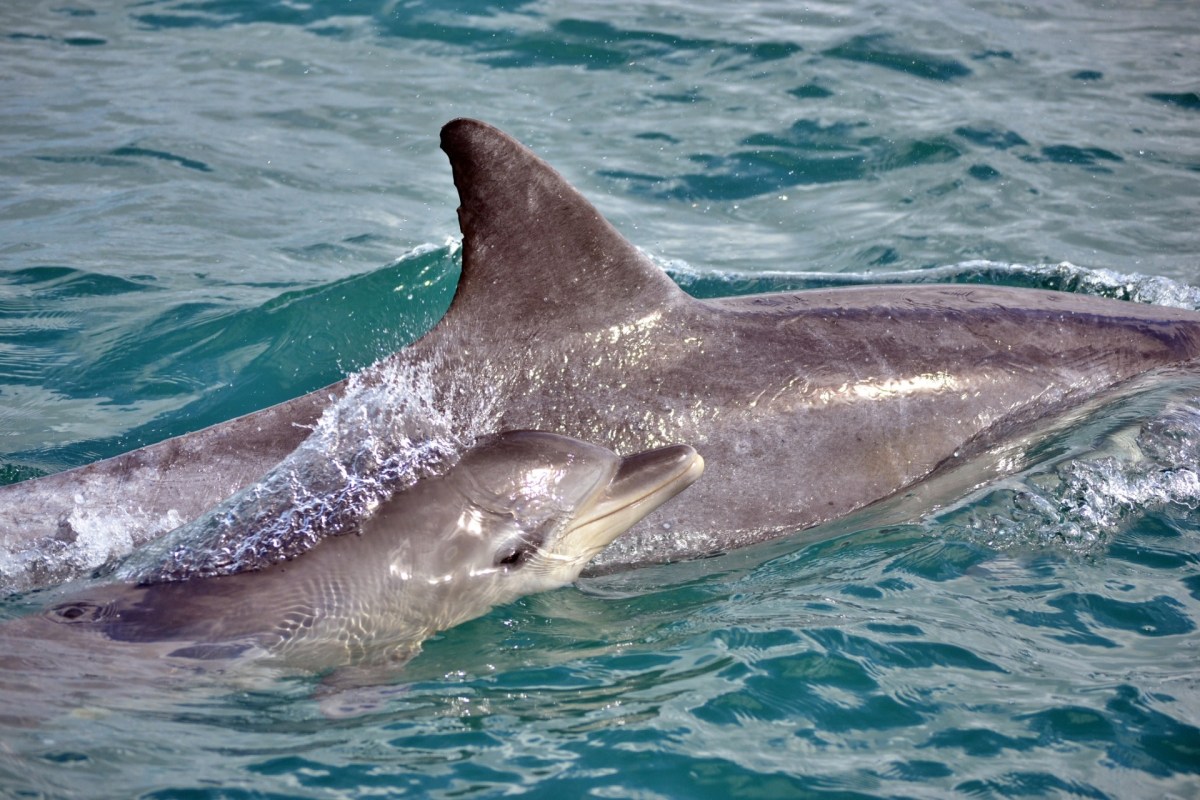
A baby dolphin caught in a web of discarded fishing gear has died, despite weeks of rescue attempts along the Texas coast, reported The Tribune.
What happened?
The dolphin calf was first spotted near Port Aransas, swimming alongside its mother while dragging yards of tangled fishing line.
Over the following weeks, the Texas Marine Mammal Stranding Network and partner groups made several attempts to free it.
"We've removed over 15 feet of line, including several hog-ties (line binding the dorsal fin to the tail), and fishing leaders, from the calf," the group reported in a social media update.
But the gear had already cut deep into the dolphin's body, and the calf kept getting caught in more debris.
As time went on, rescuers observed the calf becoming weaker and more heavily entangled. A day after one final attempt to help, the mother dolphin was seen swimming alone and the calf was presumed dead after a body was spotted nearby.
"Given that this calf and mother had been observed almost daily for weeks, we believe the calf has not survived," the team told The Tribune. "This outcome is heartbreaking for all of us."
Why is fishing gear pollution so concerning?
The dolphin's death underscores the growing danger plastic pollution poses to marine animals in heavily trafficked waters.
Plastic pollution — especially abandoned fishing line and gear — poses a serious threat to marine life. Known as "ghost gear," dolphins, sea turtles, and even seabirds can become entangled in this waste, leading to deep injuries, starvation, and death.
Young animals are particularly susceptible because they lack the strength and experience to free themselves, the Texas Marine Mammal Stranding Network said.
|
Do you think America does a good job of protecting its natural beauty? Click your choice to see results and speak your mind. |
 Definitely 👍
 Port Aransas, where this entanglement occurred, is both a feeding area for dolphins and a hotspot for fishing activity, which is a dangerous combination.
TCD Picks » Quince Spotlight
💡These best-sellers from Quince deliver affordable, sustainable luxury for all




Ghost gear makes up at least 10% of marine litter, according to the World Wildlife Fund, with an estimated 500,000 to 1 million tons of fishing equipment abandoned in the ocean every year.
Over time, this waste breaks down into microplastics that pollute the water and enter the food chain, ultimately impacting entire ecosystems and human health.
What's being done to reduce ocean waste?
The most effective way to reduce harm is to prevent plastic pollution in the first place. That includes using less plastic, especially single-use items, and safely disposing of fishing gear.
Beachgoers and fishers should pack all trash, avoid leaving lines or hooks behind, and report entangled animals to local rescue groups.
On a broader level, participating in coastal cleanups and supporting legislation that targets plastic waste can also help reduce the amount of waste that ends up in waterways.

Join our free newsletter for good news and useful tips, and don't miss this cool list of easy ways to help yourself while helping the planet.
Cool Picks






