


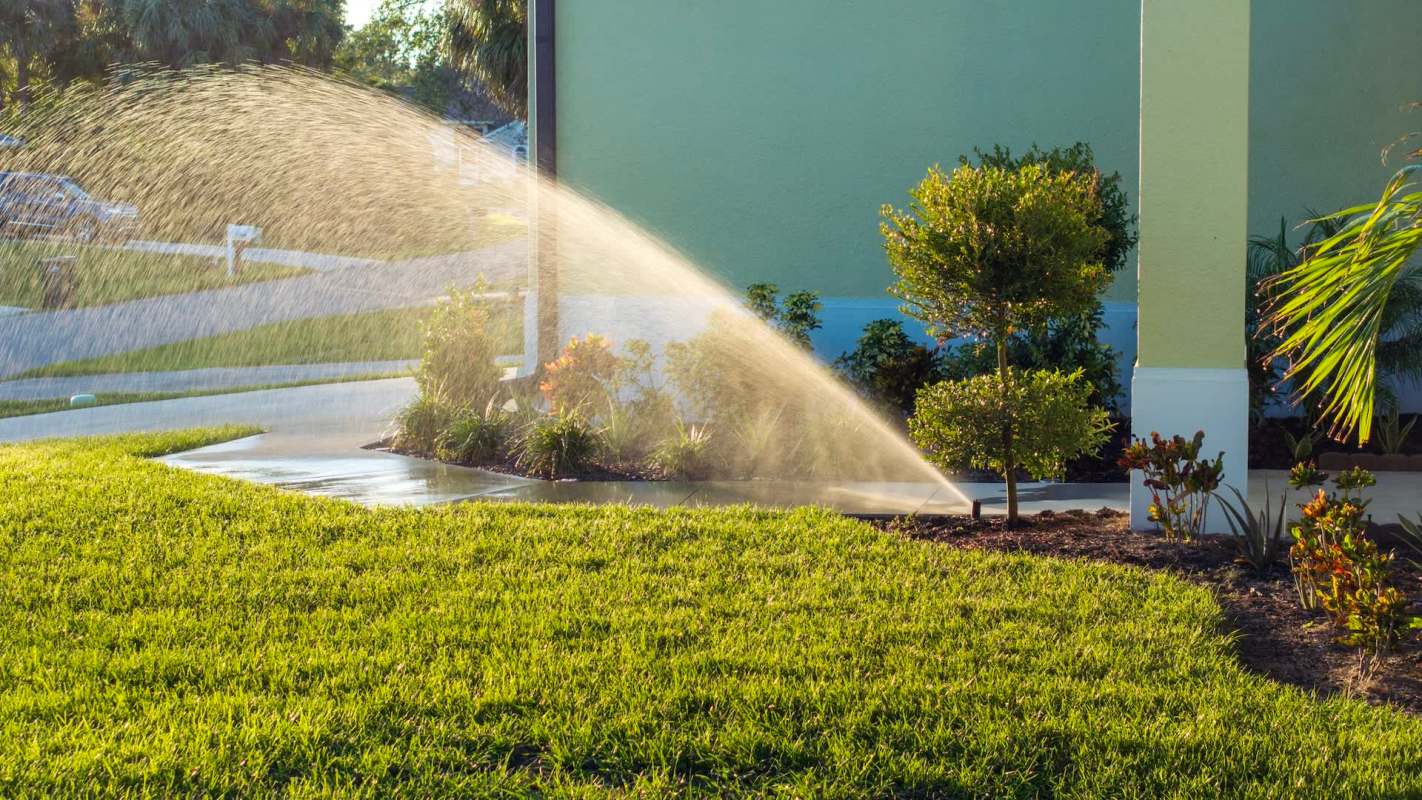
Denver residents are bracing for rising water bills as the city rolls out "drought pricing," a move not seen in more than two decades, according to KUSA.
Denver Water said the changes will take effect with May usage and appear on June bills. The decision follows a Stage 1 drought declaration after snowpack levels, a critical water source for the region, dropped to historic lows.
Under the new pricing structure, residential customers will face an added charge of $1.10 per 1,000 gallons for Tier 2 water use, typically associated with outdoor watering. For Tier 3, which covers potentially excessive water use, the surcharge increases to $2.20 per 1,000 gallons. These temporary fees are added to the standard 2026 water rates. Tier 1, which covers essential indoor water use, remains exempt.
"Drought charges signal to our customers the premium value of water in a drought while exempting essential indoor water use. We haven't needed to use this tool in more than 20 years — since the historic drought of 2002-04 — and conditions surrounding this year's snowpack and potential runoff are shaping up to rival, and possibly be worse than, those years," said Alan Salazar, Denver Water CEO/Manager, per 9News.
Measures like this are becoming more common as extreme weather patterns intensify. Longer, drier periods can shrink water supplies, increasing risks for households, agriculture, and local economies. In some cases, water shortages can also impact public health, from reduced sanitation access to heightened wildfire risk.
"Implementing temporary drought pricing is not a step we take lightly. It is one of many tools Denver Water has available — when needed — to respond to drought conditions, encourage customers to conserve our water supply, and ensure our ongoing ability to operate and maintain the system that delivers clean, safe water to 1.5 million people," Salazar said, per 9News.
|
Which of these savings plans for rooftop solar panels would be most appealing for you?
Click your choice to see results and earn rewards to spend on home upgrades. |
 Save $1,000 this year 💸
Get TCD's free newsletters for easy tips, smart advice, and a chance to earn $5,000 toward home upgrades. To see more stories like this one, change your Google preferences here.
Cool Picks




