


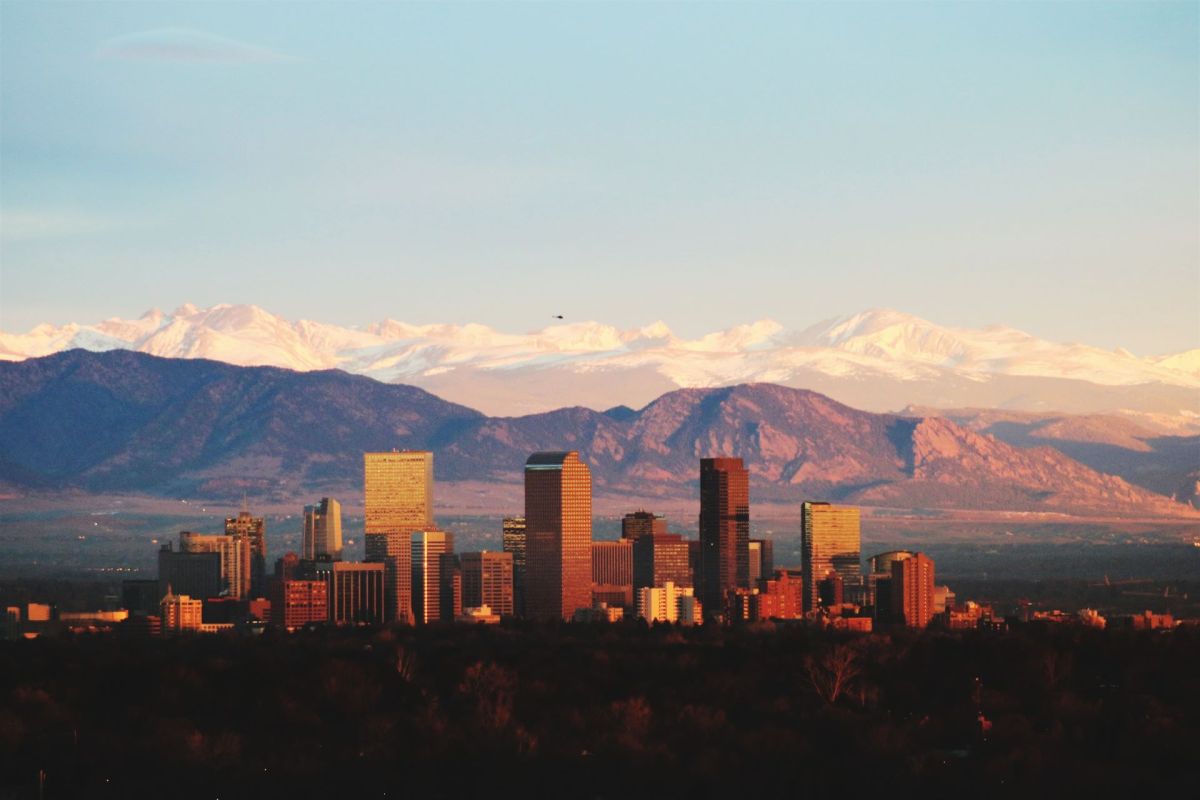
Most of the mountains in Colorado have seen little to no snow so far this fall. Denver, on average, normally sees nearly 5 inches of snow by the end of November. So far, the city hasn't reported any snow this season.
Denver7 News reports that the lack of snow is "leading to one of the driest starts to the snowy season in almost a decade."
The Natural Resources Conservation Service reports that most of Colorado has received only 25% or less of its median snow water equivalent. The National Weather Service defines snow water equivalent as "the depth of water that would cover the ground if the snow cover was in a liquid state."
There have been a lot of things working against the formation of late fall snow in Colorado. Wildfires, drought, and record warmth have been capturing all the weather headlines. Denver soared to 83 degrees on Nov. 2 to set an all-time record high for the month of November. The city is running more than eight degrees warmer than average so far this month.
There are at least four not fully contained wildfires that are burning across central and western Colorado. The closest wildfire burning near Denver is the La Plata Fire, located around 80 miles southwest of Colorado's capital. The blaze is burning about 4 miles southwest of Twin Lakes.
"The fire is burning in rugged terrain with heavy dead and down timber," according to an InciWeb report. "Access is difficult, as much of the fire is in a non-motorized wilderness area."
TCD Picks » Quince Spotlight
💡These best-sellers from Quince deliver affordable, sustainable luxury for all




An expanding drought in Colorado has exacerbated the wildfire problem for the state.
Just over 30% of Colorado is in at least a moderate drought (category D1), according to the latest U.S. Drought Monitor report. The worst drought conditions are targeting the northwest corner of the state, where most of Colorado's extreme drought (category D3) and exceptional drought (category D4) is found.
Our warming world is amplifying extreme weather events like droughts and wildfires. A study done by non-profit Climate Central found that weather conditions conducive to wildfires are becoming more common. Researchers say, "wildfire seasons are lengthening and intensifying, especially in the western U.S.," according to Climate Central's analysis of the contiguous U.S. over a 52-year period from 1973 to 2024.
An analysis of Colorado wildfires from 2001 to 2020 revealed that the three largest wildfires that occurred in the state happened in the final three years of the period. The analysis also found that 11 of the top 20 wildfires occurred during the last five years of the study. The data used for the analysis were provided by the Rocky Mountain Area Coordination Center and the National Interagency Fire Center.
As our planet overheats, snowfall has been trending downward across most of the U.S. Climate Central's analysis of over 2,000 U.S. cities found that nearly two-thirds now get less snow than in the early 1970s.
|
Do you feel like the air quality is safe where you live? Click your choice to see results and speak your mind. |
 Always 💯
💰Get TCD's free newsletters for easy tips to save more, waste less, and make smarter choices — and earn up to $5,000 toward clean upgrades in TCD's exclusive Rewards Club.







