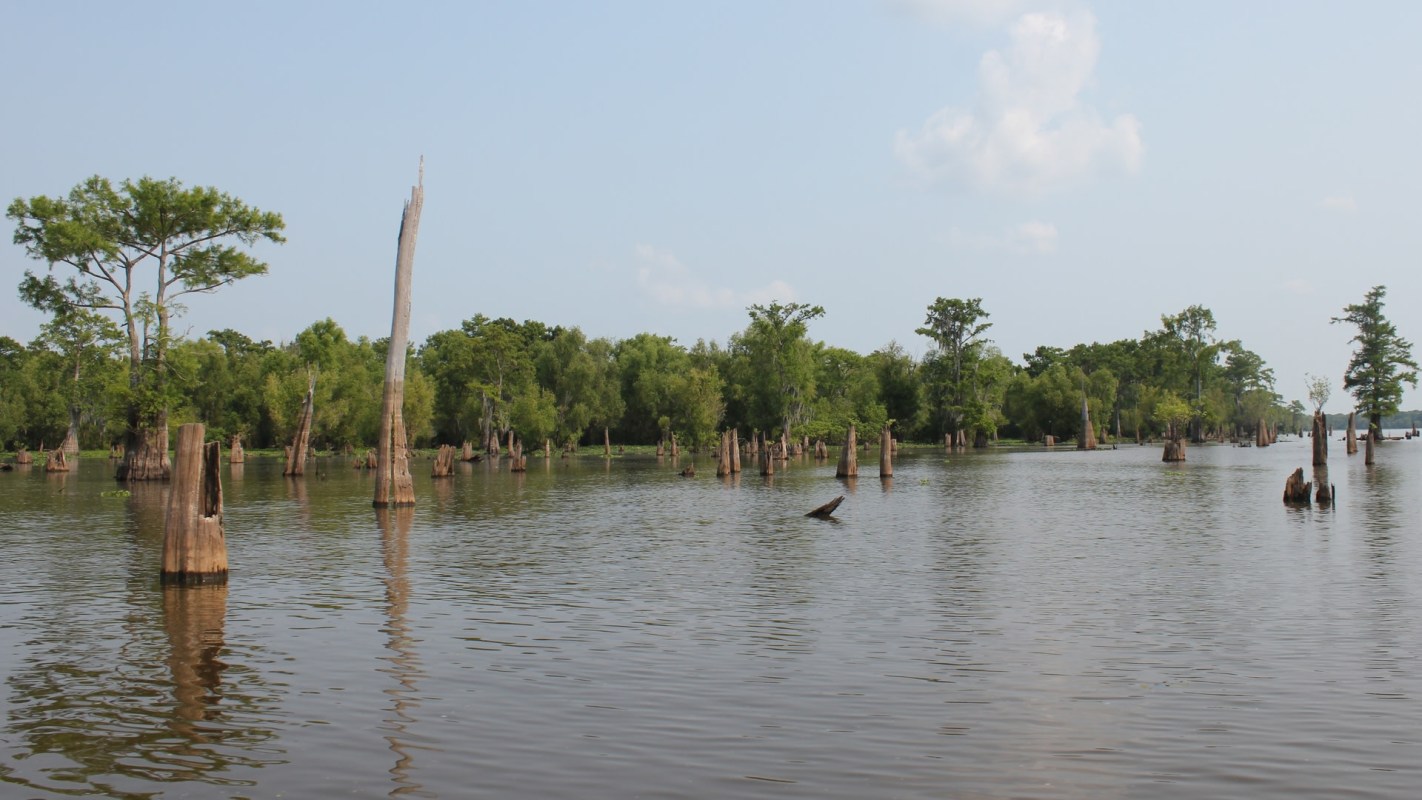
The Delta blues could soon take on a more literal meaning, as river deltas in Mississippi and around the world are sinking and local communities face the consequences of encroaching oceans.
Research from the University of California, Irvine revealed that many of the planet's most populated coastal regions are subsiding faster than the oceans are rising.
What's happening?
In the study, published in the journal Nature, researchers analyzed satellite radar data across 40 major river deltas, including the Mississippi, Nile, and Yellow River deltas.
They found that land in these regions is constantly shrinking and that more than 236 million people now face increased flooding risk due to delta subsidence alone.
The researchers said human activity is the main driver. According to the University of Southampton, which was involved in the study, about 35% of the 40 studied deltas were primarily sinking due to groundwater extraction, while others were impacted by sediment loss and urban development.
"The dominance of subsidence over sea-level rise was more pervasive than anticipated," said Leonard Ohenhen, lead author of the study, in a statement. "In every delta we monitored, at least some portion is sinking faster than the sea surface is rising."
TCD Picks » Upway Spotlight
💡Upway makes it easy to find discounts of up to 60% on premium e-bike brands




In the U.S., the Mississippi River Delta is sinking at an average of 3.3 millimeters per year, with some areas dropping more than 3 inches per decade.
Why is delta subsidence happening?
River deltas support massive populations, major ports, agriculture, fisheries, and ecosystems that people and wildlife rely on, yet they make up less than 1% of Earth's land surface, according to the Geological Society of America.
As deltas sink, flood exposure worsens, storm surges become more destructive, and drinking water sources are increasingly contaminated by saltwater. Entire communities may eventually be forced to relocate, as has already begun in parts of coastal Louisiana.
This sinking is made even more dangerous by rising seas driven by human-caused pollution from burning oil, coal, and gas. Meanwhile, warming temperatures are melting polar ice and expanding ocean water.
TCD Picks » Quince Spotlight
💡These best-sellers from Quince deliver affordable, sustainable luxury for all




|
What's the most you'd pay per month to put solar panels on your roof if there was no down payment?
Click your choice to see results and speak your mind. |
 $200 or more 💰
 What's being done about delta subsidence?
Scientists say targeted local solutions can slow the damage, including better groundwater management and building resilient infrastructure, such as protecting wetlands and building natural flood barriers.
Solutions can even be international, like the agreement between the U.S. and Mexico that restored the Colorado River Delta in Colorado.
"The time that we need to respond to these changes is now before the situation gets significantly worse," Ohenhen said.
Long-term, adoption of cleaner energy and greater community awareness of critical climate issues can help limit the damage caused by planet-heating pollution.
"People should be aware that we are in a part of the world that is changing rapidly," said James Karst, communications director at the Coalition to Restore Coastal Louisiana, per the Louisiana Illuminator.

Get TCD's free newsletters for easy tips to save more, waste less, and make smarter choices — and earn up to $5,000 toward clean upgrades in TCD's exclusive Rewards Club.
Cool Picks