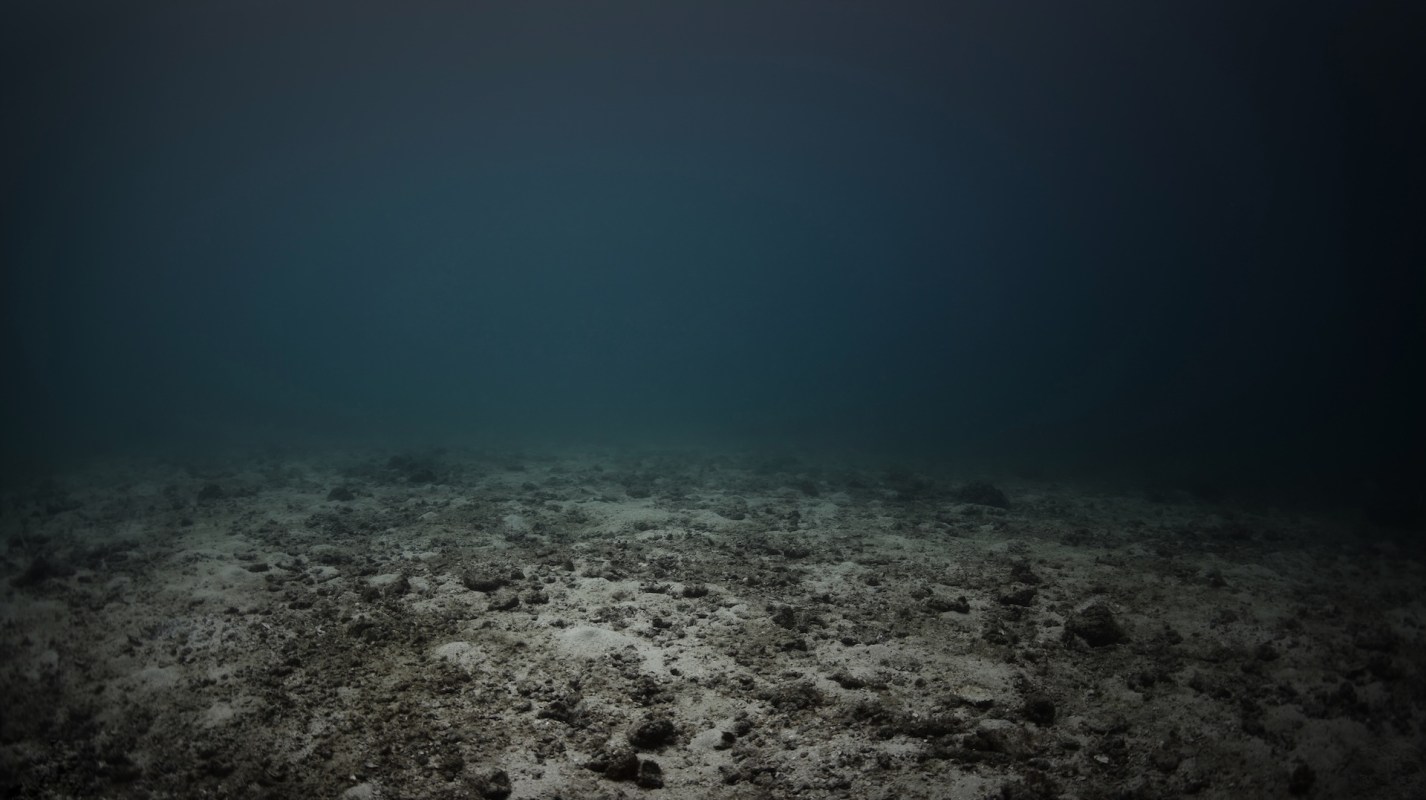
This deep-sea discovery is giving scientists insight into how certain ocean species survive together.
Researchers at Kumamoto University in Japan discovered a brand-new species of sea anemone, and it's got a special relationship with a common crab, The Japan Times reported.
Scientists observed the anemone, named Paracalliactis tsukisome, hitching a ride on the back of Oncopagurus monstrosus, a larger-than-average species of hermit crab.
While many sea anemones attach themselves to rocks, coral reefs, or other underwater surfaces, some sea anemones prefer more mobility and will attach themselves to mollusks and crabs.
This relationship is mutualistic symbiosis — both the crab and the anemone benefit from traveling together. According to The Japan Times, "The sea anemone's secretions help build up the shell and thus help the hermit crab grow, and the sea anemone feeds off the hermit crab's waste."
The success of one species is deeply linked with the success of others. Even animals that seem independent rely heavily on other organisms, and one change can affect entire ecosystems — for better or for worse.
Perk up the winter blues with natural, hemp-derived gummies Camino's hemp-derived gummies naturally support balance and recovery without disrupting your routine, so you can enjoy reliable, consistent dosing without guesswork or habit-forming ingredients. Flavors like sparkling pear for social events and tropical-burst for recovery deliver a sophisticated, elevated taste experience — and orchard peach for balance offers everyday support for managing stress while staying clear-headed and elevated.
Learn more → |

The absence of a key species, often due to habitat loss and hunting, disrupts food webs, causing precise predator and prey populations to fall out of sync.
The introduction of a species can have a similarly significant impact. Reintroduction of a native species, like the gray wolves in Yellowstone, can restore balance to an ecosystem, but the introduction of an invasive species can push others toward extinction.
The anemone's crab companionship is a reminder that the health of our oceans rely on countless connections — ourselves included.
We've discovered less than 5 percent of the ocean, but we've polluted nearly half of its surface, per Earth Org.
TCD Picks » Upway Spotlight
💡Upway makes it easy to find discounts of up to 60% on premium e-bike brands





Our behavior — plastic pollution, overfishing, habitat destruction, and planet-warming emissions — could affect the fate of this newly named anemone and all undersea species.
|
How concerned are you about the plastic waste in our oceans? Click your choice to see results and speak your mind. |
 Extremely 😫
Get TCD's free newsletters for easy tips to save more, waste less, and make smarter choices — and earn up to $5,000 toward clean upgrades in TCD's exclusive Rewards Club.
Cool Picks