


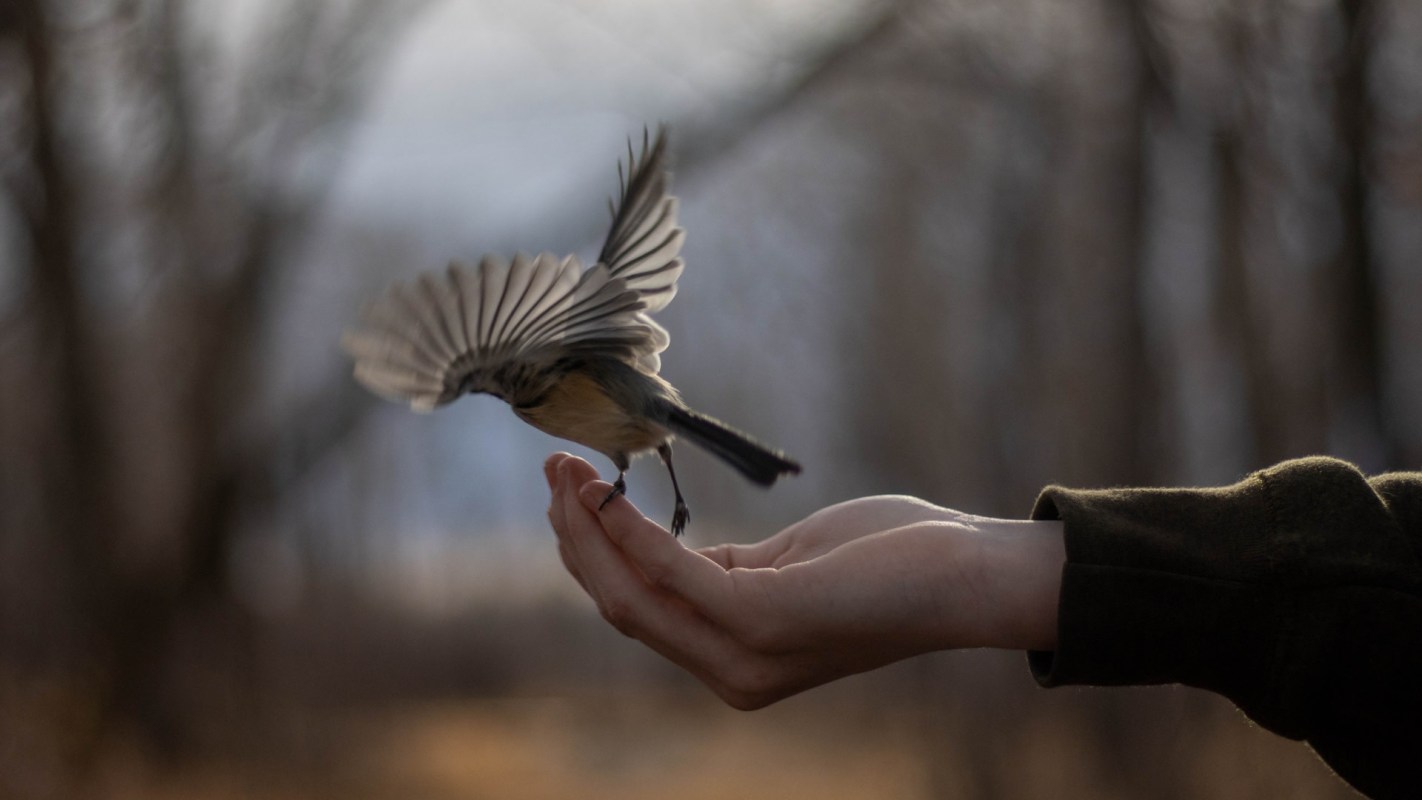
North America's bird populations are rapidly shrinking, and new research suggests the losses are accelerating in places once considered safe, The Guardian reported. The study, published in Science, analyzed 495 bird species using citizen science data.
What's happening?
Scientists found that bird populations tended to decline more quickly in areas considered strongholds, or areas where bird species are most abundant.
"The main ecological finding is that the locations where these species were thriving in the past, where the environments were really well suited to birds, are now the places where they are suffering the most," said Alison Johnston, director of the Centre for Research into Ecological and Environmental Modelling at the University of St. Andrews.
According to a comprehensive study by the Cornell Laboratory of Ornithology and its partners, North America has lost nearly 3 billion birds since 1970.
This includes common birds such as the dark-eyed junco (down by 168 million) and the red-winged blackbird (down by 92 million).
Why are bird populations important?
The researchers presented several theories, including rising global temperatures and habitat change, as key drivers behind these population shifts. However, they noted that further studies are needed to understand the causes of these declines.
"The way I interpret this result is that it's indicative of major changes in our world," said Johnston, per The Guardian.
"The fact that where birds used to have strongholds, where there used to be a lot of resources, where the environments were really suitable, are now the places where they are declining most, that suggests to me that we are just seeing fundamental changes to the environments around us. The birds are like the canary in the coalmine," she added.
Birds help ecosystems in ways that directly impact human populations. Wild birds, for instance, play a crucial role in pollination and pest control. They also spread seeds when they travel, which can help rehabilitate devastated ecosystems.
Seabirds help coral reefs thrive. For example, seabird-derived nutrients can improve coral growth rates, according to a study published in Science Advances.
TCD Picks » Quince Spotlight
💡These best-sellers from Quince deliver affordable, sustainable luxury for all




|
Do you worry about air pollution in your town? Click your choice to see results and speak your mind. |
 All the time 💯
 They also drive innovation through biomimicry, such as when the kingfisher's beak inspired the design of Japan's Shinkansen, also known as its bullet train, as detailed by Biomimicry New Zealand.
What's being done about the declining bird population?
Local and national conservation efforts are helping. Lights Out campaigns, such as those by Audubon, aim to reduce window collisions during migration. Bird-friendly designs, such as using fritted or etched glass in buildings, and policies are also gaining traction.
Individuals can support healthy bird habitats by planting native species, reducing pesticide use, keeping pets (especially cats) indoors, and contributing to citizen science platforms, such as eBird.

Join our free newsletter for good news and useful tips, and don't miss this cool list of easy ways to help yourself while helping the planet.
Cool Picks




