


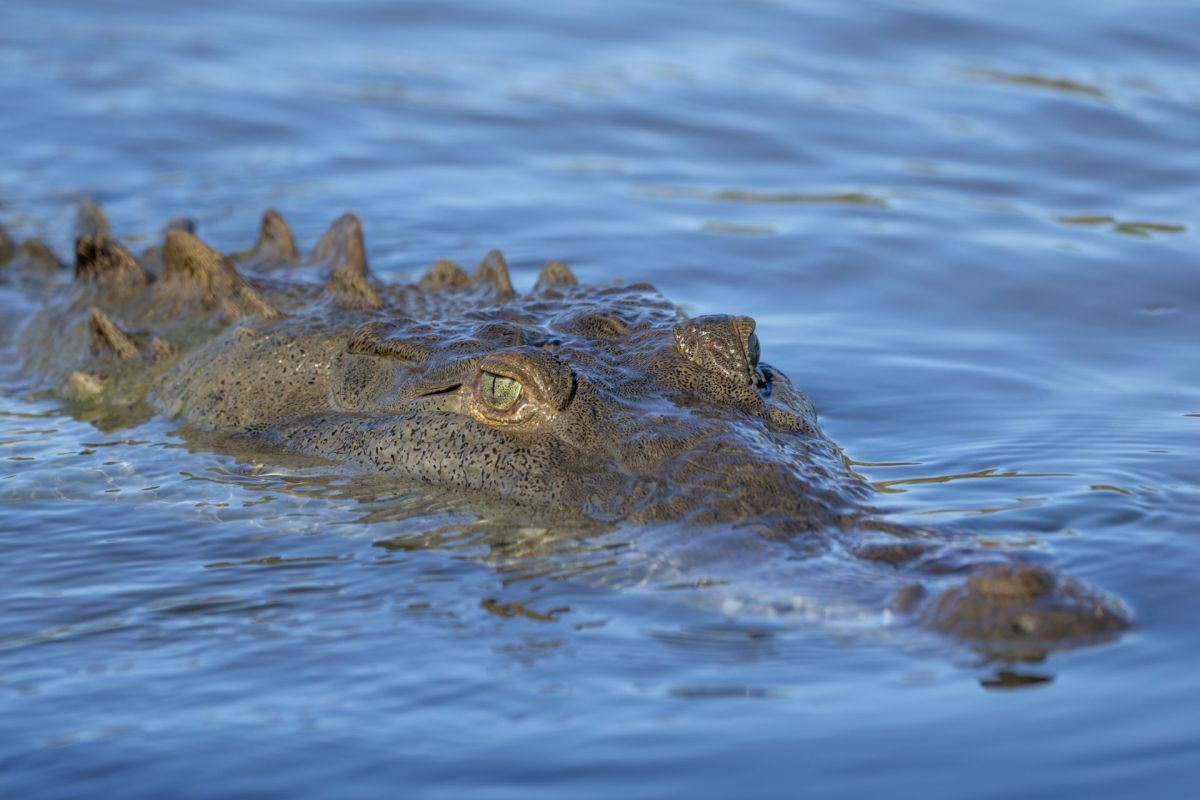
A troubling wildlife encounter in a Florida neighborhood is renewing conversations about rising human-animal conflict and the pressures pushing wild species into closer contact with communities.
Officials in Brevard County recently captured a large American crocodile after residents witnessed it swimming through a canal with a dog in its mouth — a moment one neighbor described as "just heartbreaking," per WFOR.
What's happening?
According to the Florida Fish and Wildlife Conservation Commission, the crocodile was first spotted Nov. 16 in a residential canal in South Patrick Shores, just north of Satellite Beach. Local resident Zack Spurlock told WESH that he rushed over after receiving a message from a friend who saw the reptile while on a walk with a baby stroller.
"Ten feet away is this 11-foot crocodile swimming with a golden retriever-type breed in its mouth," he said. "I'm a dog owner. … My heart went out to them that their worst fear had come true."
FWC officers responded, eventually capturing the crocodile — the only confirmed American crocodile seen in that area since 2018, per WFOR. After evaluating the situation, officials placed the animal into permanent captivity to protect both the community and the crocodile.
Why are animal encounters important?
While encounters between people and wildlife have always occurred, experts said they're becoming more frequent in areas experiencing rapid population growth, shrinking habitats, and shifting ecosystems linked to increasing global temperatures.
As natural spaces become more fragmented or stressed, animals may travel farther in search of food or cooler refuges — heightening the risk of dangerous run-ins for both humans and pets.
Protecting and restoring habitats, improving water quality, and supporting biodiversity can reduce these conflicts and keep communities safer. Several conservation wins help prevent events like this, including efforts to restore coastal wetlands and wildlife corridors and community projects that create safer spaces for threatened species.
What's being done about these encounters?
FWC advises residents to keep pets leashed near water, avoid swimming outside designated areas, and maintain distance from crocodiles and alligators. Feeding wild reptiles is illegal and can make them more likely to approach humans.
Long-term solutions rely on strengthening conservation policies, protecting wetlands, and supporting local wildlife organizations working to preserve healthy habitats. Everyday choices like reducing waste, supporting ecosystem-restoring nonprofits, and being alert in wildlife corridors help create safer boundaries between people and wildlife.
TCD Picks » Quince Spotlight
💡These best-sellers from Quince deliver affordable, sustainable luxury for all




For urgent concerns, Florida residents can contact FWC's Nuisance Alligator Hotline at 866-392-4286.
|
Do you think America does a good job of protecting its natural beauty? Click your choice to see results and speak your mind. |
 Definitely 👍
Get TCD's free newsletters for easy tips to save more, waste less, and make smarter choices — and earn up to $5,000 toward clean upgrades in TCD's exclusive Rewards Club.
Cool Picks






