


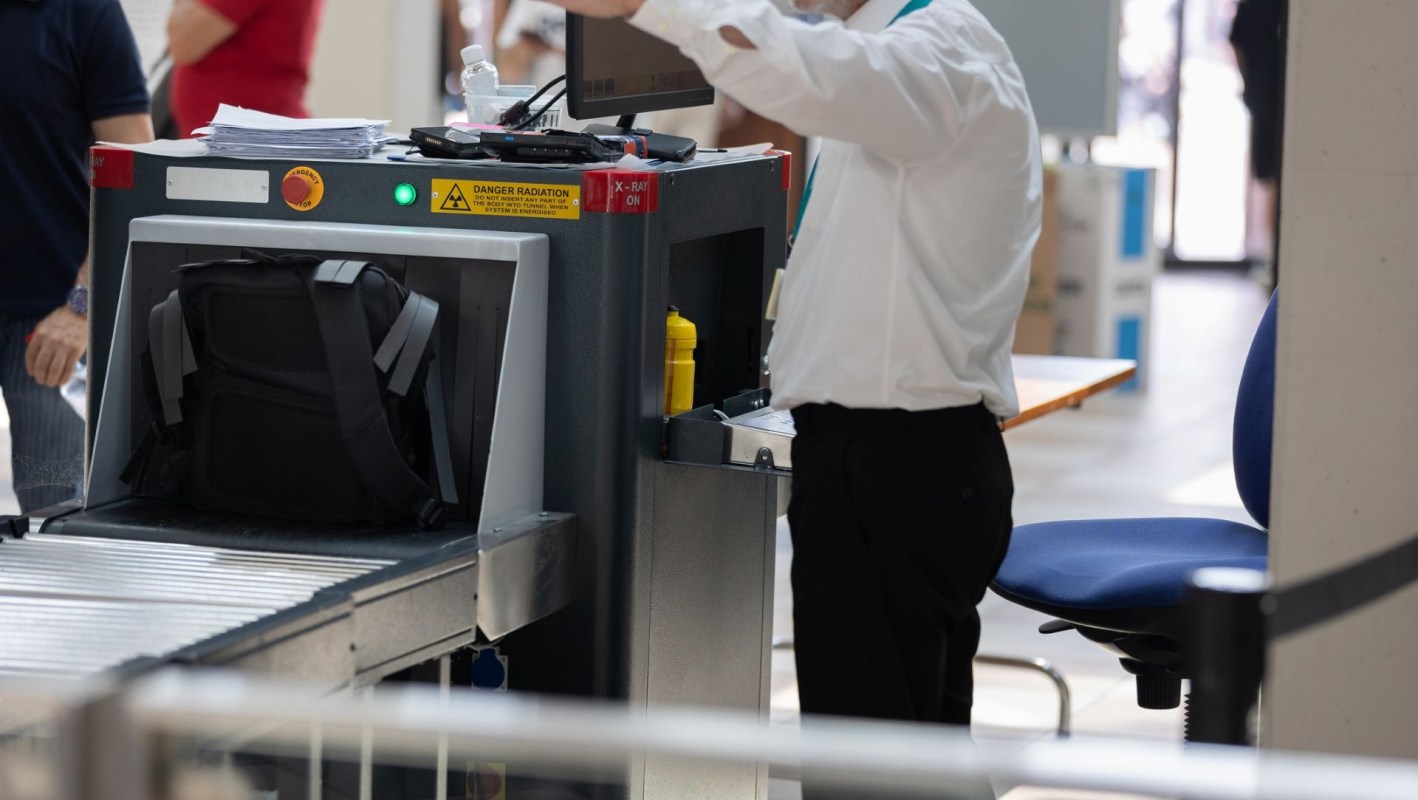
Polish customs officials at Warsaw Chopin Airport seized over 11 pounds of protected coral reef fragments hidden in a traveler's luggage after he returned from the Seychelles via Abu Dhabi.
What happened?
As Polskie Radio reported, authorities from Poland's National Revenue Administration conducted a routine inspection of the man's luggage after he initially passed through the "green channel," which is reserved for travelers with nothing to declare.
Inside his bags, agents found 361 pieces of coral skeletons, a material that is strictly protected under the Convention on International Trade in Endangered Species of Wild Fauna and Flora.
The traveler told authorities he collected the coral from a beach as souvenirs, but officials emphasized its protected status, whether found washed ashore or taken from the sea.
Because the man lacked the required CITES permits, the coral was confiscated and will be used as evidence in a criminal investigation under Poland's environmental protection laws.
"Instead of collecting coral, it's better to take a photograph," the authorities advised, according to Polskie Radio.
Why is coral smuggling concerning?
Coral reefs are essential to ocean health. They support an estimated 25% of all marine life, protect coastlines from erosion and storm surge, and sustain local economies through fishing and tourism, according to the U.N. Environment Programme.
Often described as the rainforests of the sea, coral reefs are widely regarded as having the highest biodiversity of any ecosystem on the planet.
But reefs around the world are facing unprecedented threats from biodiversity loss, extreme weather, and high levels of pollution.
Damage to coral reefs also has a profound impact on humans, as more than 500 million people worldwide depend on them for food, livelihoods through tourism, and fishing, according to the Natural History Museum.
TCD Picks » Quince Spotlight
💡These best-sellers from Quince deliver affordable, sustainable luxury for all




|
What's the most you'd pay per month to put solar panels on your roof if there was no down payment?
Click your choice to see results and speak your mind. |
 $200 or more 💰
 Removing coral — even unintentionally — further weakens ecosystems that are already struggling to survive.
The illegal trade in precious corals (mostly red corals used in jewelry) is estimated to be worth over $200 million annually, according to the European Parliament.
Corals were the third-most-confiscated item in the illegal wildlife trade between 1999 and 2018, representing nearly 15% of global wildlife seizures reported to the United Nations Office on Drugs and Crime, as WLRN noted.
Traffickers often source coral from reefs in Indonesia, Fiji, Tonga, the Philippines, Australia, and the Caribbean before shipping it around the globe, but the U.S. is the primary destination for both legally and illegally traded coral.
What's being done to stop coral crimes?
Officials used the incident to remind people that well-meaning tourists may unintentionally cause environmental harm. Respecting wildlife protection laws helps preserve fragile ecosystems like coral reefs for animals and people alike, rather than turning them into illegal keepsakes.
But that doesn't mean you have to go without a souvenir on vacation — photos, locally made crafts, and eco-friendly mementos are all great sustainable alternatives.
Authorities in places like India are cracking down on coral smuggling operations, and conservation efforts in Zanzibar and southern Myanmar are helping coral reefs recover by establishing protected marine zones and cleaning up discarded fishing gear.

Get TCD's free newsletters for easy tips to save more, waste less, and make smarter choices — and earn up to $5,000 toward clean upgrades in TCD's exclusive Rewards Club.
Cool Picks




