


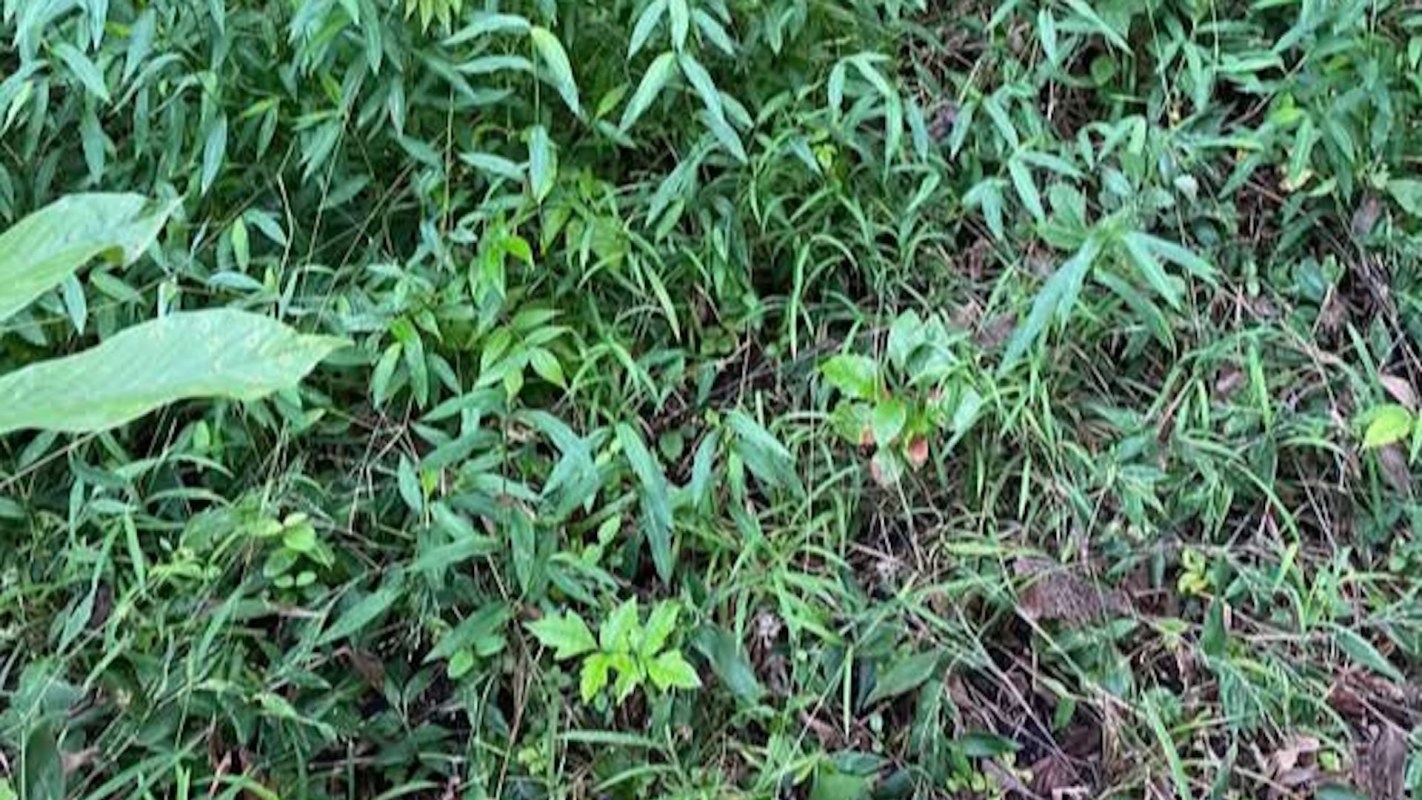
Controlling invasive species in your yard or garden can be quite a headache, as one homeowner experienced.
In the Facebook group "Invasive Plant ID & Removal in the United States and Canada," they shared an image of their yard and the invasive species dominating the space. A huge bed of stiltgrass covers all other plants.
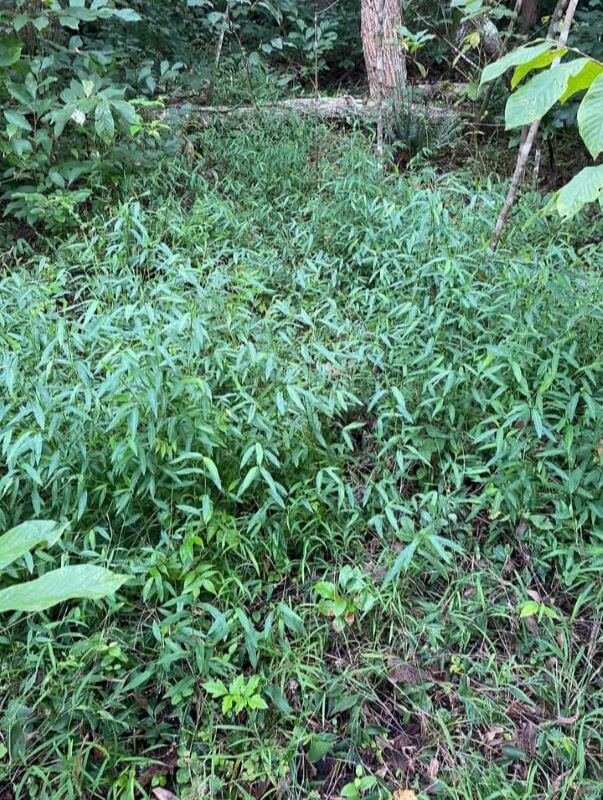
"We have so much stiltgrass in our woods," she wrote. "I'm pulling it out by wheelbarrows full."
"I need some words of encouragement since my husband thinks it's a futile task," she added. "My reward is seeing bloodroot, trilliums, golden groundsel, ferns, deer tongue sprouting up where once there was only stiltgrass."
Japanese stiltgrass is a highly invasive species that was first found in the United States in 1919.
Invasive species are plants or wildlife that are not native to an area, and they typically spread quickly and outcompete native species for vital food and resources. Other examples of invasive species include bamboo and lantern flies.
According to the U.S. Department of Agriculture, stiltgrass "infestations can impact the diversity of native species, reduce wildlife habitat, and disrupt important ecosystem functions."
It isn't a food source for any animals, so it can only be controlled by humans. It can also take up space and prevent other plants from growing, removing a food source for animal species. Stiltgrass has been a big problem for homeowners.
When planting in your yard or garden, choosing native plants is vital to keeping balance in your local ecosystem. It's also essential to avoid introducing any invasive species that could endanger other plants and wildlife.
Adding native plants to a garden can even help homeowners save money, as they require less maintenance and use less water than traditional monoculture lawns.
TCD Picks » Quince Spotlight
💡These best-sellers from Quince deliver affordable, sustainable luxury for all




|
What's the hardest thing about taking care of your yard? Click your choice to see results and speak your mind. |
 Mowing the lawn 🏡
 The original poster's success in pulling out the invasive species and adding native plants, such as ferns and golden groundsel, will help rebalance the ecosystem and protect their yard.
Commenters on the post shared their encouragement to fight the invasive species.
"Great job," one wrote. "Keep fighting the good fight!"
"Seeing those natives pop up is gold!" another said.
"You can't help everywhere, but you can help somewhere," another wrote. "Good job!"

Get TCD's free newsletters for easy tips to save more, waste less, and make smarter choices — and earn up to $5,000 toward clean upgrades in TCD's exclusive Rewards Club.
Cool Picks




