


As dusk settled over Colorado's Palisade Peach Shack, owner James Sanders and his family raced against the clock. With temperatures plunging to a bone-chilling 27 degrees Fahrenheit, their acres of peaches, apricots, and cherries teetered on the brink of disaster.
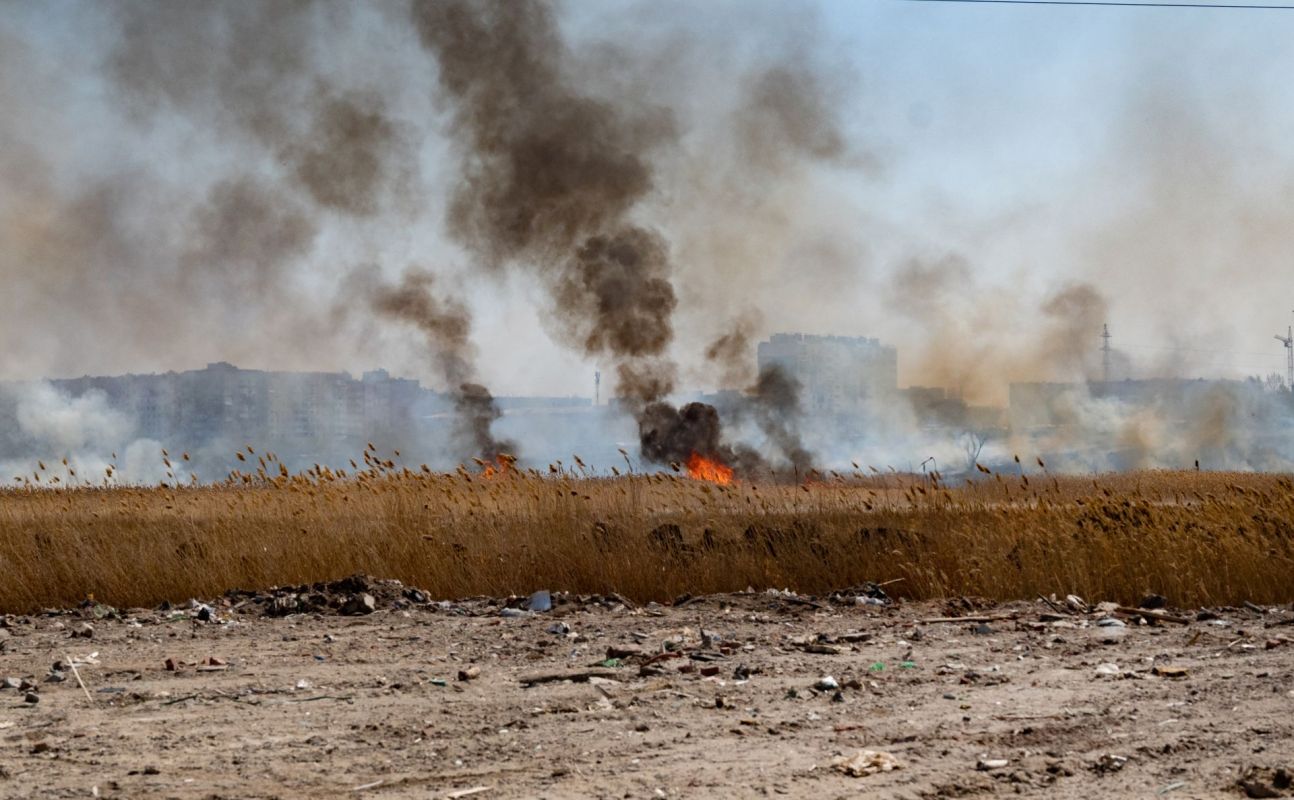
In a desperate bid to ward off the frost, the family ignited nearly 100 small fires across the orchard, according to CBS News.
What's happening?
The trouble began with an unseasonable warm spell that coaxed fruit trees into bloom weeks earlier than usual. Then, suddenly, a cold snap swept in.
Sanders told CBS News the fruit had already reached a stage they wouldn't typically see until mid-May, leaving it highly vulnerable to freezing temperatures.
Determined to save the crop, two dozen people labored through the night, spacing fires roughly 30 feet apart throughout the orchard.
Using propane burners, smudge pots, and pine scraps, they managed to raise the temperature by 8 degrees — just enough to spare most of the crop from the freeze.
"[It] had us very scared," Sanders told CBS News.
By morning, the effort appeared to have paid off, with an early estimate suggesting losses of up to 10%.
Why is this concerning?
While the outcome was a relief, the situation highlights a growing challenge for farmers: increasingly unpredictable weather.
Warm winters and early spring heat can cause premature blooming. If a freeze follows, it can wipe out entire harvests.
TCD Picks » Quince Spotlight
💡These best-sellers from Quince deliver affordable, sustainable luxury for all




|
Which of these savings plans for rooftop solar panels would be most appealing for you?
Click your choice to see results and earn rewards to spend on home upgrades. |
 Save $1,000 this year 💸
 When crops are damaged, the effects extend beyond farms. Low yields can lead to high grocery prices and reduced availability of fresh produce.
Extreme weather also threatens livelihoods and community stability. Many farms are family-run, and a single bad season can carry lasting financial consequences.
What's being done about it?
Farmers are adapting with creative solutions to protect crops during sudden freezes, just as the Sanders family did.
On a broader scale, researchers are developing more resilient crop varieties and improving forecasting tools, helping farmers better anticipate and respond to rapid weather shifts.

Get TCD's free newsletters for easy tips, smart advice, and a chance to earn $5,000 toward home upgrades. To see more stories like this one, change your Google preferences here.
Cool Picks






