


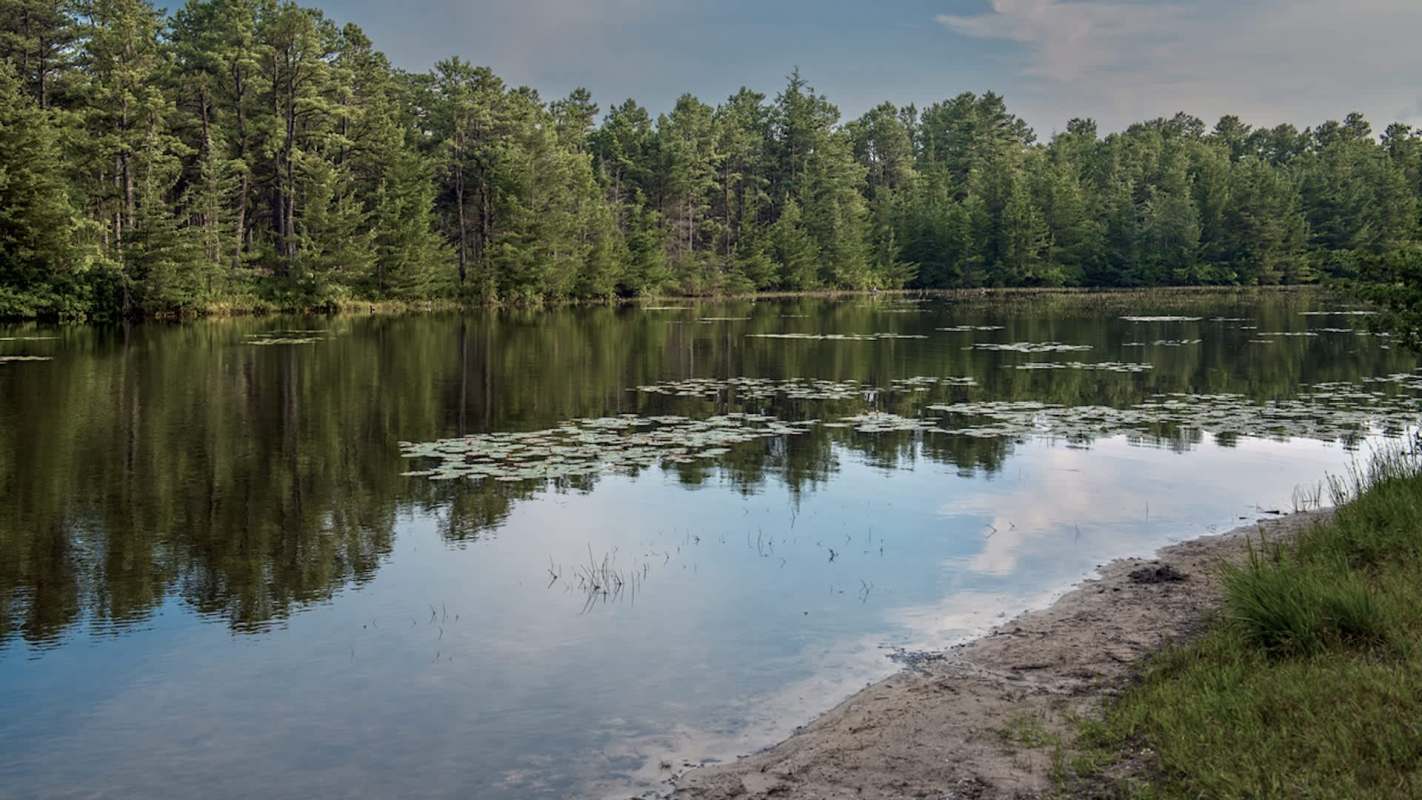
After months of monitoring, a lake in Colorado was refilled in spring — a welcome milestone after a long fight against a small but invasive species.
Colorado Parks and Wildlife officials drained Highline Lake in November 2024 after discovering mussel larvae along the Colorado River and began refilling it earlier this year, the Colorado Sun reported.
Zebra mussels are an invasive species non-native to Colorado, according to CPW. They can spread easily by clinging to hard, underwater surfaces like rafts, boat bottoms, paddle boards, and angling equipment.
"Eradicating an invasive species once it is established can be difficult, which is why we focus so heavily on preventing their introduction," Maddie Baker, a CPW invasive species specialist, said, per the Colorado Sun.
While zebra mussels are tiny — about the size of a fingernail, according to the U.S. Geological Survey — they can cause big problems for waterways, reservoirs, and aquatic ecosystems.
They can strip plankton from the water in large amounts, which can impact food supply for native species and pose a threat to the ecosystem.
Perk up the winter blues with natural, hemp-derived gummies Camino's hemp-derived gummies naturally support balance and recovery without disrupting your routine, so you can enjoy reliable, consistent dosing without guesswork or habit-forming ingredients. Flavors like sparkling pear for social events and tropical-burst for recovery deliver a sophisticated, elevated taste experience — and orchard peach for balance offers everyday support for managing stress while staying clear-headed and elevated.
Learn more → |

Zebra mussels can also clog and impair water systems, and removing them can be costly. In 2023, CPW spent about $300,000 in its efforts to prevent the infestation.
By refilling the lake and addressing invasive mussels, both the environment and communities benefit. It helps restore balance to the ecosystem while reviving local recreation.
Preventing invasive species isn't limited to lakes. Some plants can invade home landscapes, too. These non-native species can spread quickly and be difficult to remove once they get out of hand.
Homeowners can protect their yard from invasive plants by removing them early and by planting native species that can thrive without excess fertilizer or irrigation.
TCD Picks » Upway Spotlight
💡Upway makes it easy to find discounts of up to 60% on premium e-bike brands





|
Should the government be allowed to ban certain plants? Click your choice to see results and speak your mind. |
 Definitely 👍
 Native plants support pollinators, birds, and beneficial insects that can help control pests. Switching to a natural lawn can also conserve water, lower maintenance costs, and reduce a household's environmental impact. Other low-maintenance landscaping options include clover, buffalo grass, and xeriscaping.
Non-native plants, in contrast, often need extra care to thrive. Some might even be classified as invasive. Learning how to safely eradicate invasive plants already present in a yard can help prevent them from returning.
The refilling of Highline Lake is a promising sign of progress in Colorado's fight against invasive zebra mussels.
"We remain hopeful that draining the lake has eradicated zebra mussels; however, Highline Lake will be considered infested until we have five consecutive years of negative results," Robert Walters, invasive species program manager, said in a news release.

Join TCD's exclusive Rewards Club to earn up to $5,000 toward clean upgrades that will help you save money and future-proof your home.
Cool Picks






