


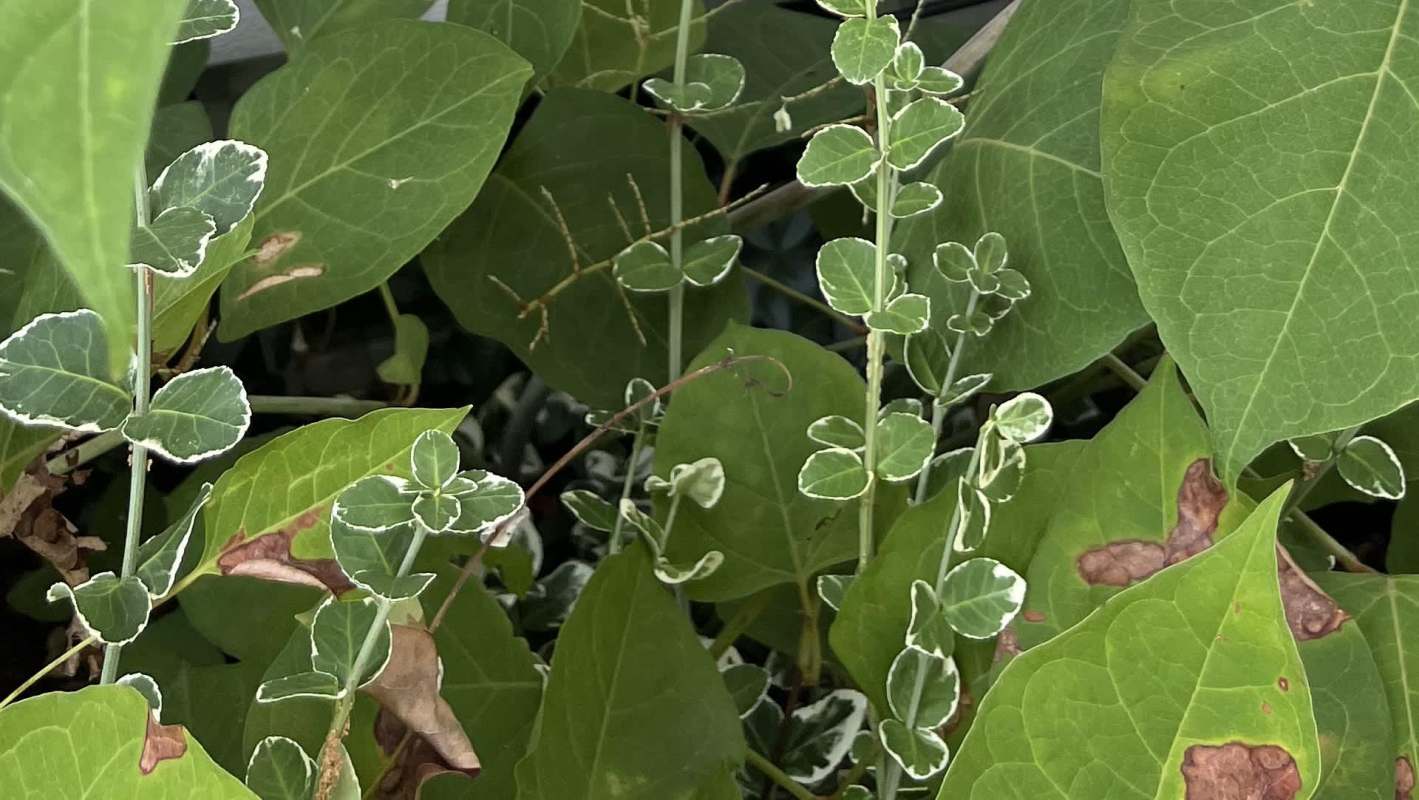
A gardener's battle with invasive knotweed has led to one of the most unexpectedly brilliant hacks the internet has seen — and it involves a household vacuum.
Posting to r/gardening, the user shared how they managed to collect and remove pesky knotweed seeds without spreading them across their yard.
"I read that you should let it flower before chopping down knotweed," the post explained. "Unfortunately, I missed it flowering and it went to seed. These things pop off and fly everywhere if the plant is so much as nudged."
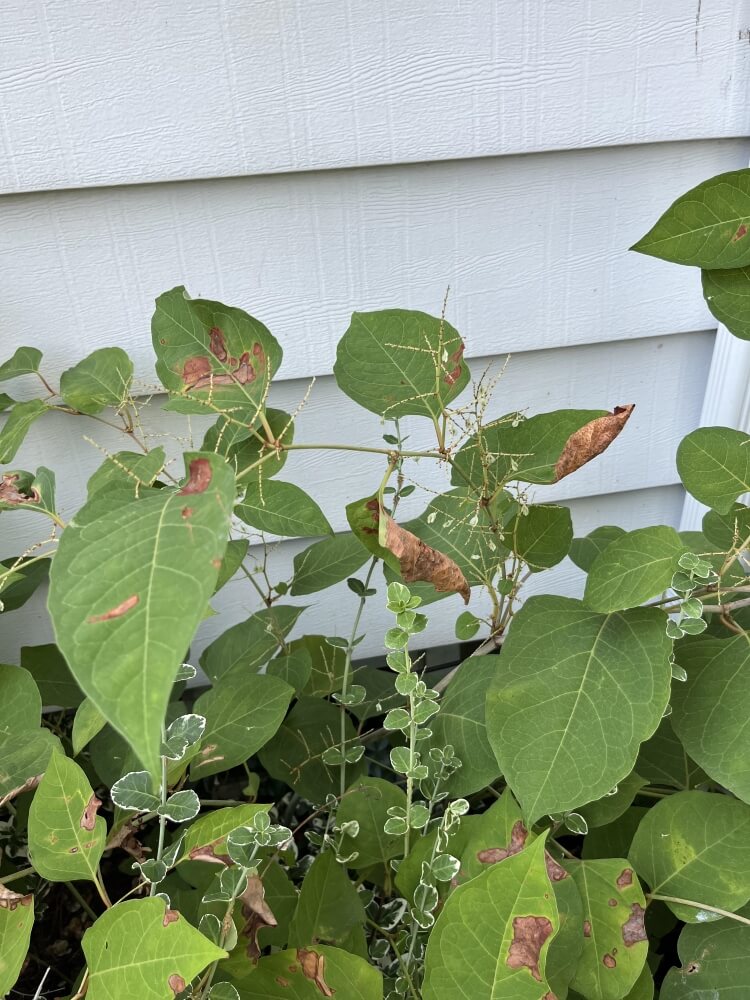
To avoid scattering more seeds, the gardener came up with an unusual fix: "I took our little portable Ryobi vacuum, held the stem still, let the vacuum engulf one section of seeds and then pulled back with my thumb over the nozzle to strip the seeds off the stem. It worked pretty well without losing too many."
As one commenter summed it up, "You are the looney genius I aspire to be."
Japanese knotweed (Fallopia japonica) is one of the most invasive plants in North America and Europe, spreading aggressively through underground rhizomes and easily dispersed seeds. Removing unwanted plants like this can take years. Luckily, eco-conscious solutions like this offer homeowners a safer, more sustainable way to tackle the problem without resorting to harmful herbicides.
TCD Picks » Quince Spotlight
💡These best-sellers from Quince deliver affordable, sustainable luxury for all




To fight against aggressive invasive plants, rewilding your yard with native plants such as clover, buffalo grass, or wildflowers can naturally suppress weeds while saving you money on water and maintenance. Even small native upgrades to your yard can save water, cut down on mowing, and create a healthier yard ecosystem.
Plus, rewilding also helps restore biodiversity, reduces the need for chemical treatments that can harm soil and wildlife, and supports pollinators, which are essential for safeguarding our food supply.
The post quickly took off.
"Definitely genius," one commenter wrote.
|
What's the hardest thing about taking care of your yard? Click your choice to see results and speak your mind. |
 Mowing the lawn 🏡
 Another added, "Doing the lord's work. The only suggestion I would have is burning the seeds or whatever is the best method to ensure they don't take over the local landfill."
Others shared their own struggles with the weed, which can regrow from even the tiniest root fragments.
"We're on our second year of our eradication journey doing just as you said," one shared, referring to the original poster's idea to inject herbicide into chopped stems to avoid killing nearby plants. "It's working!! This year we had only 1/5 of the previous year's growth. I'm hoping next year there's even less. Stay hopeful!"

Join our free newsletter for easy tips to save more and waste less, and don't miss this cool list of easy ways to help yourself while helping the planet.






