


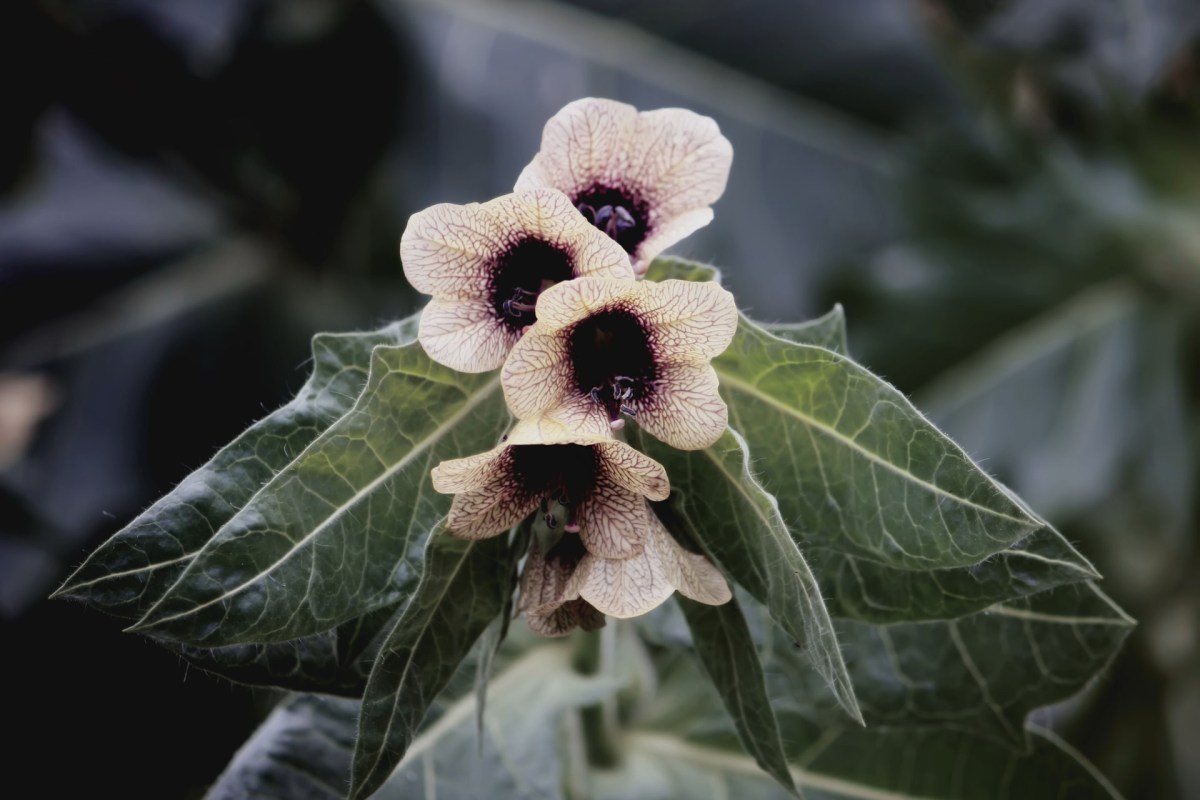
Residents in a Canadian city have been warned of a toxic plant that has invaded the area.
What's happening?
A toxic invasive species is threatening the local ecosystem in Airdrie, Alberta. According to Discover Airdrie, a spotted flower known as black henbane has started to pop up in the city.
Black henbane is a flowering plant that is poisonous, despite its eye-catching appearance. Often known as "stinking nightshade" due to the strong odor it emits, black henbane is a "toxic invasive species under Alberta's Weed Control Act," according to the Alberta Invasive Species Council.
The invasive plant poses a heightened risk to residents since it's poisonous to both humans and livestock. If ingested, black henbane can cause serious health complications, according to Rocky View County.
"Symptoms include impaired vision, convulsions, coma, and in occasional severe situations, death from heart or respiratory failure," they said.
Why are invasive species in Airdrie concerning?
Invasive species threaten the whole ecosystem by disrupting the balance of local plants and animals. When a new species enters an environment, it competes with local species for resources, throwing off the entire food chain.
In the case of black henbane, the plant reproduces quickly, producing up to 500,000 seeds per growing season, according to Discover Airdrie. As a result, black henbane can easily spread and overtake a new landscape.
What's being done about invasive species in Airdrie?
Alberta officials have already explained the necessary control methods to residents.
Residents who spot black henbane growing have been advised to carefully remove the plant with gloves and properly dispose of it in the garbage. The county has also urged residents not to add the plant to their compost bins, as it can "compromise the end product of compost."
Recommended removal techniques include mowing, hand-pulling, and burning, providing that care is taken not to spread the seeds and to avoid skin contact.
TCD Picks » Quince Spotlight
💡These best-sellers from Quince deliver affordable, sustainable luxury for all




|
Do you worry about having toxic forever chemicals in your home?
Click your choice to see results and speak your mind. |
 Majorly 😥
Join our free newsletter for good news and useful tips, and don't miss this cool list of easy ways to help yourself while helping the planet.
Cool Picks




