


It's no secret that the heat trapped within Earth's atmosphere is driving global temperatures higher. In many parts of the world, the once-frigid winter months have become steadily warmer — and that's not a good thing.
What's happening?
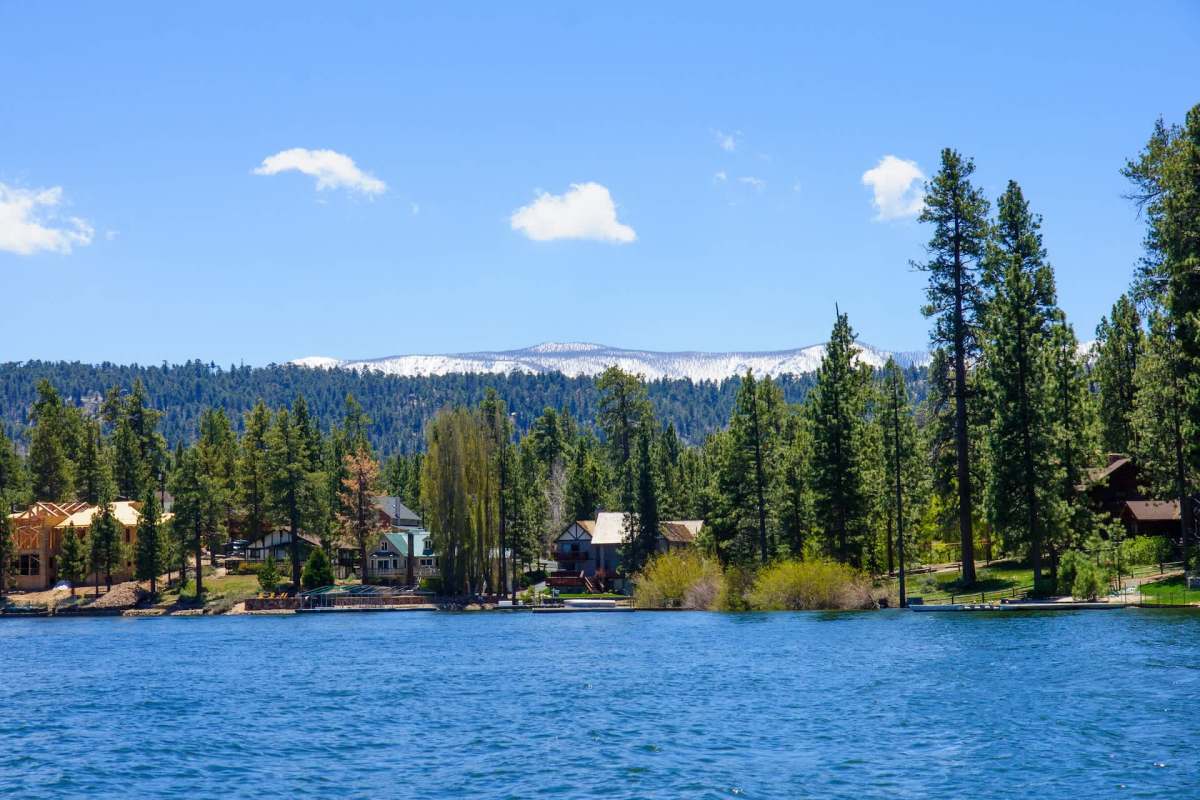
A new report by KABC revealed that residents in and around the California tourist resort of Big Bear Lake in the San Bernardino Mountains have experienced zero snowfall — a sharp decline from the usual at this time of year. Instead, the precipitation that usually comes down as snow took the form of rain, which means temperatures in the mountains of Southern California just aren't low enough for the water vapor in the air to thicken and freeze.
"This year, at Big Bear Lake, we've not recorded any snowfall," reported the National Weather Service's Casey Oswant.
KABC meteorologists determined that the average high temperature in the region last year was abnormally high — a shocking 60 degrees, up from the usual 47.
Why are warmer winters concerning?
According to a report by the National Centers for Environmental Information, the Southwest isn't the only part of the country to experience an unusually warm winter this year, with Oregon, Colorado, and much of New England encountering much of the same.
In addition to jeopardizing local tourist economies that flourish on Big Bear's skiing potential, these warmer winters increase flood risks in and around the mountains, posing a threat both to local wildlife habitats and to human homes and infrastructure. Not only that, but warmer winds and waters have been shown to supercharge extreme weather events, making storms and flooding disasters more severe than they would have otherwise been.
These higher temperatures correlate directly to the rising amounts of heat-trapping carbon pollution clogging our atmosphere — a cumulative output of the growing demand placed on fuel-intensive industries and the degradation of the planet's most significant carbon sinks, such as oceans and forests.
What's being done about our warming climate?
In the long term, setting decarbonization goals and policies that reduce carbon pollution can help communities around the world achieve a cleaner atmosphere. Funding renewable energy projects, for instance, may ease the transition into a more sustainable economy.
But large-scale solutions don't mean that combating climate change is out of individual hands. Small day-to-day changes, like choosing public transit over your internal combustion engine vehicle and upgrading your appliances to energy-efficient alternatives, can all make a difference when enough of us take part.
|
How cold does it get where you live? Click your choice to see results and speak your mind. |
 Well below zero 🥶
Get TCD's free newsletters for easy tips to save more, waste less, and make smarter choices — and earn up to $5,000 toward clean upgrades in TCD's exclusive Rewards Club.
TCD Picks » Quince Spotlight
💡These best-sellers from Quince deliver affordable, sustainable luxury for all




Cool Picks






