


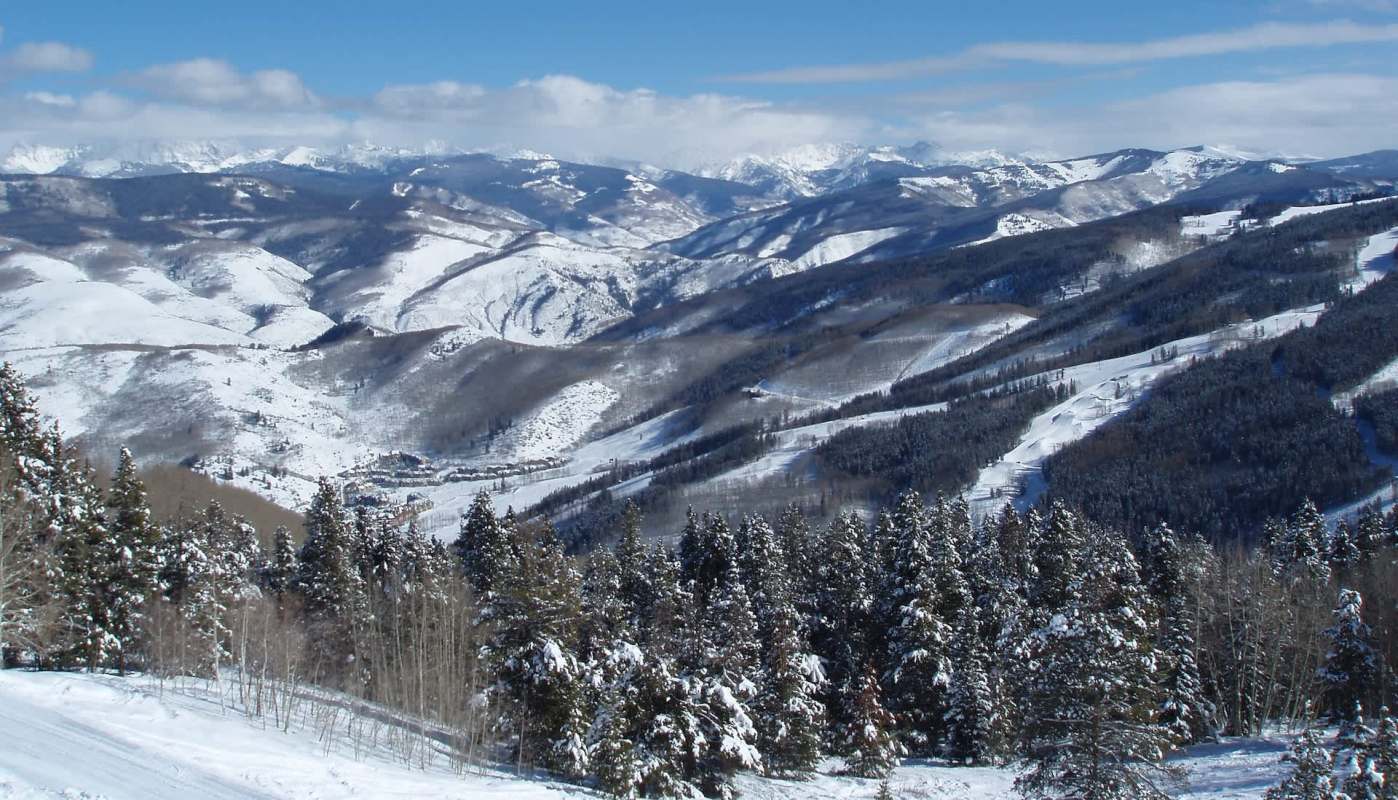
The first month of meteorological winter felt more like spring for much of Colorado. Grand Junction and Denver had their second-warmest December on record. The unusual warmth is causing impacts in a region that relies on cold and snow this time of year.
The Boulder National Weather Service office called Fort Collins' numbers for December "eye-popping." The city, which has one of the state's longest-standing climate sites, had its warmest December, surpassing the previous mark by more than 3 degrees. Fort Collins also had three days that reached 70 degrees or more in December, a record.
"There were just some extremely warm temperatures in December," noted National Weather Service meteorologist Dennis Phillips, per Vail Daily. "You can see that in the averages that were 8 to 9 degrees above normal."
Steamboat Springs' average temperature for the month was nearly 12 degrees above normal, making it the town's warmest December on record. The average temperature of 29.9 degrees for the month was much closer to March's average temperature (31.2) than December's (18.3).
A colder pattern is coming this week. Phillips characterized it as "a pretty big pattern change." While potential storm systems could bring some welcome snow to the area, there may be a shift back to a milder pattern like the region saw in December.
"Unfortunately, if you look at some of the longer-term outlooks, we're still trending warmer than normal," added Phillips, per Vail Daily.
TCD Picks » Quince Spotlight
💡These best-sellers from Quince deliver affordable, sustainable luxury for all




An unseasonably warm December took its toll on the snowpack that ski resorts rely on this time of the year. Vail Daily reported that snowpack statewide stood at just 59% of the 30-year median as of Friday, placing it in the 5th percentile, meaning only 5% of years have seen less snow by this point.
Drought conditions continued to worsen across the Western Slope of Colorado, a mountainous region west of the Continental Divide. Two counties have been particularly hard hit. All of Eagle County and just over 98% of Pitkin County are enduring at least a severe drought, according to the latest U.S. Drought Monitor report.
December warmth spilled over into January. Denver tied a record high Sunday, climbing to 67 degrees. The National Centers for Environmental Information's November U.S. climate report ranked the 24-month period from December 2023 to last November as the warmest such period on record for Colorado.
Winter snowfall is crucial in Colorado, as skiing supports many of the state's local economies. An analysis by the nonprofit Climate Central found that the majority of the more than 2,000 examined sites are seeing less snowfall now than in the early 1970s.
"Less snow can limit water supplies derived from snowpack — especially in parts of the western U.S. that rely on snowpack for water supplies," noted Climate Central researchers. "Snow drought can also take a toll on regional recreation and tourism industries by decreasing snow at ski areas."
|
How often do you worry about air pollution where you live? Click your choice to see results and speak your mind. |
 Always 😷
Get TCD's free newsletters for easy tips to save more, waste less, and make smarter choices — and earn up to $5,000 toward clean upgrades in TCD's exclusive Rewards Club.







