


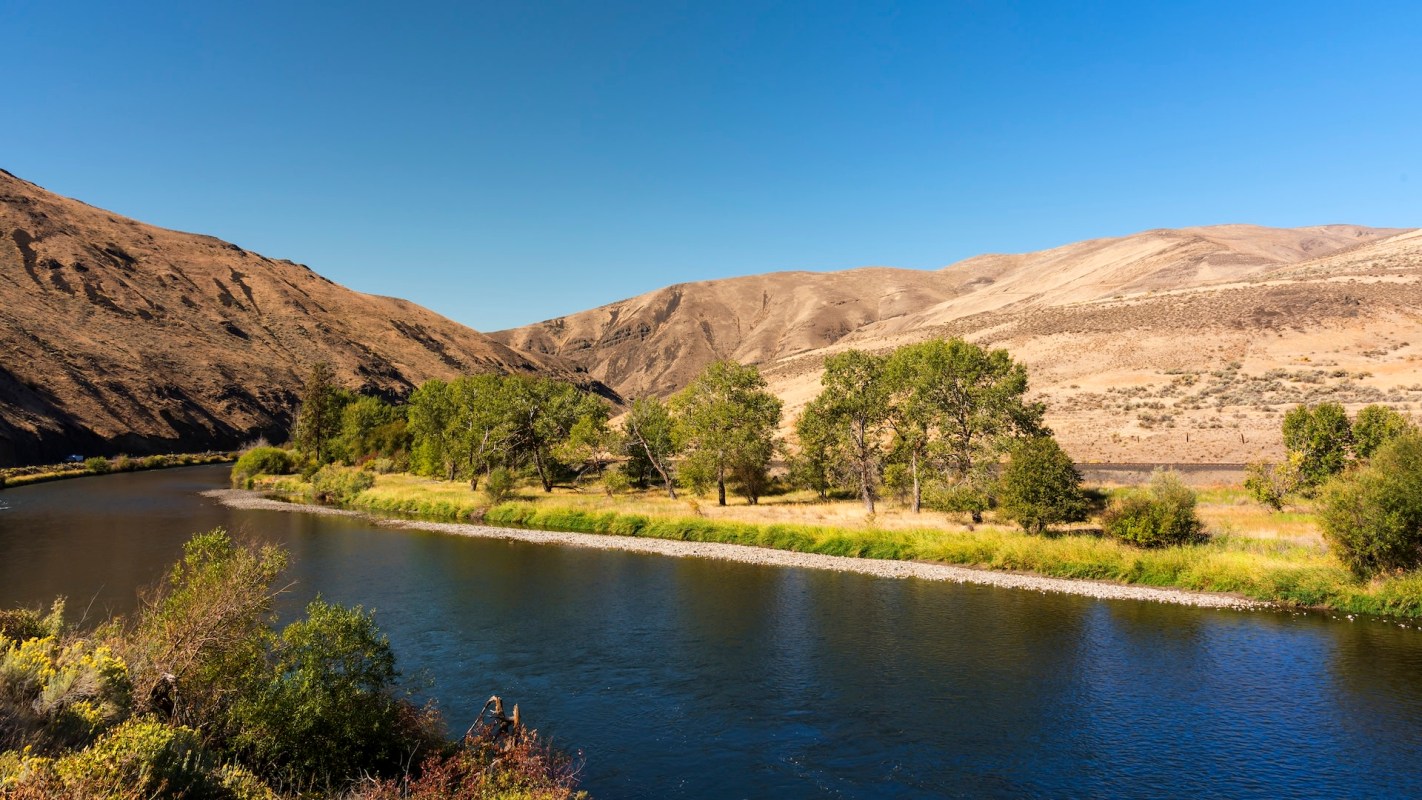
Washington's Yakima River basin has been thirsty for rain, but it's finally getting a drink.
Drought conditions have not let up in the region for three years. But in the first full week of last December, its mountain reservoirs racked up a combined 36 inches of rain.
As the Yakima Herald-Republic first reported, the recent rains set above average marks in terms of precipitation and reservoir storage levels.
The Yakima River — a major tributary of the larger Columbia River — is a crucial water supply for the agricultural region. Replenishing its levels from the sky is a big help.
Still, the reservoirs would have to reach a higher capacity by spring for the drought to officially end, Chad Stuart, Yakima field office manager for the Bureau of Reclamation, explained to the Yakima Herald-Republic.
According to the outlet, Stuart called the rising water levels "great gains," but he made it clear that "we're not back to normal."
He added that winter snow will be needed to fully refill the reservoirs, but it's been too warm for snow. Indeed, rising temperatures are changing precipitation patterns all around the world.
Another problem is that a portion of the rains are falling in the lower river basin, where there are no reservoirs to capture it. The lower basin's water levels are noticeably high, but the local water districts are storing all that they can, the outlet explained.
The rains highlight the need for additional storage at lower elevations, Sunnyside Valley Irrigation District manager David Feldman pointed out.
Natural resources like rivers are important to protect since humans and all kinds of wildlife rely on them to survive. However, excessive human activities and pollution can easily harm waterways, let alone an extended period without rain.
TCD Picks » Quince Spotlight
💡These best-sellers from Quince deliver affordable, sustainable luxury for all




|
What's the most you'd pay per month to put solar panels on your roof if there was no down payment?
Click your choice to see results and speak your mind. |
 $200 or more 💰
 That's why conservation efforts and smart water management practices are important. They ensure the planet's limited sources of clean, fresh water are able to stick around for generations.
Learn about your nearest body of water to see how you could give it a hand. Capturing rainwater for use in a garden can also help you save money and reduce your water use.

Get TCD's free newsletters for easy tips to save more, waste less, and make smarter choices — and earn up to $5,000 toward clean upgrades in TCD's exclusive Rewards Club.
Cool Picks






