


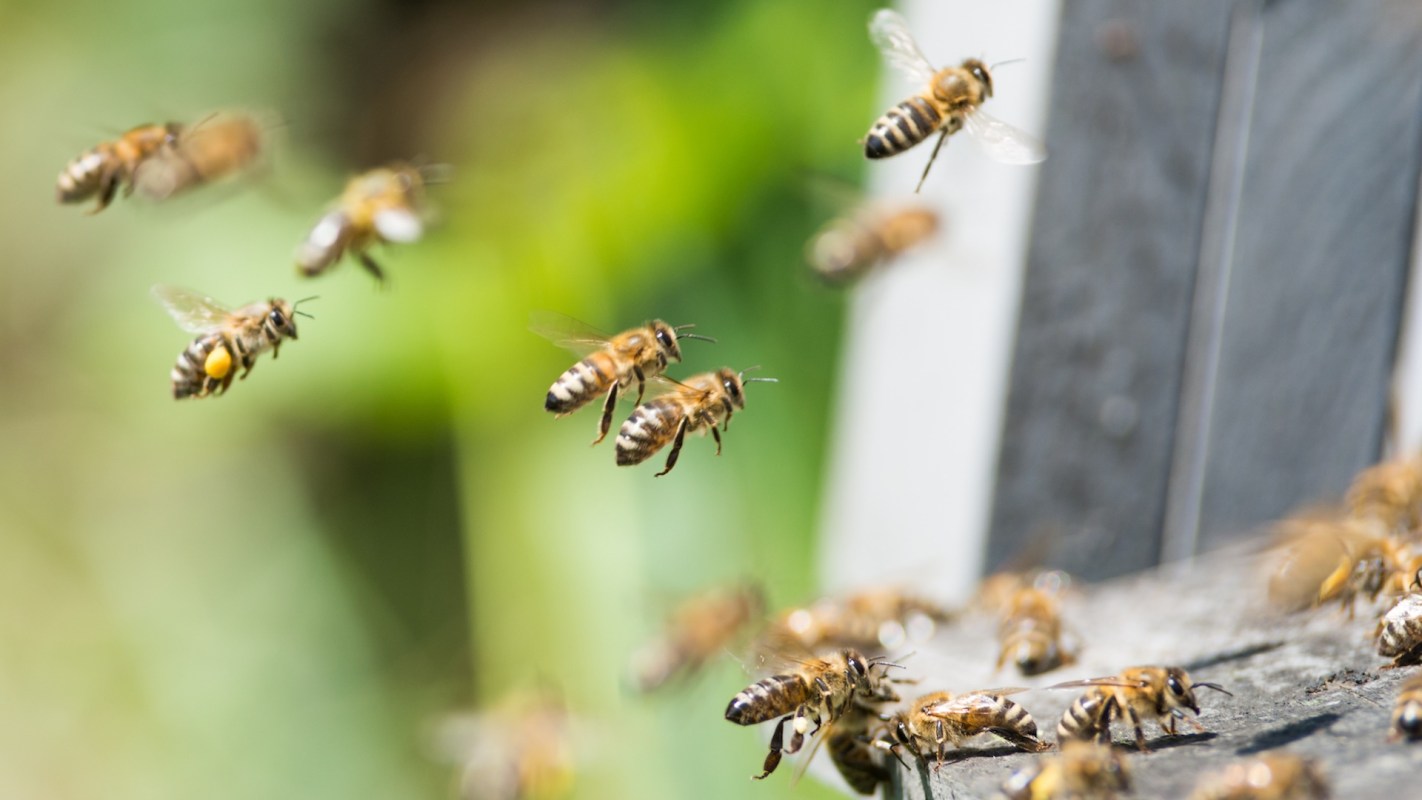
Two brutal weather patterns have obliterated honeybee populations in Florida, according to WPEC.
What's happening?
A Florida cold snap, combined with a serious drought, has wreaked havoc on Black Hammock Bee Farms. Not only have the low temperatures forced their bees to burn through more sugar reserves than usual, but the drought has stopped flowers and other food-bearing plants from growing. This has forced managers to artificially feed their bees, incurring additional costs. Even then, Black Hammock lost about half of its colonies.
"It killed everything," said Beth Langlois, Black Hammock's head beekeeper, per CBS12. "Right now, we don't have any plants that are producing nectar, as well as plants that are producing pollen."
Why are bees important?
A lack of bees means a lot more than simply lower honey production. Bees play vital roles in agriculture. They are often pollinators on farms, enabling the growth of staple fruit, vegetable, nut, and oilseed crops. Roughly a third of global crop production depends on pollinators.
The forces endangering bee populations affect crops directly as well. Unseasonal cold snaps can destroy vast swathes of plants, while droughts routinely reduce agricultural yields.
These weather trends are borne from atmospheric pollution. As methane and carbon dioxide trap heat in the atmosphere, weather patterns are thrown into flux, delaying rainfall and preventing warm fronts from following historical trends. During the recent cold snap, hot air disrupted a polar vortex, pushing the cold air further south than usual.
What's being done about bees?
Black Hammock Bee Farms intends to keep putting in the work to recover from this rough season.
"The bees work hard for us," said Langlois, per CBS12. "So we're going to work harder for them."
To do your part in supporting pollinators, consider adding native plants to your yard. These provide much-needed food for bee populations that are routinely at risk.
|
Which of these savings plans for rooftop solar panels would be most appealing for you?
Click your choice to see results and earn rewards to spend on home upgrades. |
 Save $1,000 this year 💸
Get TCD's free newsletters for easy tips to save more, waste less, and make smarter choices — and earn up to $5,000 toward clean upgrades in TCD's exclusive Rewards Club.
TCD Picks » Quince Spotlight
💡These best-sellers from Quince deliver affordable, sustainable luxury for all




Cool Picks






